Press-Ons vs Acrylic vs Gel Nails
By Hijabi Bridal Team ·
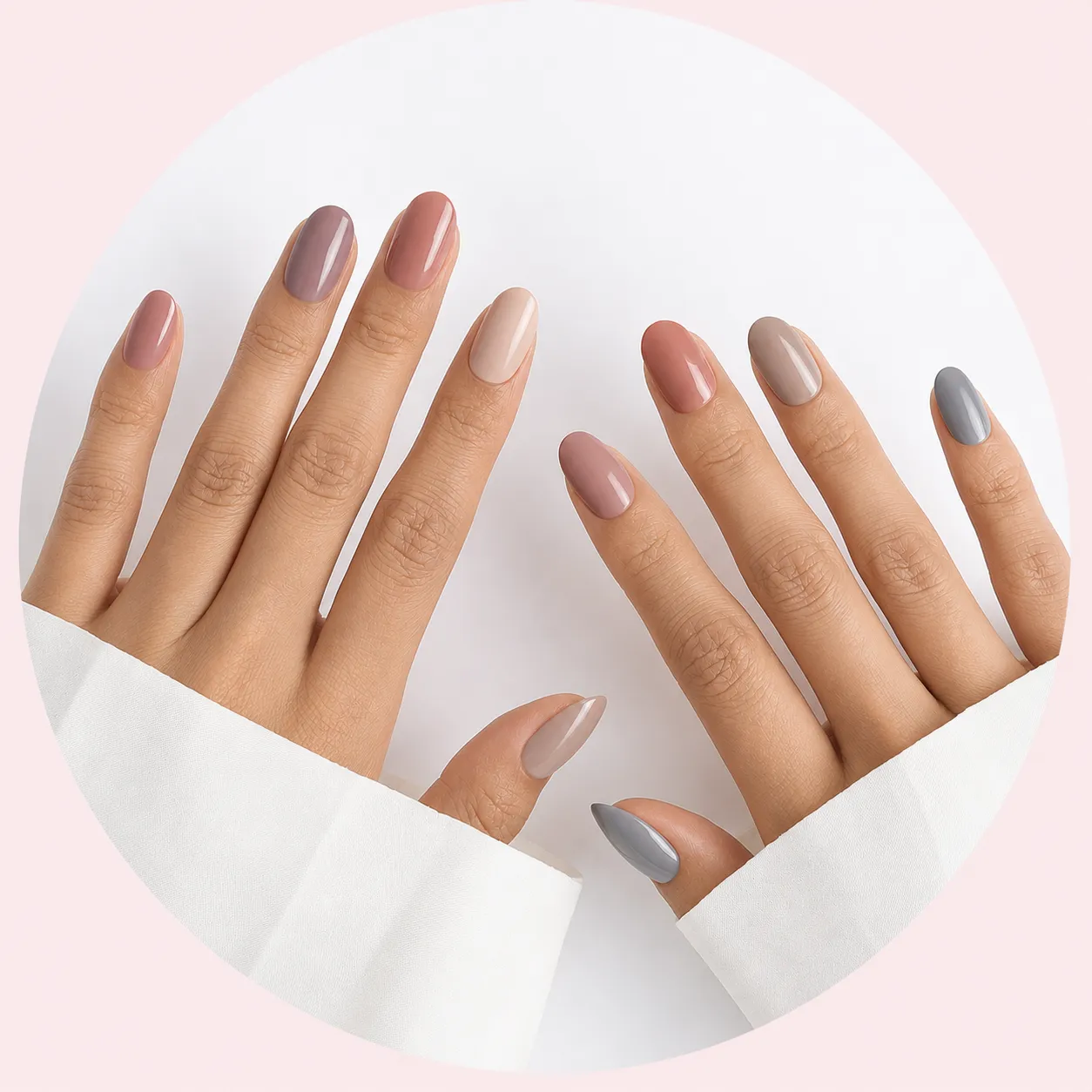
Press-on nails, acrylic nails and gel nails can all give you a polished manicure, but they're very different in cost, application time, durability and what they do to your natural nails. This guide compares the main nail types side by side, from nail strength and nail longevity to the removal process, so you can choose the right nail enhancement for your hands, your budget and your beauty routine. Whether you're searching for fake nails press on sets or press on acrylic nails, the same questions apply: nail cost, nail durability, the application process and how easily they come off.
What type of fake nails is best?
The best type of fake nails depends on what you want most. Here are the main nail enhancement options:
Press-on nails. Pre-made nails you apply at home with nail glue or adhesive tabs. They're the cheapest and quickest option, take about 10 minutes, and can be removed and reused. Best for flexibility and nail health.
Acrylic nails. Nail extensions sculpted at a nail salon from a liquid and powder mixture that hardens in the air. They're the strongest and longest-lasting, but need fills every two to three weeks and harsher removal.
Gel nails. Gel polish or gel extensions cured under a UV or LED lamp. They look glossy and natural and last two to three weeks, but removal needs an acetone soak.
Dipping powder. Colored powder layered over a base coat and sealed. Durable, but removal also requires soaking in acetone and some filing.
Stick on nails and nail wraps. Thin adhesive polish strips rather than true extensions. Quick and cheap with great color.
For most people who want to change their look often without nail damage, press-on nails are the best all-rounder. For maximum durability, acrylic nails win. For a glossy finish, gel is the favorite.
What are false nails called?
False nails go by many names: fake nails, artificial nails, nail extensions, nail enhancements and nail tips. Specific types are called acrylic nails, gel nails, gel extensions, dip powder nails, and press-on nails, which are also sold as stick on nails or glue-on nails. In the nail salon and cosmetology world, a nail technician will usually call them enhancements or extensions.
What exactly are acrylic nails?
Acrylic nails are artificial nails made by mixing a liquid monomer with a powder polymer. A nail technician brushes the mixture onto your natural nail, often over a plastic tip, where it hardens in the air into a tough, durable layer that's then filed and shaped. There are different types of acrylics, from clear and pink-and-white to colored powders used for nail art designs. The FDA notes that some people develop allergic reactions to the chemicals used in artificial nail products, which is one reason to read the warnings on nail care products; UK cosmetic rules follow similar principles.
Is gel or acrylic better for nails?
For the health of your natural nails, gel is usually gentler than acrylic, though neither is completely harmless. Gel is thinner and more flexible and needs less filing, while acrylic is thicker and usually needs heavier filing to apply and remove. Both require acetone to take off, and both can cause nail damage if they're picked off, pried off or removed in a rush.
If you're asking whether gel or acrylic is better for weak nails, gel is generally the kinder choice, and taking a break between sets helps even more. On acrylic nails vs gel nails, which is healthier: gel, by a small margin, as long as it's removed properly. The American Academy of Dermatology's guide to removing gel polish stresses soaking rather than picking or scraping, which is where most damage happens.
Which is better, gel nails or acrylic nails?
It depends on your priorities. Acrylic nails are stronger and better for long nail extensions, dramatic nail designs and people who are hard on their hands. Gel nails look more natural, feel lighter and flex with your nail, making them better for shorter nails and a glossy nail finish. On cost, gel polish is often cheaper per visit, while acrylic sets and regular fills add up over time at salons.
Why do people get acrylic nails instead of gel?
People choose acrylic nails for durability, length and style. Acrylic holds up to long lengths and dramatic styles without breaking, lasts longer between salon appointments, and is easy for nail technicians to repair with fills. It's also a long-standing favorite for nail art trends that need a strong base.
Does acrylic damage your nails more than gel?
Usually, yes. Acrylic application involves roughing up the nail surface, and removal means a long acetone soak plus filing, which can leave nails thin, peeling and weak. Lifted acrylics can also trap moisture underneath, raising the risk of nail fungus and other nail health risks. Gel can damage nails too, especially when it's peeled off, but done carefully it's generally the gentler of the two.
Are press-on nails or acrylics better?
For most people, press-on nails are better for everyday life, and acrylics are better for long-lasting, long-length looks. Press-ons cost a fraction of a salon set, take minutes at home instead of an hour in the chair, and come off without acetone when you use adhesive tabs. Acrylics last two to three weeks and handle long lengths, but they need salon services and nail salon services for fills, plus harsher removal. The two nail application methods couldn't be more different: at-home nail application in minutes versus a sculpted salon set.
Here's how they compare on the things that matter most:
Cost: press-on kits cost far less than a salon set, and reusable ones cost even less per wear.
Application time: about 10 minutes for press-ons versus 45 to 90 minutes for acrylics.
Durability: acrylics win, lasting weeks; press-ons last days with tabs and longer with nail glue.
Removal method: press-ons on tabs come off after massaging with lotion or oil; acrylics need acetone soaking and filing. See our guide on how to remove press on nails.
Nail health: press-ons on tabs cause the least nail damage.
Can you press-on acrylic nails?
Yes. Many press-on nails are made from acrylic, others from ABS plastic. Acrylic press-ons are simply pre-made acrylic nails that you apply at home. Some are handmade in custom designs; others come in ready-to-wear sets. The difference from salon acrylics is the application method: press-ons attach with nail glue or adhesive, while salon acrylics are sculpted directly onto your nail. That makes press-ons much easier to remove and reuse.
How long does acrylic press-on nails last?
Acrylic press-on nails last one to two weeks with nail glue, and a few days with adhesive tabs, where many women get four or five days of wear. The nails themselves can be reused many times if you remove them gently. Adhesive strength, nail prep and fit make the biggest difference; our guide to adhesive nail tabs covers how to get the most wear.
What is the healthiest fake nail option?
The healthiest fake nail option is press-on nails applied with adhesive tabs. There's no filing of the nail surface, no UV lamp, no primer, and no acetone soak to remove them, so your natural nails stay strong between wears. That's a real nail health benefit over salon enhancements, which all involve some filing, curing or acetone.
Whatever you choose, give your nails regular breaks and follow basic nail care tips. Dermatologists' tips for healthy nails recommend keeping nails clean, dry and trimmed, rounding them slightly at the tips for strength, and not cutting your cuticles.
Are press-on fake nails bad for your nails?
Not when they're applied and removed properly. Press-on nails sit on top of your natural nail without bonding into it the way salon acrylics do, so there's less risk of damage. Problems come from liquid nail glue removed in a hurry, which can peel layers off your nail, or from wearing the same set for weeks without a break. Nail repair services at a salon can help with badly peeling nails. Using adhesive tabs and removing nails with lotion or a warm soak keeps press-ons nail-friendly and makes at-home nail care simple. If damage does happen, nail repair is mostly time, moisture and gentle care.
Press-ons fit neatly into modern beauty trends. US and UK beauty standards increasingly favor short, natural-looking nails, and across nail fashion and nail fashion trends, at-home application has become a genuine alternative to salon visits. Whatever the US and UK nail industry statistics say about salon spending, more people are building at home nail kits into their manicure and pedicure routines, buying from beauty supply stores and online, and practicing DIY beauty at their own pace. Even cosmetology schools and beauty salons now treat press-ons as a real service rather than a shortcut.
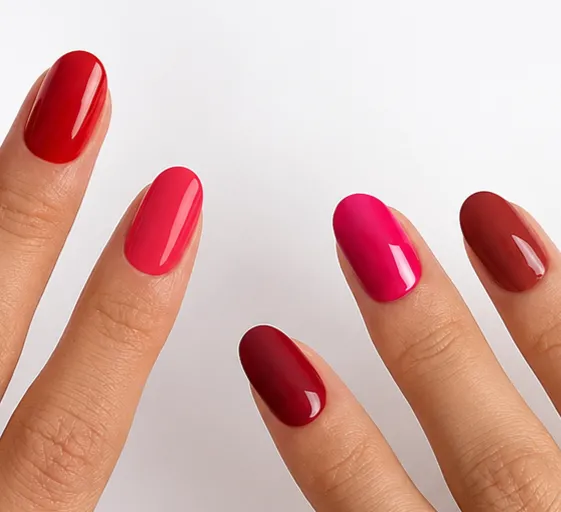
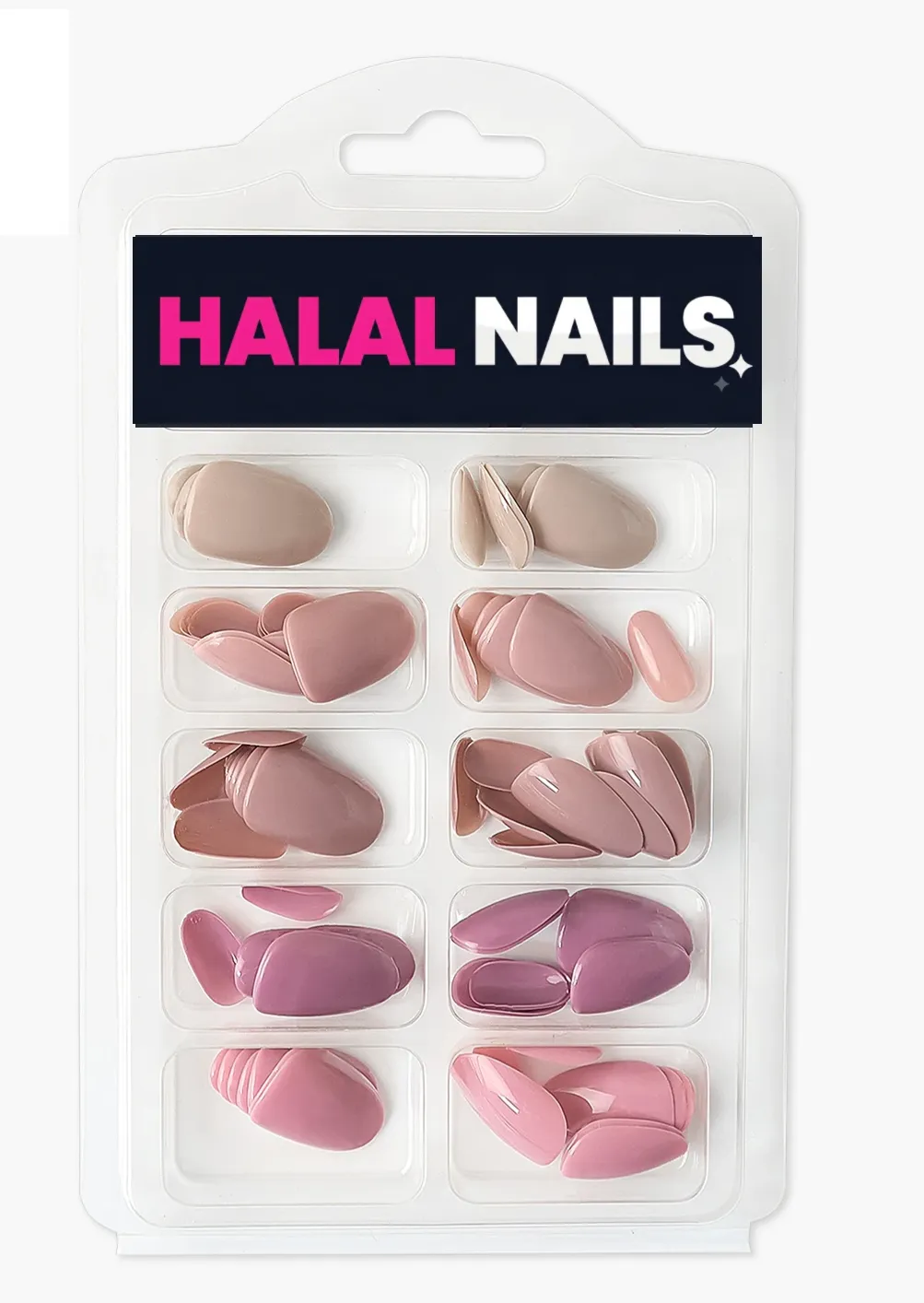
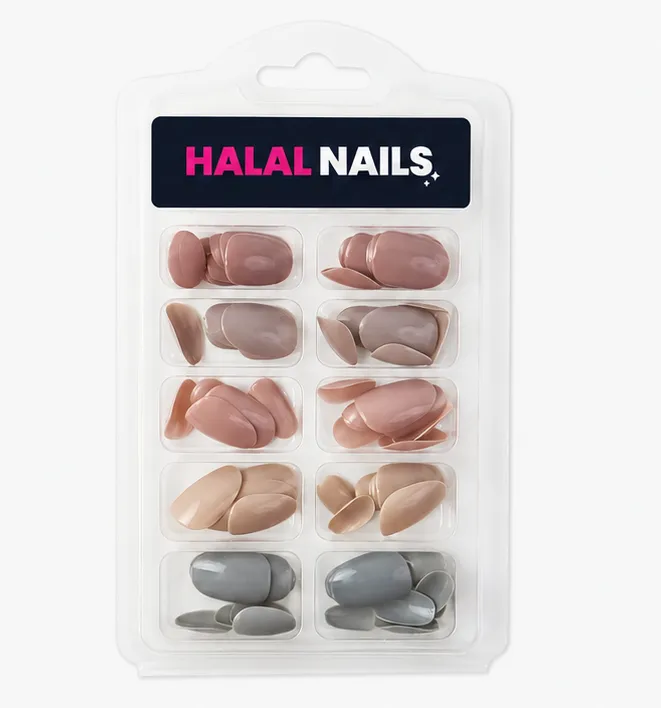
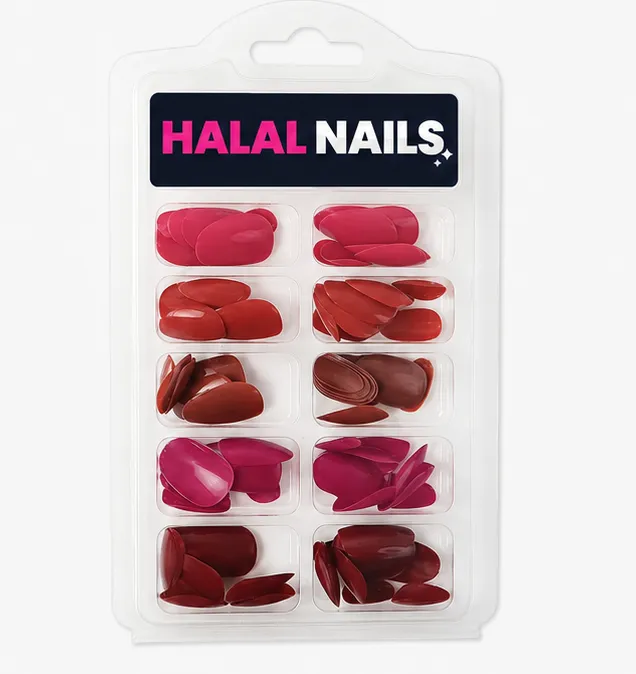
If you like short, natural styles, our short press on nails guide covers the best colors for 2026. For nail care routines, nail maintenance and nail application tips. Our Halal Nails kits in Pink Neutrals, Cool Neutrals and Autumn Berries come with glue tabs included, in a range of nail polish finishes that suit your preferred nail design and color.
Frequently Asked Questions
What's the best fake press-on nails?
The best press-on nails fit your nail width, are thin at the cuticle for a natural look, and come with a gentle adhesive like tabs so you can reuse them. Short, oval sets are the easiest to wear every day.
What are the best fake nails to buy?
For home use, the best fake nails to buy are a press-on kit with multiple sizes and adhesive tabs included. You'll get a salon-style look for far less, with no nail damage and nails you can wear again.
How long do press-on nails usually last?
Press-on nails usually last a few days with adhesive tabs and one to two weeks with nail glue. The nails themselves can be reused many times when you remove them gently.