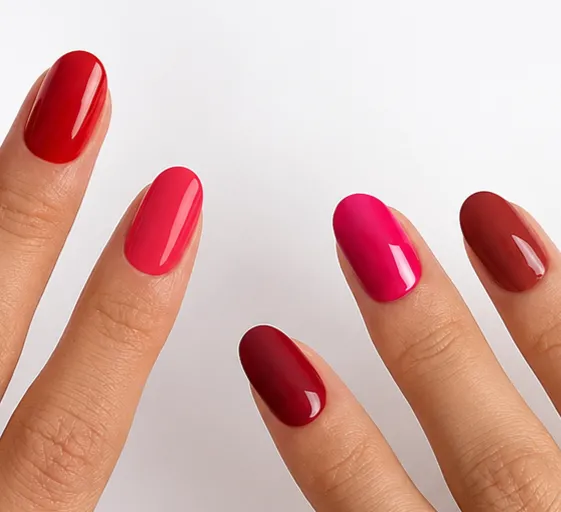
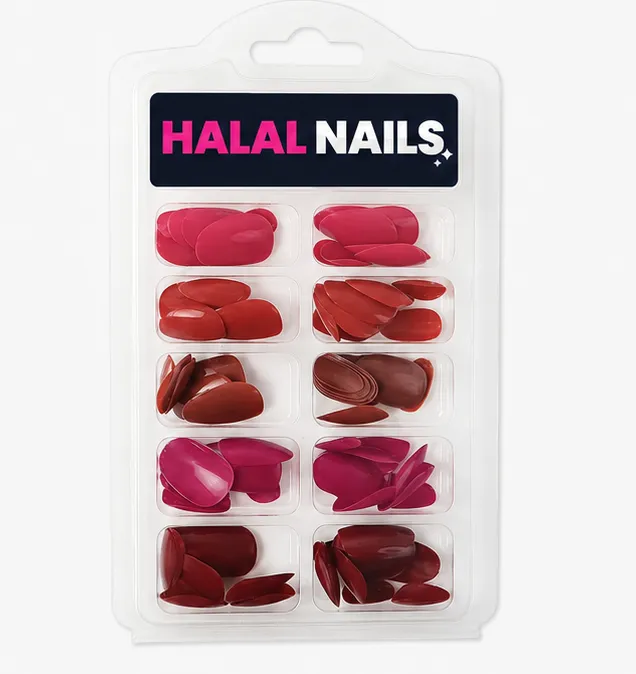
Fuschia Collection
Is rani pink a good bridal color?
Yes — rani pink is an excellent bridal color, and its cultural significance in Indian Pakistani wedding traditions makes it far more than just an aesthetic choice. The word rani means queen in Hindi and Urdu, and the color commands exactly that kind of bridal authority: saturated, warm, and unmistakably festive. As a wedding color in the American Muslim community, rani pink has become one of the strongest alternatives to red — a fashion trend that honors traditional dress while giving Muslim brides a genuinely personal and modern bridal color palette inspiration to build from. Everything in this collection, from lehengas and shararas through mother of the bride outfits, is curated for the fuschia bride. READ MORE BELOW...
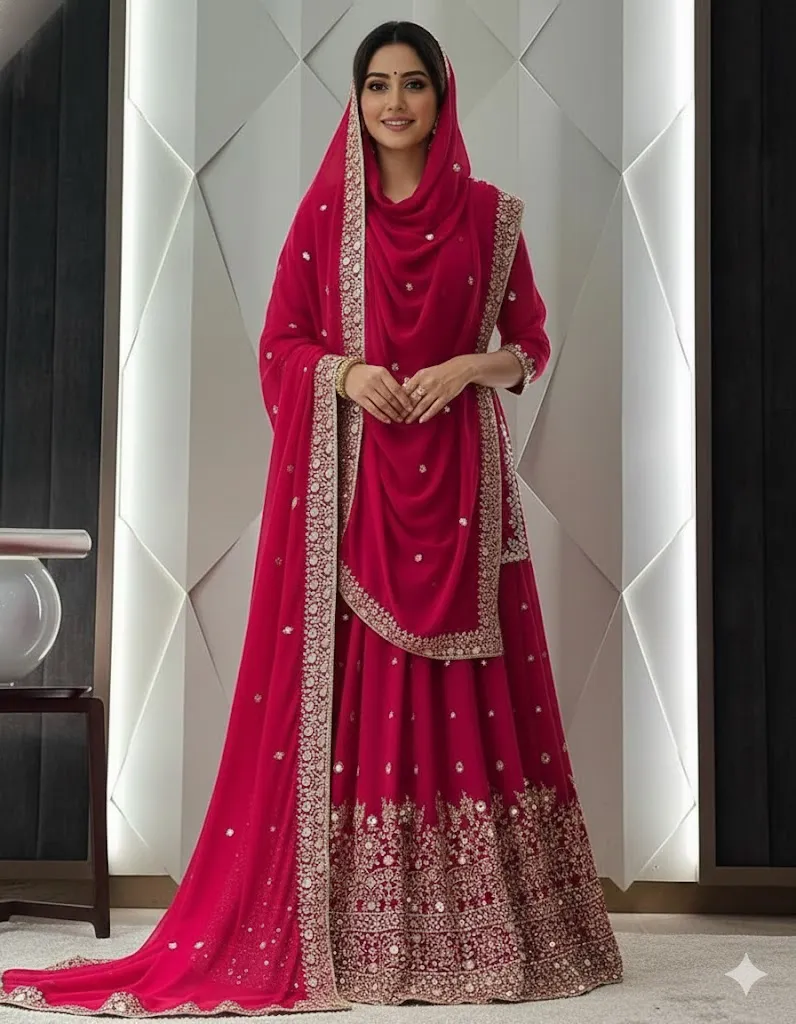
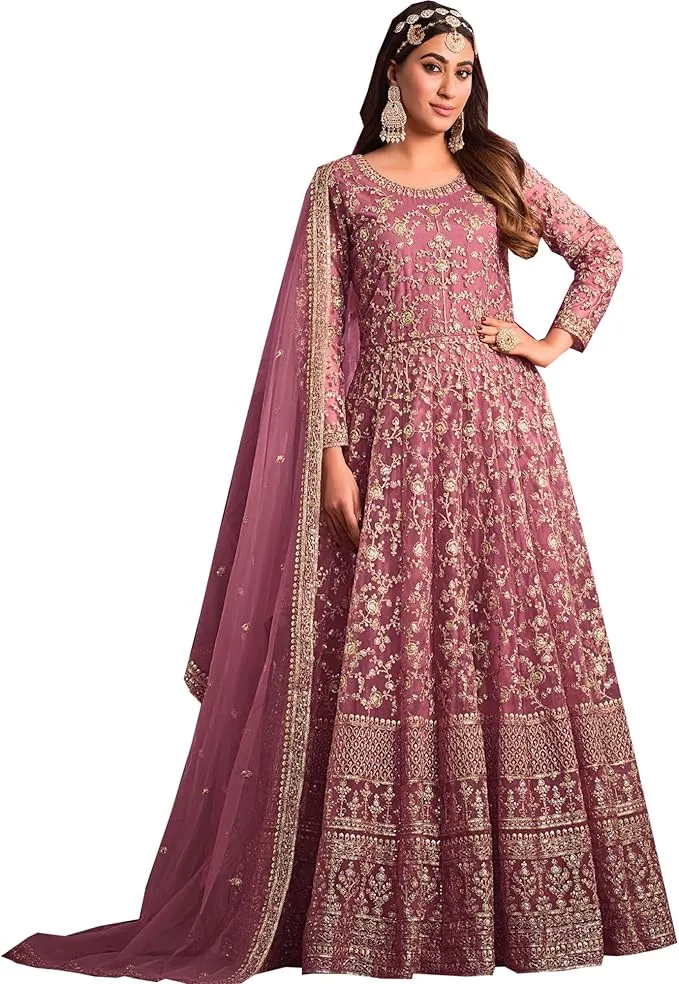
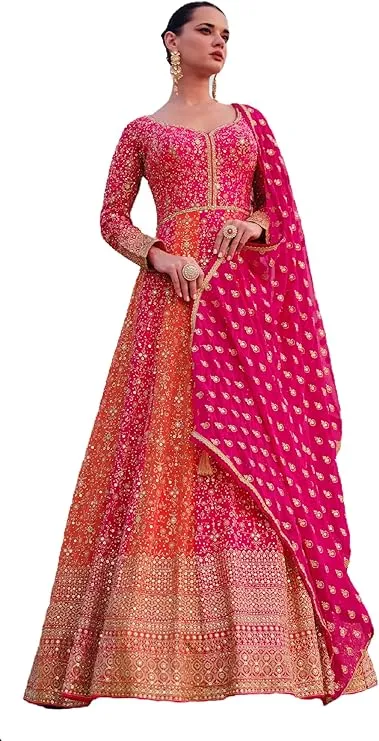
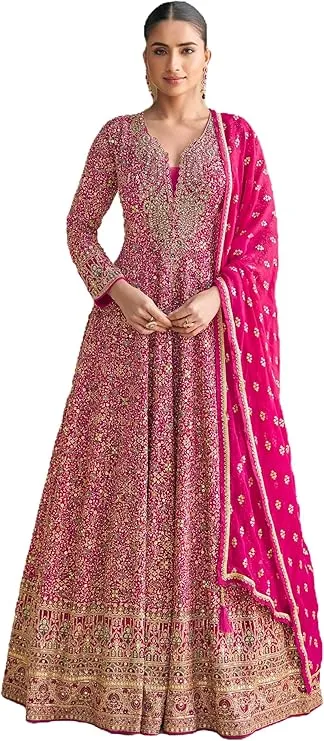
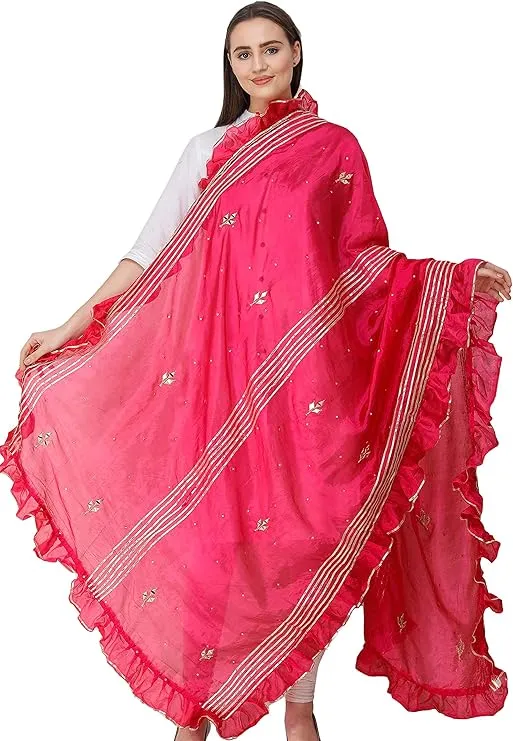
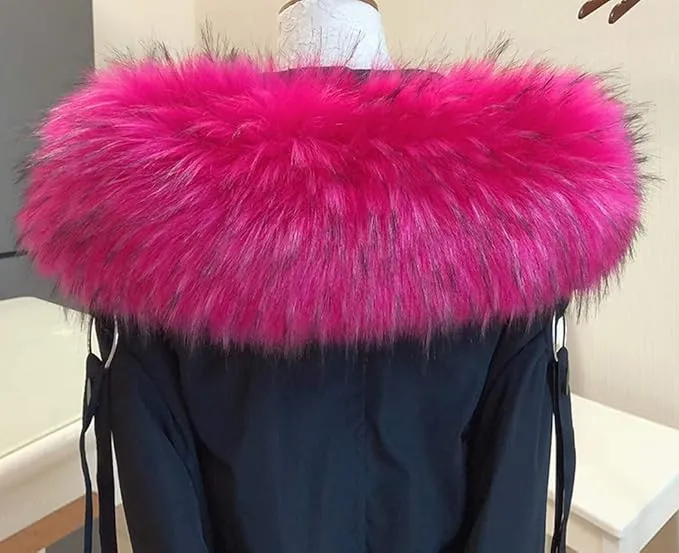
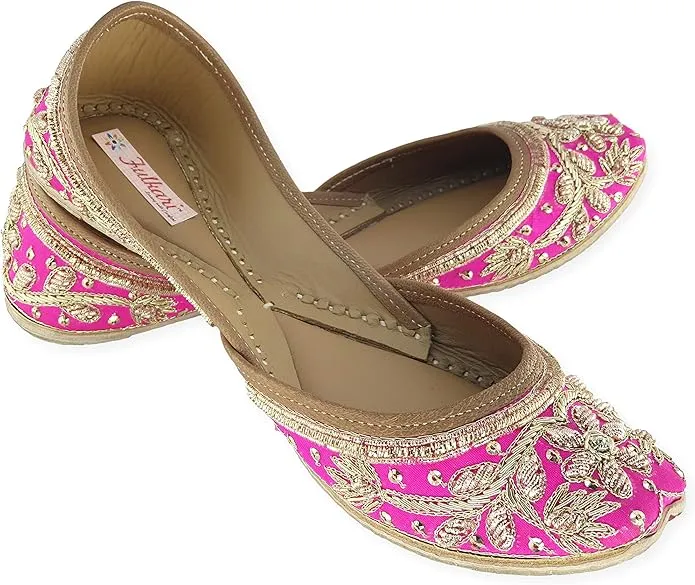
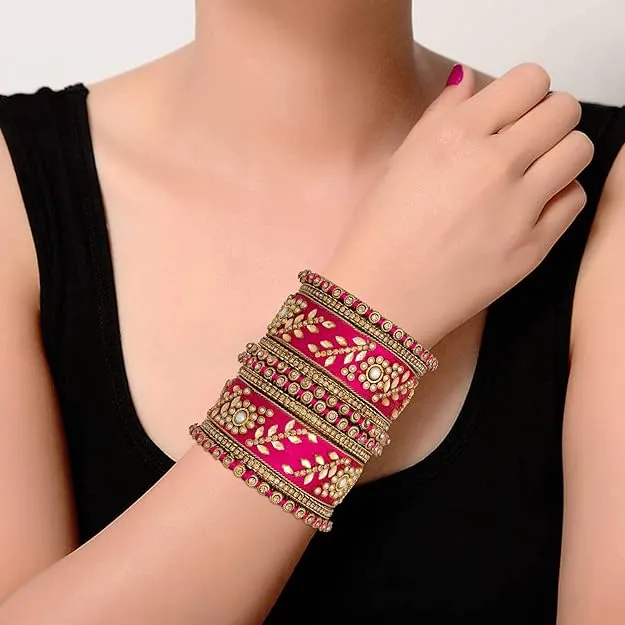
Is Rani Pink a Good Bridal Color?
Yes — and the cultural significance behind the color makes the answer even clearer. Rani pink takes its name from the Hindi and Urdu word for queen, and it carries that bridal authority visually: a deep, saturated pink with magenta undertones that reads as ceremonially serious rather than playfully soft. In Indian Pakistani wedding traditions, rani pink has functioned as a traditional dress color for generations — worn by brides who wanted the celebratory warmth of red with a color that flatters a wider range of skin tones and feels distinctly their own. For Muslim bridal fashion in the US, that combination of cultural significance and personal expressiveness is exactly what has made rani pink one of the defining wedding colors of 2026.
As a fashion trend in bridal fashion USA, rani pink has grown steadily in visibility over the past several years, driven by South Asian influencers, wedding photographers, and second-generation brides in the American Muslim community who are building bridal looks that honor their heritage without being constrained by it. The result is a bridal color palette inspiration that sits comfortably between tradition and modernity — rich enough to photograph with the depth and presence of a traditional dress color, modern enough to feel current and intentional rather than obligatory. Rani pink muslim bridal attire in lehenga, sharara, and anarkali silhouettes all benefit from the color's natural relationship with gold embroidery, which makes it one of the easiest bridal colors to accessorize cohesively.
From a wedding planning tips perspective, rani pink is also one of the most practical bridal color choices available. It performs consistently well across a wide range of venue lighting conditions — from the warm artificial light of a banquet hall to the cooler daylight of an outdoor nikah ceremony — because its saturation holds rather than washing out under varied light. Gold jewelry coordinates naturally, ivory and champagne accessories create elegant contrast, and the color reads beautifully in every type of wedding photography from editorial to candid. For Muslim bridal attire specifically, where the silhouette typically includes a dupatta styled over the hijab, rani pink's depth ensures that the full look — from headcover to hem — registers as unified and intentional in every photograph.
Can You Wear Pink to a Muslim Wedding?
Yes — and the reason becomes simple once you understand what the Islamic dress code actually governs. Islamic dress requirements address modesty, coverage, and fabric opacity; they do not prescribe or prohibit specific colors. A bride in rani pink attire who is fully covered, wearing a hijab, and dressed in a non-form-fitting silhouette is in complete accordance with Islamic dress code. The assumption that a Muslim bride must wear red is a cultural norm, not a religious rule — and one that has been evolving steadily as rani pink muslim bridal fashion has grown in confidence and visibility across the American Muslim community. Pink at a Muslim wedding is not a departure from tradition; it is an expression of the breadth within it.
Within South Asian culture specifically, pink has a well-established place in the wedding etiquette of both Pakistani American traditions and Indian American community celebrations. In many families, pink is the color of the henna night — the pre-wedding celebration where the bride wears something festive and personal before the formality of the nikah. Over time, as cultural sensitivity to individual expression has grown within the US Muslim community, rani pink muslim bridal attire has migrated from the henna night into the nikah ceremony and the walima reception with increasing frequency. This shift reflects the same evolution happening across Muslim wedding customs in America: a gradual, community-driven loosening of prescriptive color conventions in favor of choices that feel genuinely meaningful to the bride.
For brides navigating interfaith marriages or multicultural family dynamics, rani pink attire is often the most diplomatically effective color choice available. Unlike red, it carries no strong exclusive cultural associations that might create friction across different family backgrounds, yet it is unmistakably festive and bridal. Bridal fashion in Middle Eastern wedding customs leans toward ivory and champagne for the main ceremony — but across all of these traditions, pink creates no conflict and requires no justification. Wedding etiquette at Muslim weddings generally asks guests to avoid white and red, which means a bride who chooses rani pink is also making a generous practical decision: she frees up the full warm color spectrum for her guests while keeping a color that is distinctly, unambiguously hers.
What Color Do Muslim Brides Usually Wear?
Muslim brides most commonly wear red — that is the most direct answer, and it reflects the cultural norms and Islamic customs of the largest Muslim bridal populations in the US. In Pakistani bridal wear and across South Asian weddings broadly, red has anchored the nikah ceremony and walima reception for generations. It carries associations with joy, love, and the formality of the occasion that go deep into traditional clothing history across the subcontinent, and it continues to dominate South Asian Muslim wedding photography in the US in 2026. But red is a cultural convention, not a religious requirement — and the fuller picture of what Muslim brides usually wear is considerably more diverse.
Indian wedding traditions show a wider accepted palette than Pakistani bridal wear, with green, mustard, and peach appearing regularly alongside red as fully legitimate nikah and walima colors. Middle Eastern Islamic customs favor ivory, champagne, and gold for the main ceremony, reflecting Gulf bridal fashion's influence on Arab American communities. In the US, where Muslim brides come from American, South Asian, Arab, West African, Turkish, and many other backgrounds, these cultural norms coexist and cross-pollinate — producing bridal dress choices that draw from more than one tradition at once. Asian fashion in the American Muslim community has normalized exactly that kind of layered cultural expression, and ethnic fashion trends in the US Muslim bridal market reflect it clearly.
Rani pink sits at a particularly powerful position within this landscape. Because it belongs to no single community exclusively, it resonates across all of them. Muslim brides from Pakistani backgrounds find it carries the warmth and vibrancy of red without its full traditional weight; Arab American brides find it more festive than ivory; brides navigating USA multicultural events find it legible and celebratory to guests of every background. Rani pink muslim bridal styling has become a genuine first choice — not a compromise — for Muslim brides who want a bridal dress color with real cultural significance and real personal meaning. Rani pink appears with increasing regularity alongside red as an equal, not a substitute.
Frequently Asked Questions
Is rani pink a good bridal color?
Yes. Rani pink carries deep cultural significance as a color of royalty, joy, and new beginnings. Its name means queen in Hindi and Urdu. It is one of the most celebrated bridal colors in Indian Pakistani wedding traditions. As a wedding color in the American Muslim community, it has become a leading fashion trend in rani pink muslim bridal styling — a bridal color palette inspiration that honors traditional dress while feeling fresh, modern, and distinctly personal. It photographs richly under event lighting, flatters a wide range of skin tones, and pairs naturally with gold embroidery and jewelry.
Can you wear pink to a Muslim wedding?
Yes. A Muslim bride in rani pink attire who is fully covered and wearing a hijab is dressed in complete accordance with Islamic customs. The Islamic dress code governs modesty and coverage, not color. Pink has a well-established place in South Asian culture and Pakistani American traditions as a bridal and pre-wedding color, and it has migrated into nikah ceremony and walima wear as cultural norms around bridal color have evolved in the American Muslim community. Wedding etiquette at Muslim weddings asks guests to avoid red and white — making rani pink one of the most practical and generous bridal color choices a Muslim bride can make.
What color do Muslim brides usually wear?
Muslim brides most commonly wear red, which has been the dominant bridal dress color in Pakistani bridal wear and South Asian weddings for generations. Green is traditional where it holds Islamic cultural significance; ivory and champagne are standard in Middle Eastern Islamic customs. In the US, cultural norms across the American Muslim community have broadened the accepted palette considerably — rani pink, blue, sage, and fuchsia are all widely worn at nikah ceremonies and walima receptions. Rani pink muslim bridal styling has become one of the strongest alternatives to red, offering the same bridal authority in traditional clothing with a color that feels genuinely personal.