Peach Collection
What color do Muslim brides usually wear?
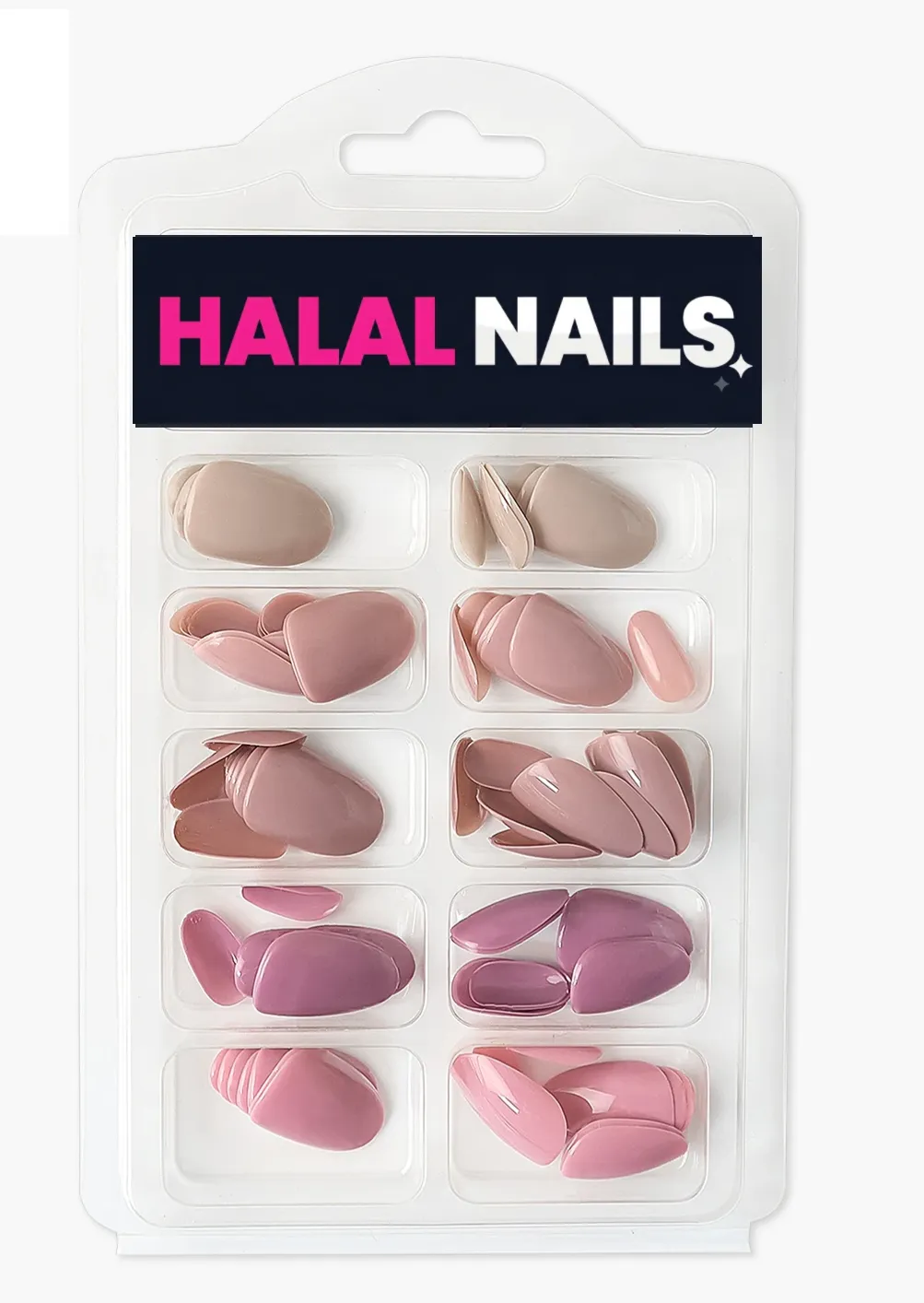
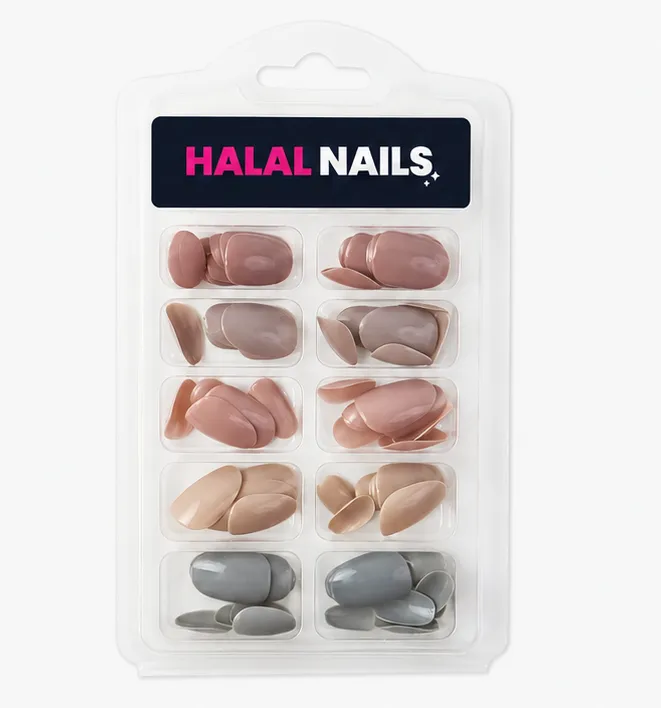
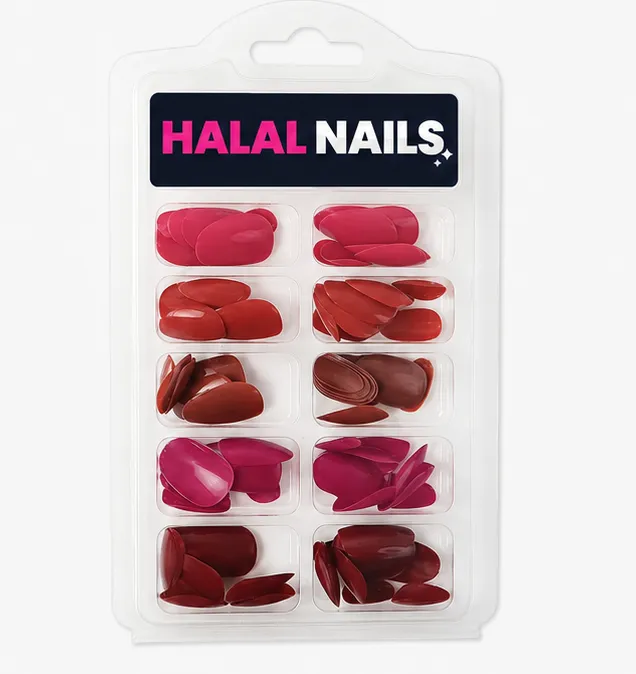
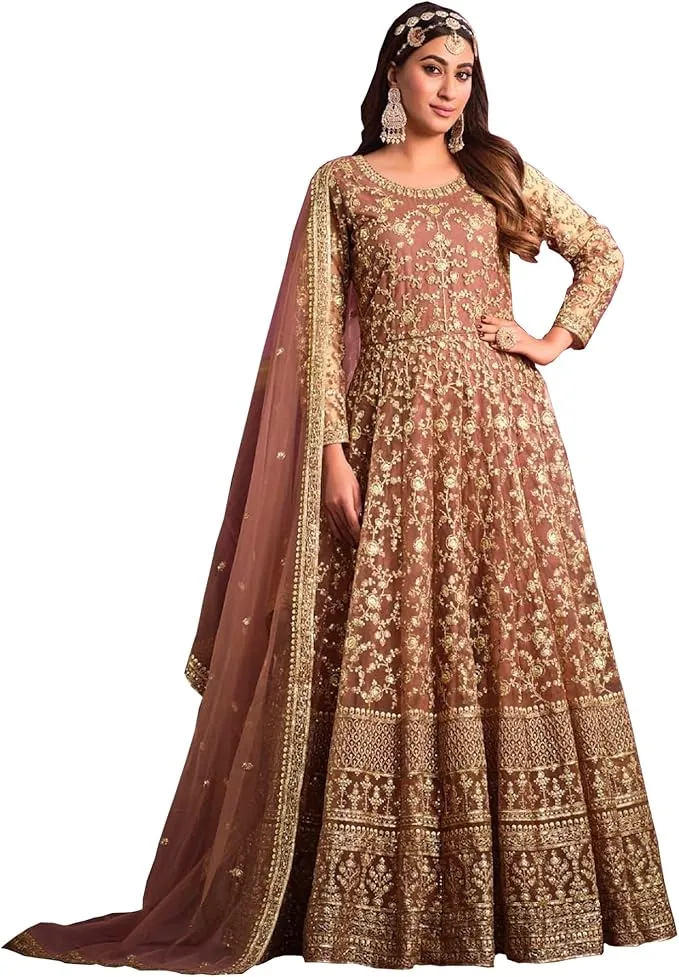
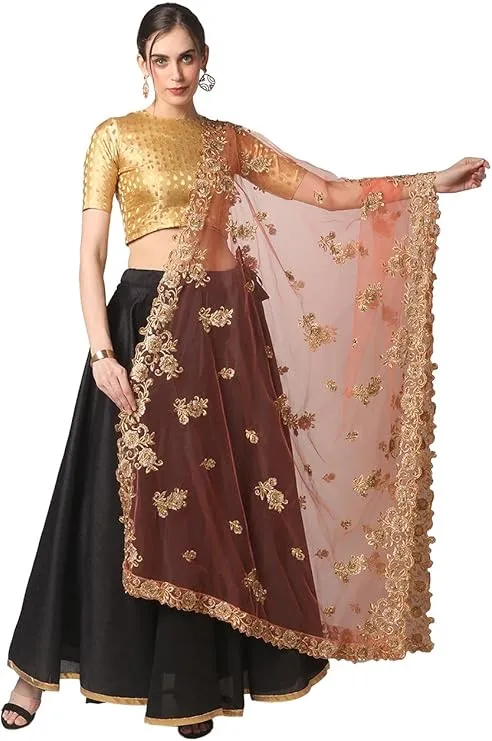
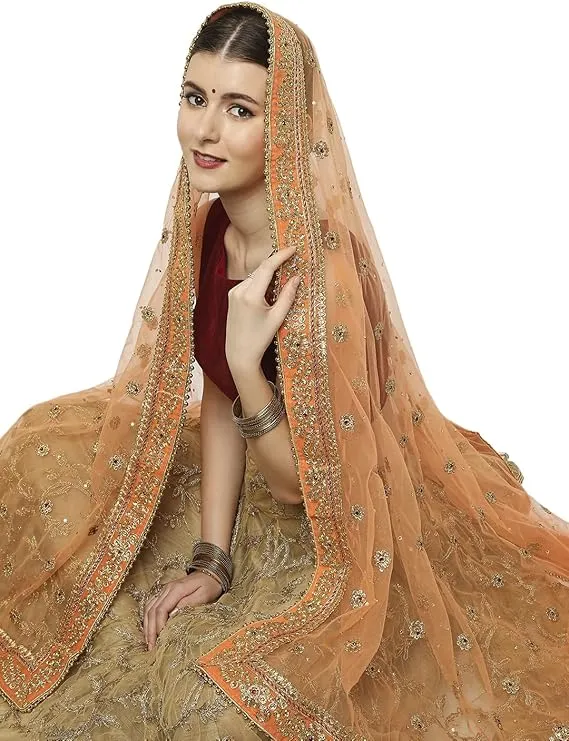
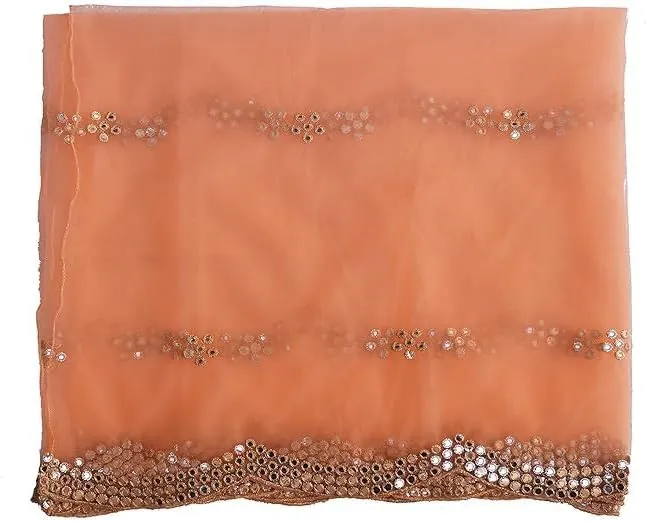
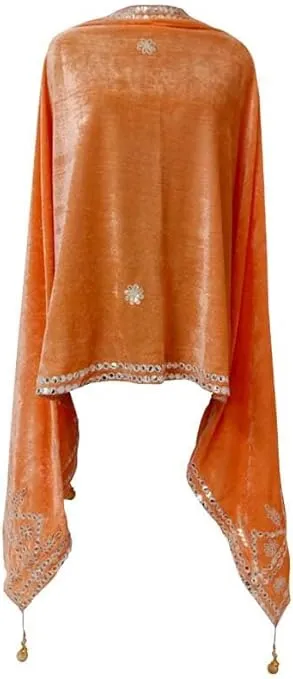
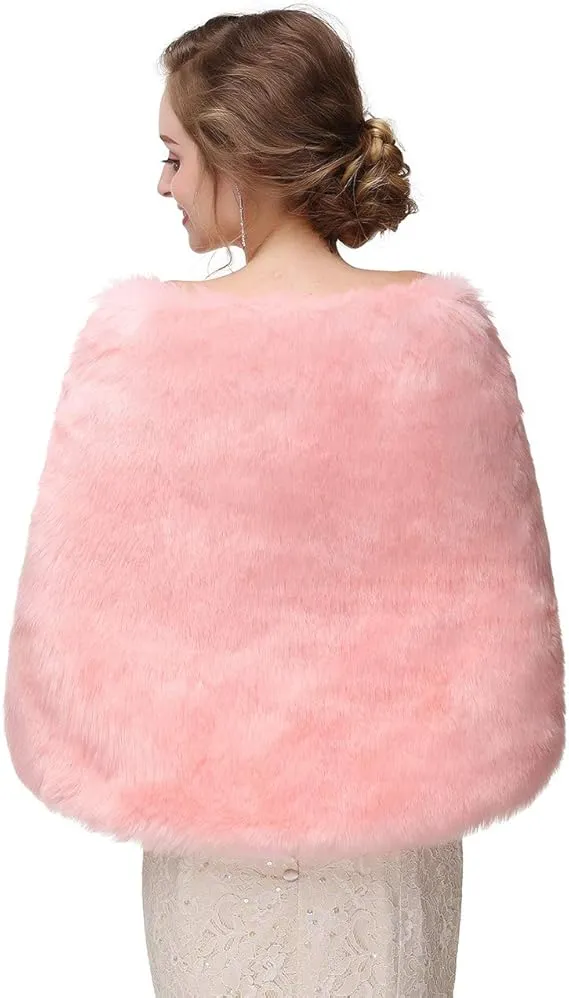
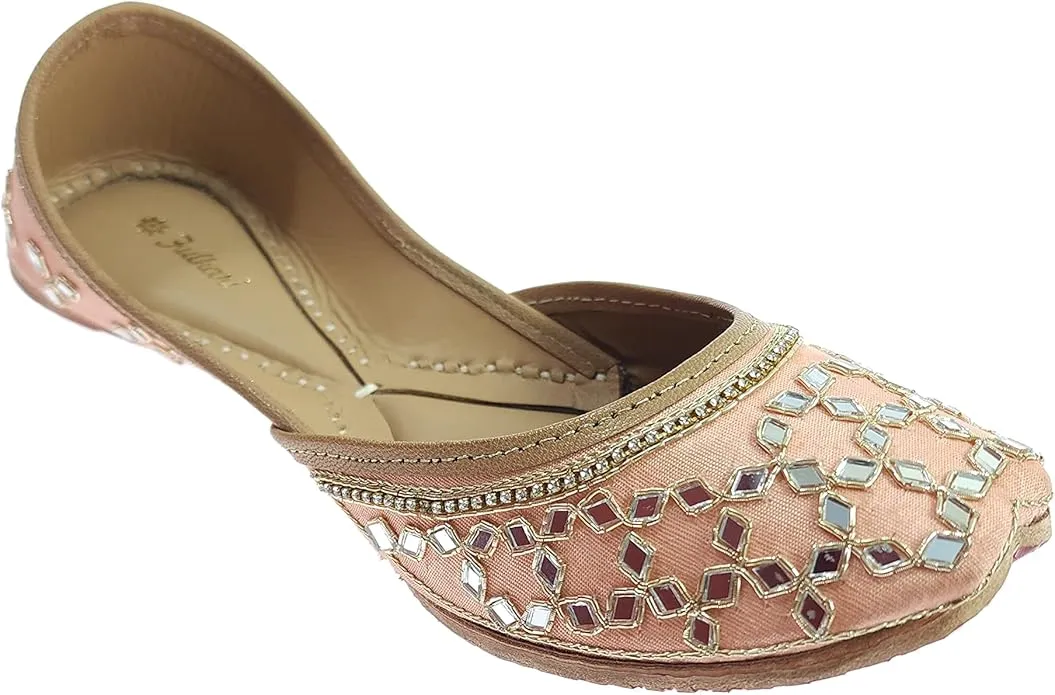
Brides today choose wedding colors across a wide spectrum — red for tradition, white for simplicity, and increasingly, soft romantic tones like peach for their color preferences at the nikah and walima. A peach Muslim bridal color is a refined, mature take on the more common pastel: pink. Peach carries the same femininity with a quieter elegance that photographs beautifully under both natural and indoor light. Our peach collection brings together juttis, dresses, sharara, dupattas, and halal nails — all available on Amazon with US shipping. READ MORE BELOW...
What Color Do Muslim Brides Usually Wear?
Color preferences in the US vary more widely than bridal media typically reflects. The dominant narrative is that the bride wears red or white. However, brides in the US choose from a broad palette shaped by personal taste and the specific event in the wedding sequence. Pastels are more commonly chosen for the walima ceremony, if not for the nikkah itself. But it is only part of the picture. Convert brides, Turkish-American brides, and West African brides each bring their own color preferences to the wedding, which is why the US Muslim bridal market has expanded well beyond red and white into champagne, blush, sage, and peach. Islamic wedding customs place no requirement on color — only on the modesty of the Islamic wedding dress — meaning the choice of peach, blush, or any other soft tone is fully consistent with the faith.
The wedding sequence itself influences color preferences significantly in Muslim Wedding Traditions. The nikah — the religious contract ceremony — tends to call for a more formal and ceremonially weighted color: red or white are most common in South Asian and Arab households respectively. The walima reception, which is a celebratory feast, allows more flexibility in bridal attire, and this is where softer tones like peach, champagne, and blush most naturally appear. US Muslim wedding culture has evolved a two- or three-outfit wedding sequence in which the nikah outfit and the walima outfit differ in both color and formality — a practice shaped by South Asian influences and adopted widely across the broader US Muslim community. Peach is particularly well-suited to the walima because it reads as celebratory without the full ceremonial weight of deep red — fully consistent with Islamic wedding customs, which require only modest coverage, not a specific color.
Interfaith weddings introduce an additional layer of color preference dynamics, and they also surface the wedding customs of multiple families simultaneously. When a Muslim groom marries in an interfaith setting — a context that is increasingly common in the US — the visual aesthetic of the wedding often blends the bride's cultural traditions with the expectations of the groom's family or the mixed guest list. In these settings, peach occupies a uniquely versatile position: it is culturally legible as a bridal color to Western guests who associate soft pink-adjacent tones with femininity and celebration, while remaining unfamiliar enough to read as distinctive rather than generic. A peach bridal attire choice at an interfaith wedding signals thought and intention — it is neither the default Western white nor the visually demanding South Asian red. Arab bridal trends similarly show a movement toward warmer pastels for these occasions, where the bride wants a look that honors her Islamic identity without requiring guests to interpret an unfamiliar color tradition.
Peach Muslim Bridal in 2026: Why Soft Tones Are Trending
This color shift in 2026 reflects a broader trend in Muslim wedding traditions toward colors that prioritize individual expression over cultural prescription. The growth of Amazon as a primary shopping destination for US brides has accelerated this shift: when brides can browse hundreds of options across every color without leaving home, they naturally discover that peach — a color rarely stocked in traditional South Asian boutiques — is available, affordable, and strikingly beautiful. Peach color has a particular quality in embroidered fabrics: the warm base tone makes gold and silver threadwork on bridal attire appear more luminous than it does on white or ivory, and it contrasts cleanly with red or ruby-toned nikkah jewelry in a way that makes the jewelry pop rather than blend.
A peach Islamic wedding dress works with gold or rose-gold accessories and nikkah jewelry because peach's warm undertone complements both metals — making it one of the most wearable and accessory-friendly choices in Muslim Wedding Traditions. As a wedding customs choice for the walima in particular, peach reads as festive without the full formality of red, which is exactly the tonal register many US brides want for the reception.
A peach anarkali is the most popular silhouette in this collection. The anarkali's flared, floor-length construction is inherently hijab-friendly and requires no modifications for modest coverage — it is Islamic wedding dress by construction, not by adaptation. In peach, the anarkali's fluid silhouette catches light in a way that heavier colors do not: the fabric appears almost illuminated at the hem and sleeves, creating a photographic quality that Muslim bridal fashion photographers consistently describe as one of the most flattering bridal looks across all skin tones. The peach color in this collection spans from soft apricot to deep coral, offering a range of warmth levels within the same color family.
Peach bridal attire in lehenga form is equally compelling. A peach lehenga — full embroidered skirt, long-sleeved blouse, and matching dupatta — styled with rose-gold nikkah jewelry creates a Bridal Couture-level look at an Amazon price point. The wedding customs surrounding lehenga styling in South Asian Muslim households are well-established: the dupatta is pinned to frame the face over the hijab, the jewelry layers from maang tikka to bangles, and the shoes are typically embroidered jutti. All of these elements are available in this collection in peach-compatible tones. A complete peach lehenga look — dress, dupatta, jutti — assembled from our collection represents extraordinary value relative to comparable boutique options.
Who Spent $500,000 on Their Wedding Dress?
The cultural influence of celebrity gowns on everyday bridal aesthetics is well-documented. High-End Fashion looks — even those priced at $500,000 for Kim Kardashian or Amal Clooney — generate silhouette trends, color trends, and embellishment trends that appear in mass-market dress within two to three seasons. The bridal aesthetic that defines luxury wedding fashion at the celebrity level is the same aesthetic that makes peach anarkalis and peach lehengas desirable: soft, warm, luminous tones that photograph beautifully were established as a luxury bridal reference by runway shows before they appeared in accessible bridal collections. Bridal couture at this level creates a visual vocabulary that filters through every price point, meaning the $60 peach anarkali on Amazon and the $500,000 celebrity gown share a design lineage, however distant.
Expensive vs. Accessible: What Peach Muslim Bridal Dresses Actually Cost on Amazon
The most expensive Muslim bridal looks in the world come from designer luxury ateliers in Dubai, Beirut, and London — and they are genuinely expensive. A custom luxury abaya-style bridal gown from a Middle Eastern designer house can cost $5,000 to $50,000. A designer South Asian bridal lehenga from a luxury Pakistani or Indian bridal house — Elan, HSY, Manish Malhotra — can cost $3,000 to $20,000 before embellishment customization. These are luxury purchases that represent months of hand-embroidery and pattern work, and the expensive price reflects genuine craft. Celebrity weddings in the South Asian Muslim community frequently feature these luxury looks — Pakistani celebrity brides in particular wear expensive Elan or HSY bridal lehengas that become the aspirational reference for the season's Muslim Bridal Fashion.
Style copies have their place, as well. Our Amazon collections offer the same silhouettes — anarkali, lehenga, sharara, caftan — at a fraction of the expensive designer price. A peach anarkali on Amazon runs $60 to $120. A peach sharara set with embroidery runs $80 to $200. These are not premium pieces in the sense of hand-embroidered couture, but they are well-made, photograph beautifully, and fulfill the Islamic wedding dress requirements of full modest coverage with a quality of finish that reads as bridal fashion rather than costume. For brides doing wedding planning in the USA on a realistic budget, the Amazon peach collection makes a complete bridal look — dress, dupatta, jutti, halal nails — achievable for $250 to $350 total. That is not expensive by any measure that includes venue, catering, or photography in the wedding budget.
The cultural shift toward Amazon bridal shopping is itself a form of luxury democratization — a designer aesthetic at a non-designer price. US Muslim wedding culture has embraced Amazon for bridal shopping more rapidly than mainstream bridal culture, in part because the modest bridal category was underserved by traditional US bridal boutiques. An expensive lehenga from a designer boutique in New Jersey's South Asian fashion corridor might cost $2,000 to $5,000 for a comparable look to the $150 Amazon version. The difference is primarily in the hand-embroidery weight and the brand label — not in the silhouette, the color, or the modest coverage. For high-end fashion-conscious brides who want a couture look without the expensive price, the peach collection here represents the practical compromise that the market has normalized.
Peach Muslim Bridal and Cultural Exchange in the US
The peach Muslim bridal color is a product of cultural exchange in the USA between South Asian, Middle Eastern, and American bridal aesthetics. The peach color itself is not native to any single Muslim cultural tradition — it arrived in Muslim bridal fashion through the influence of American and European bridal color trends, filtered through the design sensibility of South Asian embroidered dress construction and Middle Eastern modest silhouettes. This cultural exchange is visible in how peach appears in the collection: the silhouettes are South Asian (anarkali, lehenga, sharara) and Middle Eastern (caftan, abaya-style gown), but the color belongs to no single cultural tradition. It is a bridal color that exists precisely because of cultural exchange — because brides in the US are exposed to both their family's cultural traditions and the broader American bridal aesthetic simultaneously.
Interfaith weddings have played a significant role in normalizing peach and other soft pastels as Muslim bridal colors. At these celebrations, brides often want a bridal color that respects the wedding customs of both sides of the family while reading as warm and celebratory to all guests — including those unfamiliar with South Asian or Middle Eastern bridal color traditions. Peach fulfills this requirement better than red (which can read as unconventional to Western guests) or white (which may feel too close to the default Western bridal aesthetic for brides who want to honor their cultural traditions). For these occasions, peach occupies the cultural middle ground: recognizably bridal in Western terms, softly distinctive in Muslim wedding tradition terms. Muslim brides planning interfaith weddings in the US have increasingly reported peach as their top color preference for exactly this reason.
The growth of peach as a Muslim bridal color also reflects the influence of designer trends on this segment of the bridal market. When expensive collections from Valentino, Elie Saab, and other luxury brands began featuring blush, peach, and apricot gowns as alternatives to white, those couture looks became aspirational references for fashion-forward brides. The deep investment that brides have always made in quality embroidery and bridal couture craftsmanship was redirected toward the peach palette as authority validated it. Middle Eastern wedding trends picked up this warm tone from European design traditions and translated them into modest silhouettes, and South Asian influences added the embroidery weight and jewelry coordination language that made it work as a complete Muslim bridal look. The result is the peach bridal category as it exists today: a fully formed bridal aesthetic with its own color logic, silhouette vocabulary, and accessory language — assembled from cultural exchange, designer influence, and the practical accessibility that Amazon makes possible.
Frequently Asked Questions
What color do Muslim brides usually wear?
Muslim brides in the US choose wedding colors based on their cultural traditions rather than any single Islamic requirement. Red is the dominant color in South Asian Muslim communities, driven by Pakistani and Indian wedding traditions. White is increasingly common for the nikah ceremony in Arab-American and convert Muslim households. Soft tones like peach, champagne, and blush are growing in popularity — particularly for the walima reception — because they offer a romantic, mature alternative to pink with strong color preferences across a wide range of skin tones. Islamic Wedding Customs place no restriction on color, only on the modesty of the Islamic wedding dress.
Who spent $500,000 on their wedding dress?
Several celebrity brides have worn wedding dresses valued at or near $500,000. Kim Kardashian's custom Givenchy wedding dress worn at her 2014 Florence wedding is among the most cited expensive designer bridal looks in recent Celebrity Weddings history. Amal Clooney's Oscar de la Renta gown at her 2014 Venice wedding is another frequently referenced luxury bridal couture example. These expensive designer wedding dresses set the visual vocabulary of bridal fashion that filters through every price point — including the accessible peach Muslim bridal collection available on Amazon.
Why is peach a good color for a nikah or walima?
Peach is an excellent color for a walima because it reads as celebratory and romantic without the full ceremonial weight of red — making it ideal for the reception register of the wedding sequence. For the nikah, peach works particularly well for brides who want a soft, distinctive color that is neither the conventional South Asian red nor the Western white. Peach color has a warm undertone that complements gold nikkah jewelry beautifully, and it photographs well under both natural and indoor lighting. As a color preference for Muslim brides who want something distinctive but universally flattering, peach is one of the strongest choices in the 2026 Muslim bridal palette.
What peach Muslim bridal styles are in this collection?
This peach collection includes peach anarkali wedding dresses, peach lehenga sets, peach sharara suits, peach caftan-style Islamic wedding dresses, peach bridal hijabs, peach dupattas, and coordinating accessories including rose-gold nikkah jewelry, peach jutti, and peach halal press-on nails. All peach Muslim bridal styles are hijab-friendly, modest in silhouette, and available on Amazon with US shipping at prices significantly below comparable designer bridal boutique options.
How much does peach Muslim bridal cost on Amazon?
Peach Muslim bridal on Amazon is far less expensive than comparable designer or boutique options. A peach anarkali runs $60 to $120; a peach lehenga set with embroidery runs $80 to $200. A complete peach bridal attire look — dress, hijab, dupatta, nikkah jewelry, jutti, and halal nails — can be assembled for $250 to $350 total. This compares to $2,000 to $20,000 for luxury designer equivalents from South Asian or Middle Eastern bridal houses, making the Amazon peach collection one of the most accessible options for Wedding Planning in the USA on a realistic budget.
Is peach an appropriate color for a Muslim wedding?
Yes. Islamic Wedding Customs place no restriction on the color of a wedding dress — only on the modesty of the wedding attire. A peach Islamic wedding dress that meets the requirements of full coverage — long sleeves, floor length, opaque fabric, hijab-friendly construction — is entirely appropriate for any Muslim wedding, from the nikah to the walima. Peach is particularly popular for interfaith weddings in the US, where its warm, universally legible bridal tone bridges cultural traditions across guest backgrounds.
How does peach compare to pink for Muslim bridal wear?
Peach is a more mature and romantic version of pink — warmer in undertone, more complex in its relationship with gold jewelry, and slightly more distinctive as a bridal color preference. While pink reads as playful and youthful, peach reads as elegant and considered. In Muslim Wedding Traditions, peach has gained ground as a walima and nikah color precisely because it offers the femininity of pink with the sophistication of a less common color. For Muslim brides who want something softer than red but more distinctive than white, peach is consistently one of the top color preferences in the US Muslim bridal market.