Silver Collection
Best silver color Muslim bridal for 2026 collection?
Silver is the most sophisticated and enduring bridal color in the 2026 Muslim bridal wear collection — a natural choice for the nikah ceremony and walimah reception because it carries the luminosity of white without its starkness, and the richness of gold without its warmth, making it universally flattering across every skin tone and age. READ MORE BELOW...
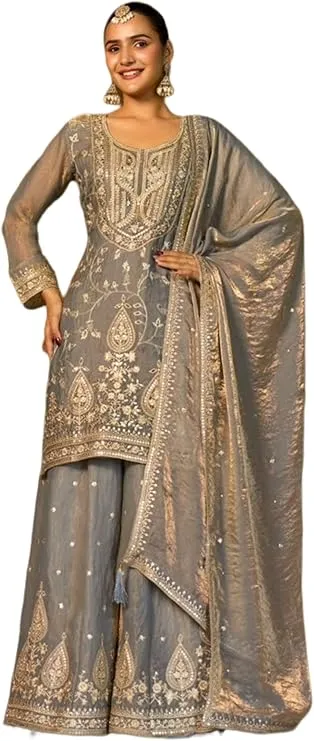
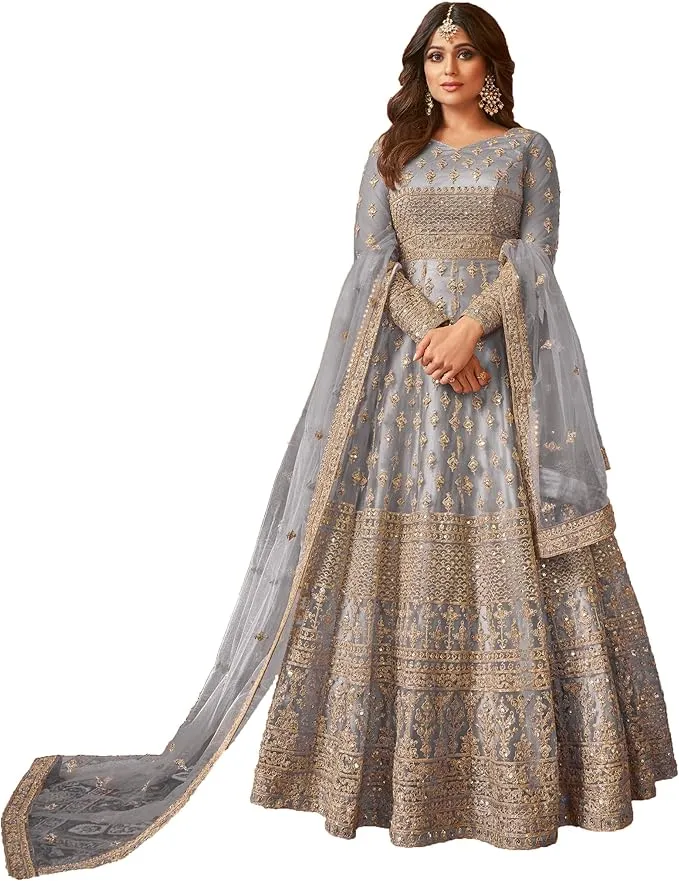
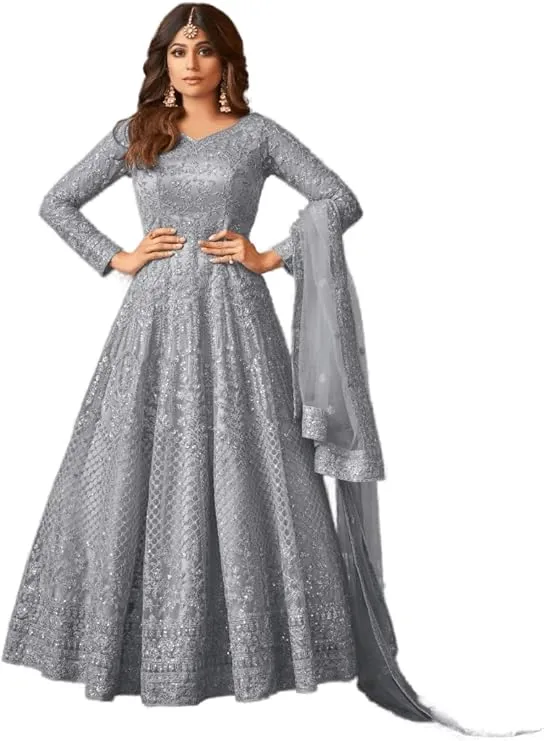
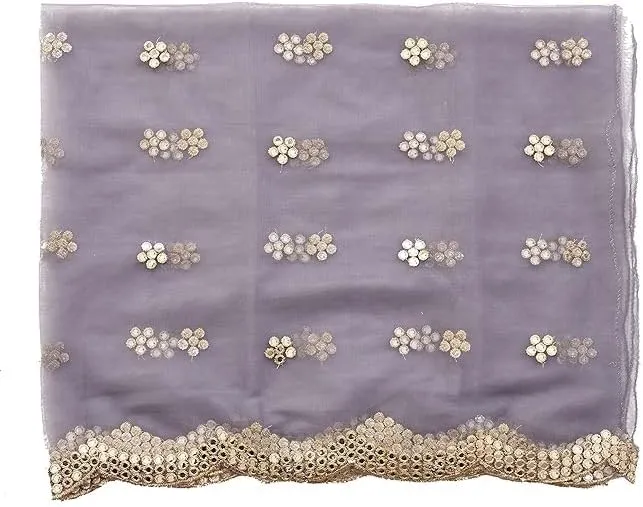
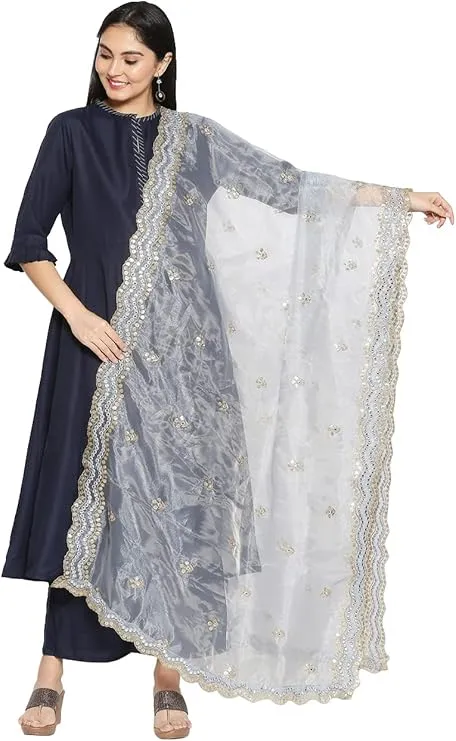
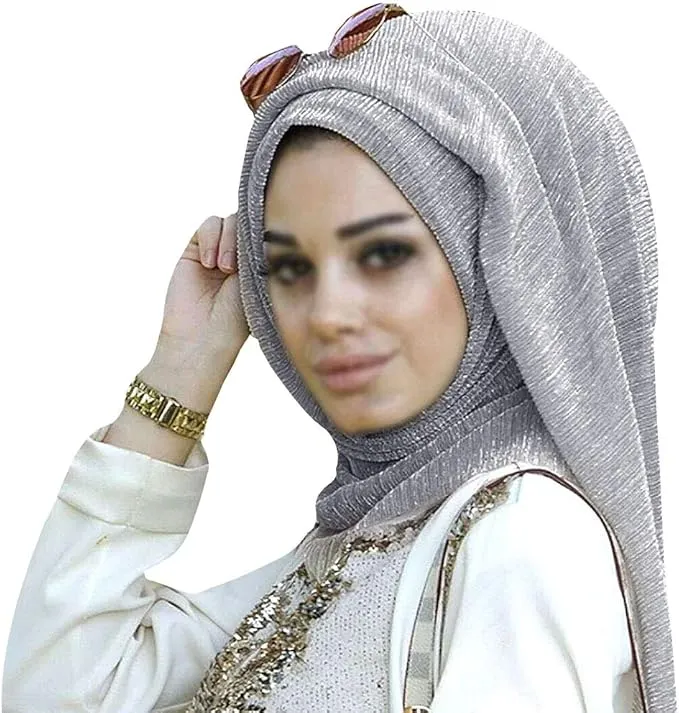
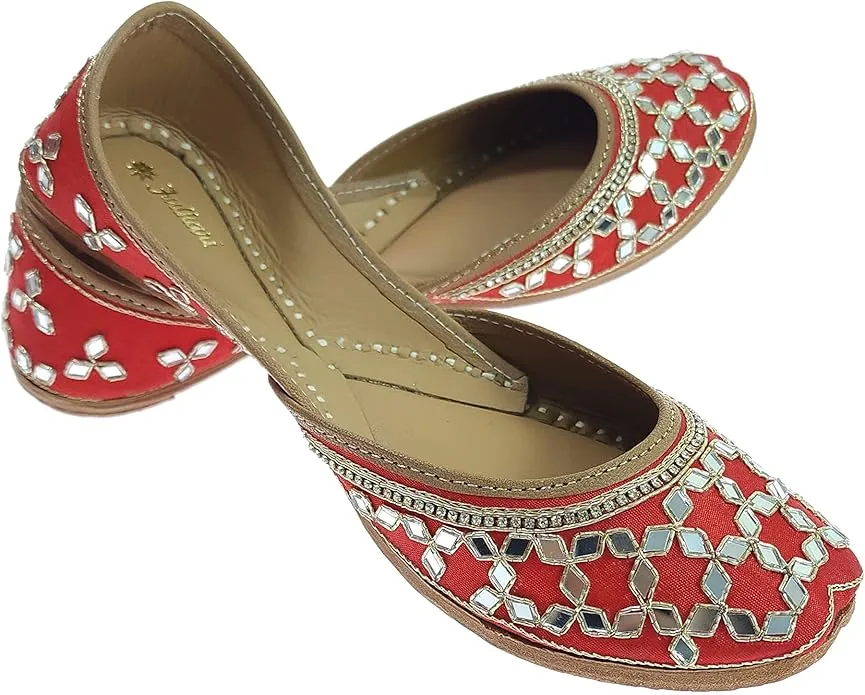
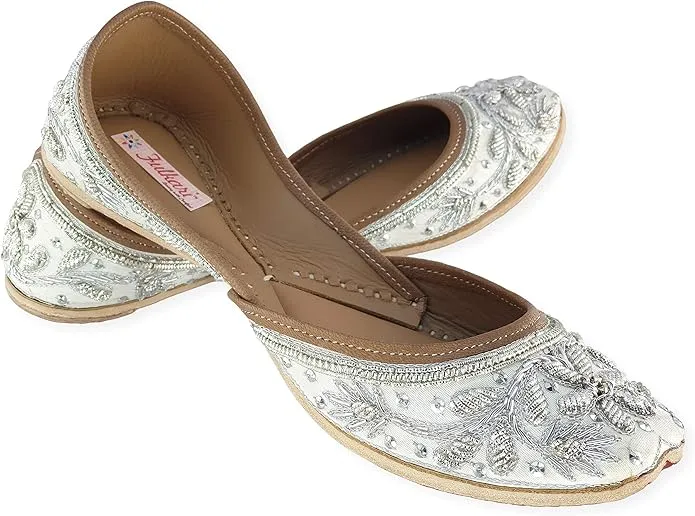
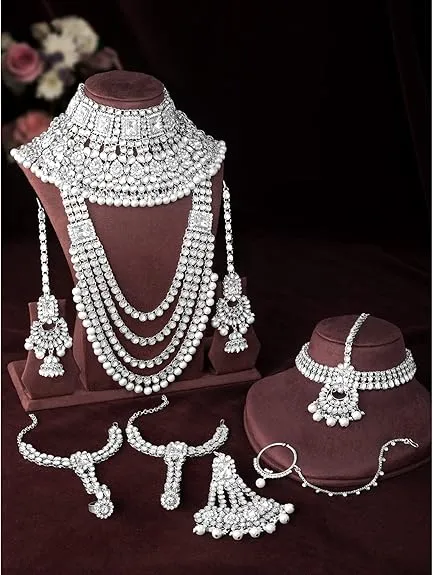
Best Silver Color Muslim Bridal for 2026 Collection
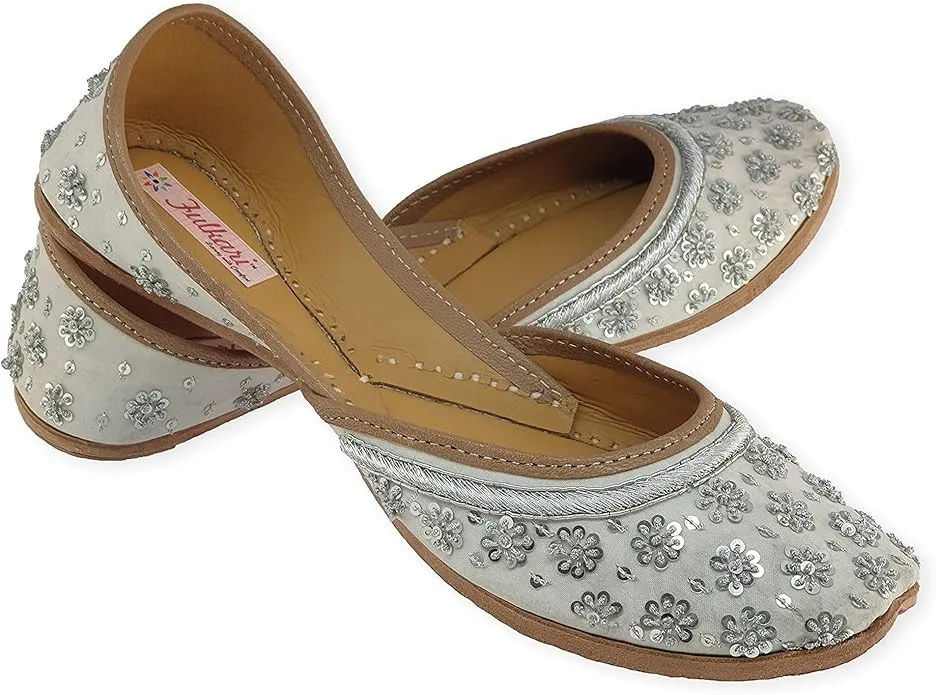
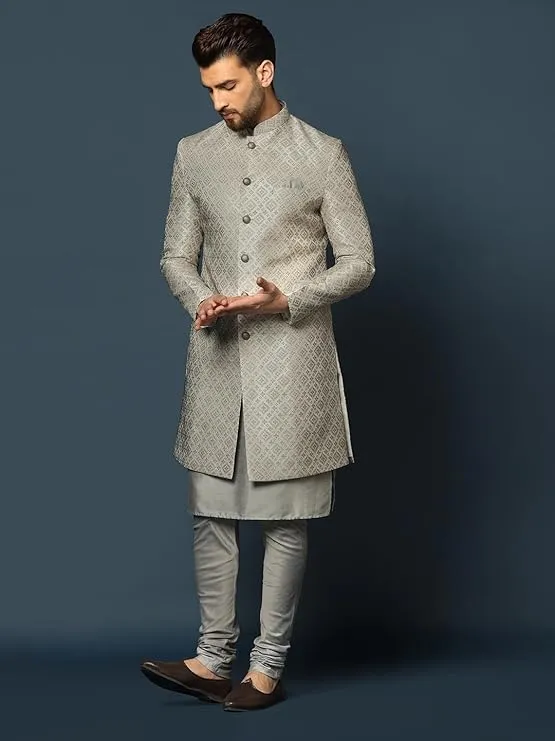
The best silver color Muslim bridal for 2026 collection spans every silhouette in the modest bridal wear repertoire — from heavily embroidered silver shararas and flowing silver bridal dresses to structured silver hijabs and delicate silver jutti. What unites them is the quality of the silver embroidery: in 2026, the strongest silver bridal wear designs feature multi-tonal silver thread work — combining bright silver, antique silver, and gunmetal tones in the same embroidery design — that creates depth and dimension against the base fabric in ways that single-tone silver embroidery cannot achieve.
Silver embroidery against a white or ivory in our White Collection or even our Champagne collection is the most classic silver Muslim bridal pairing — the foundation of the traditional Islamic wedding gown aesthetic across Middle Eastern fashion and South Asian culture alike. Silver embroidery against a forest green in our Green Collection is the more contemporary approach, creating a dramatic contrast that has emerged as one of the defining cultural trends 2026 in modest bridal wear. Both directions are well represented in Hijabi Bridal color collections, ensuring that brides at every point on the traditional-to-contemporary spectrum can find silver tones that genuinely suit them.
Islamic clothing stores and online shopping platforms have responded to the growing demand for silver Muslim bridal wear in the US by expanding their selections significantly in the 2026 wedding season. The Islamic wedding traditions that associate silver with purity, spiritual clarity, and blessed new beginnings have given the color a deep cultural resonance that goes beyond mere fashion design inspiration — for many Muslim brides, choosing silver is a deliberate nod to the spiritual dimension of the nikah ceremony itself. Bridal accessories in silver — nikkah jewelry sets, bridal dupattas and hijab, and embellished bridal belts — complete the silver Muslim bridal look with cohesion and intentionality that wedding planning for a silver bridal theme makes straightforward to achieve.
What Does a Muslim Bride Wear to Her Wedding?
A Muslim bride wears whatever reflects her faith, her cultural background, and her personal aesthetic — and the diversity of that answer is one of the most beautiful aspects of Islamic wedding traditions across the world. The non-negotiables are set by Islamic marriage ceremonies: the wedding attire must cover the body modestly, the fabric must not be transparent, and the silhouette must not be form-fitting in a way that defeats the purpose of coverage. Within those foundations, the specific garment, color, fabric, and embellishment are entirely personal — shaped by family tradition, cultural exchange in American weddings, and the bride's own vision for her most significant day.
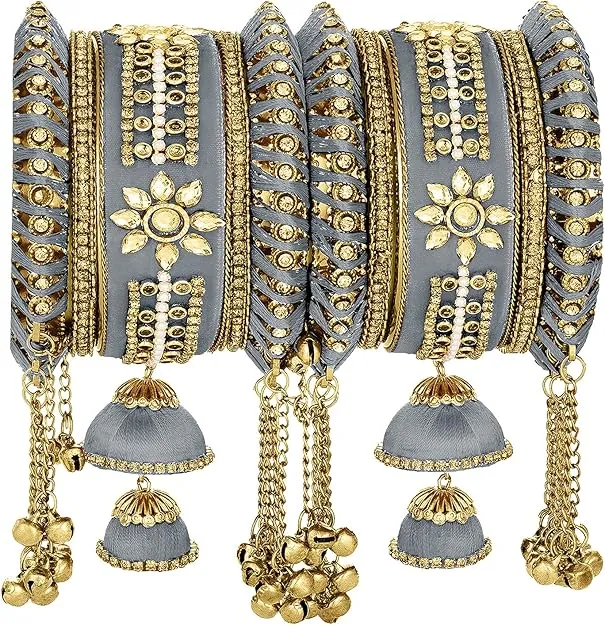
For South Asian Muslim brides — Pakistani-American, Indian-American, Bangladeshi-American — the wedding attire is typically a lehenga (flared skirt ensemble), a sharara (wide embroidered trouser set), or an anarkali gown, in a rich color with heavy silver or gold embroidery. The hijab is styled from the dupatta that accompanies the set, or a separate bridal hijab in a coordinating silver or matching fabric is worn beneath the dupatta for additional structure. Silver jewelry — layered necklaces, chandelier earrings, and stacked bangles — completes the South Asian culture bridal look in silver tones that coordinate naturally with the embroidery.
For Arab-American and Middle Eastern fashion-influenced Muslim brides, the wedding attire leans toward flowing abaya styles — long, fully covering gowns in pink, white, or green with silver embroidery at the cuffs, hem, and neckline. Check our Bridal Caftan collection for these. These abaya styles satisfy the full requirements of Islamic wedding traditions while delivering a silhouette that reads as genuinely bridal in both Middle Eastern and Western cultural contexts. The hijab for these looks is typically a structured wrap in matching silver or ivory, secured with silver pin accessories and sometimes adorned with a delicate bridal headpiece.
For convert brides and American-born Muslim brides navigating bridal wear trends without a single dominant cultural tradition, the silver Islamic wedding gown — a long-sleeved, high-necked modest gown in silver or heavily silver-embroidered white fabric — provides the most universally legible bridal statement. It communicates bridal intent clearly to guests of every background, coordinates with silver jewelry and hijab accessories across every style, and satisfies Islamic marriage ceremonies modesty requirements without requiring cultural knowledge to appreciate. Wedding traditions in the USA for Muslim brides have evolved to embrace this broader bridal wear vocabulary, and silver sits at the center of that evolution as the color that works across every cultural reference point simultaneously.
What Are Female Muslim Dresses Called?
Female Muslim dresses go by many names depending on cultural background, region, and occasion — and understanding the terminology helps brides and guests navigate modest fashion and Islamic clothing stores with confidence. The most widely recognized terms in Western contexts are the abaya and the hijab, though both refer to specific garments rather than the full range of Muslim women's clothing.
The abaya or caftan is a long, loose outer garment — typically floor-length and fully covering — worn as outerwear across Middle Eastern Muslim communities and increasingly adopted as elegant occasion wear and bridal wear in Western Muslim communities. Traditional abaya styles are black, but modern occasion wear abayas appear in every color including silver, ivory, and deep jewel tones with silver or gold embroidery. For bridal occasions, a silver or white embroidered caftan represents one of the most elegant and modestly constructed Muslim wedding attire options available. The hijab refers specifically to the headscarf — the fabric covering worn over the hair and neck — rather than the full garment. In everyday speech, hijab is sometimes used to refer to the full concept of Islamic modest dress, but in clothing contexts it refers to the head covering specifically.
Beyond abaya styles and the hijab, the main categories of female Muslim dresses in South Asian culture are the lehenga (a three-piece ensemble of flared skirt, blouse, and dupatta), the sharara (wide embroidered trousers with a long tunic and dupatta), the anarkali (a long flared dress), and the shalwar kameez (a tunic and trouser set). Each of these traditional forms of women's clothing has a bridal version that is more heavily embroidered and constructed from more luxurious fabric than the everyday equivalent. In silver bridal wear, the lehenga and sharara are the most popular South Asian forms, while the abaya-style silver Islamic wedding gown dominates the Middle Eastern style bridal category. All of these garments, when constructed to the standards of modest fashion — full coverage, opaque fabric, non-form-fitting silhouette — are appropriate Islamic modest dress for the nikah ceremony, walimah reception, and all associated Muslim wedding traditions occasions.
As a bridal color, silver communicates elegance, refinement, and maturity — qualities that make it particularly beloved among mature brides and mothers of the bride who want a wedding attire choice that reads as genuinely distinguished rather than simply festive.
What Color Do Muslim Brides Usually Wear?
Muslim brides wear a wider range of colors than any other bridal tradition in the world — a direct reflection of the extraordinary cultural diversity of the global Muslim community. Red is the historically dominant bridal color in South Asian wedding traditions, representing joy, celebration, and marital blessing. White is the most common choice among Arab-American and Middle Eastern fashion-influenced Muslim brides, reflecting both Western bridal conventions and the spiritual connotations of purity in Islamic wedding decor and ceremony aesthetics. Champagne, blush, and gold are the fastest-growing color choices among contemporary American Muslim brides navigating cultural exchange in US weddings across multiple traditions simultaneously.
Silver wedding attire occupies a unique position in this color landscape — it is not tied to a single cultural wedding customs tradition the way red is associated with South Asian culture or white with Western conventions. Silver works across all of these traditions as a universal bridal color that communicates refinement and elegance without the cultural specificity of other bridal color choices. In interfaith marriages or multicultural wedding contexts, traditional Islamic wedding dress in silver is often the most harmonious choice — it satisfies the color expectations of multiple guest communities simultaneously without belonging exclusively to any one of them.
For the henna night, the nikah ceremony, and the walima reception — the three primary occasions in Muslim wedding celebrations — silver bridal wear adapts naturally to each context. The henna night calls for a more festive, lighter silver look — silver sharara or silver embroidered anarkali in a comfortable fabric that suits the celebratory, interactive nature of the evening. The nikah ceremony calls for the most formal and dignified silver wedding attire — a heavily embroidered lehenga or silver Islamic wedding gown with full hijab styling and bridal jewelry trends-forward nikkah jewelry in silver and crystal. The walima reception allows for a different silver look — often lighter in embroidery density but richer in fabric quality — that distinguishes the bride's second look from her nikah outfit while maintaining the silver bridal theme across the full wedding celebration.
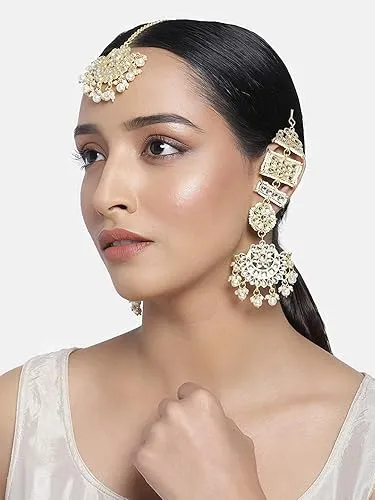
Bridal jewelry trends in 2026 have strongly favored silver-tone pieces alongside or instead of the traditional gold — a shift that directly benefits brides choosing silver wedding attire because their bridal jewelry can now match their embroidery tone exactly rather than creating a gold-on-silver contrast. Silver nikkah jewelry sets — white gold, sterling silver, and platinum-finish pieces with crystal or diamond-look stones — are widely available across every budget level at Hijabi Bridal's <a href="https://hijabibridal.github.io/shop/category/nikkah-jewelry" class="text-[#db2777] font-bold hover:underline">nikkah jewelry collection</a>, making it straightforward to complete a fully cohesive silver Muslim bridal look from headscarf to shoes.
Silver Muslim Bridal Wear for the Mature Bride
Silver is the bridal color that wears most gracefully across age groups — and it is particularly celebrated as a choice for the mature Muslim bride who wants to dress for her wedding with the sophistication and quiet confidence that comes with life experience. Where younger brides may reach for the full visual drama of red or the romantic softness of blush, the mature Muslim bride in silver makes a statement of elegant authority that is deeply appealing and distinctly grown-up. The cultural trends 2026 in modest bridal wear have recognized this, with wedding planning resources and modest fashion design inspiration increasingly addressing the mature bride as a distinct customer rather than an afterthought.
For the mature Muslim bride, the strongest silver bridal wear choices are those that prioritize fabric quality over embroidery density — a silver crepe sharara with delicate silver embroidery at the hem and cuffs reads as more sophisticated than a heavily encrusted lehenga at any age, and it is significantly more comfortable for extended wear across a long nikah ceremony and walimah reception. Silver abaya styles in structured crepe or heavy chiffon with silver thread embroidery along the front opening and cuffs are another excellent option — they carry the full formality of the occasion in a silhouette that is inherently modest, inherently elegant, and inherently flattering across a mature figure.
The hijab for a mature Muslim bride in silver should reflect the same principle of refined simplicity — a structured wrap in ivory or silver with minimal embellishment and a double bridal dupatta. Islamic clothing stores in the US increasingly stock hijab styles designed with the mature woman's aesthetic in mind, and Hijabi Bridal's <a href="https://hijabibridal.github.io/shop/category/bridal-hijab" class="text-[#db2777] font-bold hover:underline">bridal hijab collection</a> includes silver and ivory options that suit this aesthetic beautifully. Complete the mature silver Muslim bridal look with silver nikkah jewelry in fine or fine-finish settings for a result that is quietly breathtaking in the best possible way.
Styling the Silver Muslim Bridal Look: Hijab, Jewelry, and Wedding Decor
The hijab is the most important styling decision in any silver Muslim bridal look — and it is the element that most determines whether the overall wedding attire reads as a cohesive, intentional bridal statement or a collection of beautiful pieces that do not fully connect. For a silver lehenga or sharara, the hijab options are: the opaque dupatta that accompanies the set styled over the head and draped over the shoulders; a separate bridal hijab worn beneath the dupatta for added structure and coverage; or a silver bridal hijab that coordinates directly with the embroidery of the dress. All three approaches work — the choice depends on the weight of the dupatta fabric, the bride's preferred hijab style, and the formality of the nikah ceremony or walimah reception venue.
Silver nikkah jewelry for the silver Muslim bridal look should echo the silver embroidery rather than contrast it with gold. Layered silver necklace sets worn over the hijab at the chest, crystal or pearl drop earrings visible below the hijab frame, and delicate silver bangles create a fully cohesive look that photographs with exceptional clarity and consistency. Bridal accessories in silver — like a silver bridal belt worn over the lehenga or sharara, and silver-embroidered jutti flat shoes — complete the look at every level. Hijabi Bridal's <a href="https://hijabibridal.github.io/shop/category/bridal-belt" class="text-[#db2777] font-bold hover:underline">bridal belt collection</a> and <a href="https://hijabibridal.github.io/shop/category/jutti" class="text-[#db2777] font-bold hover:underline">jutti collection</a> both carry silver-tone options that coordinate directly with the silver bridal wear collection.
Islamic wedding decor in silver and white — floral arrangements in white and silver, table settings in ivory with silver accents, and backdrop draping in white with silver detail — creates a fully immersive color environment that elevates the silver Muslim bridal look from beautiful to breathtaking. The cultural exchange in American Muslim weddings has made silver and white wedding decor one of the most widely appreciated aesthetic choices across diverse guest backgrounds — it reads as elegant and celebratory to guests of every cultural reference point, making it a natural choice for Muslim brides hosting multicultural nikah ceremonies and walimah receptions. Wedding planning around a silver bridal color theme is one of the most cohesive and visually harmonious approaches available in 2026 Muslim bride.
Frequently Asked Questions
What is the best silver color Muslim bridal collection for 2026?
The best silver color Muslim bridal collection for 2026 features multi-tonal silver embroidery in bright silver, antique silver, and gunmetal tones across lehengas, shararas, bridal caftans, and Islamic wedding gowns. Silver bridal wear suits the nikah ceremony and walimah reception equally well, and it is particularly celebrated as a sophisticated choice for the mature Muslim bride. Hijabi Bridal's silver collection curates the strongest Amazon-sourced options across price points.
What does a Muslim bride wear to her wedding?
A Muslim bride wears modest, fully covering wedding attire that reflects her faith and cultural background. Common choices include a lehenga, sharara, anarkali gown, or abaya-style Islamic wedding gown. The hijab — styled from the dupatta or a separate bridal hijab — completes the look. Silver Muslim bridal wear is a universally flattering choice that works across South Asian, Middle Eastern, and Western Muslim bridal traditions.
What are female Muslim dresses called?
Female Muslim dresses include the abaya or caftan (a long, fully covering outer garment), the lehenga (a flared skirt ensemble with blouse and dupatta), the sharara (wide embroidered trousers with a long tunic), the anarkali (a long flared dress), and the shalwar kameez (a tunic and trouser set). The hijab refers specifically to the headscarf. All of these garments have silver bridal versions or featuring silver embroidery on luxurious fabric that are appropriate for the nikah ceremony and walimah reception.
What color do Muslim brides usually wear?
Muslim brides wear a wide range of colors depending on cultural background. Red is traditional in South Asian Muslim communities. White is common among Arab-American and Middle Eastern fashion-influenced brides. Champagne, blush, and gold are growing choices among contemporary American Muslim brides. Silver is unique in that it works across all of these cultural traditions simultaneously — it carries no single cultural wedding customs association, making it the most versatile and universally flattering Muslim bridal color in 2026.
Is silver a good bridal color for a mature Muslim bride?
Yes — silver is the bridal color that wears most gracefully across age and is particularly celebrated for the mature Muslim bride. It communicates elegance, refinement, and quiet confidence in a way that more saturated bridal colors do not. The best silver bridal wear choices for a mature bride prioritize fabric quality — silver crepe shararas, silver embroidered abayas, and structured silver Islamic wedding gowns — over maximum embroidery density, creating a sophisticated result that is both formally appropriate and genuinely distinctive.
What silver jewelry suits a silver Muslim bridal look?
Silver-tone nikkah jewelry — white gold, sterling silver, or platinum-finish pieces with crystal or pearl stones — coordinates most naturally with silver Muslim bridal embroidery. Layered silver necklace sets worn over the hijab at the chest, crystal drop earrings visible below the hijab frame, and delicate silver bangles create a fully cohesive bridal jewelry look. Bridal jewelry trends in 2026 strongly favor silver-tone pieces, making it straightforward to find matching sets at every budget level.
What hijab style works best with a silver Muslim bridal outfit?
The most effective hijab options for a silver Muslim bridal look are: the opaque dupatta from the dress or sharara set styled over the head; a separate bridal hijab worn beneath the dupatta for added structure; or a silver-embellished bridal hijab that coordinates directly with the dress embroidery. The hijab should be ironed, voluminous, and secured with silver pin accessories for the proportional balance that silver bridal embroidery demands.
What silver bridal wear suits the henna night, nikah, and walimah?
For the henna night, a lighter silver sharara or silver anarkali in comfortable fabric suits the celebratory occasion. For the nikah ceremony, the most formal silver Muslim bridal wear — a heavily embroidered lehenga or silver Islamic wedding gown with full hijab styling and silver nikkah jewelry — is the appropriate choice. For the walimah reception, a lighter-embroidery silver look in premium fabric distinguishes the second outfit while maintaining the silver bridal theme across the full wedding celebration.