Pink Muslim Bridal Collection
Can you wear pink to a Muslim wedding?
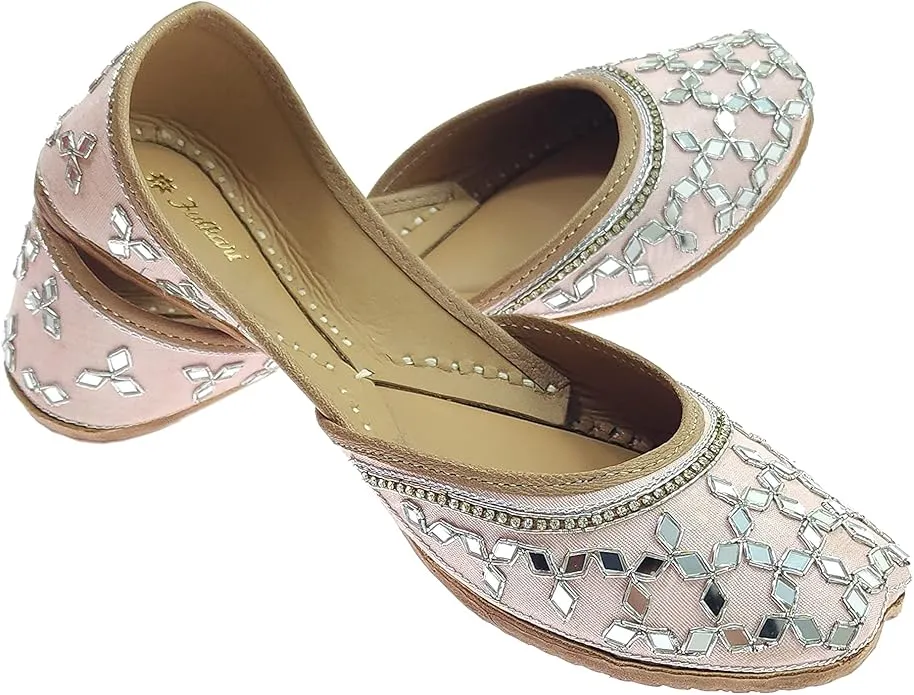
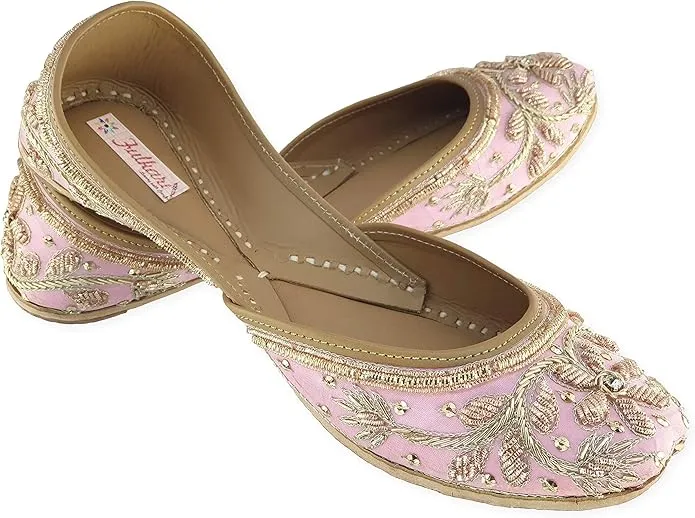
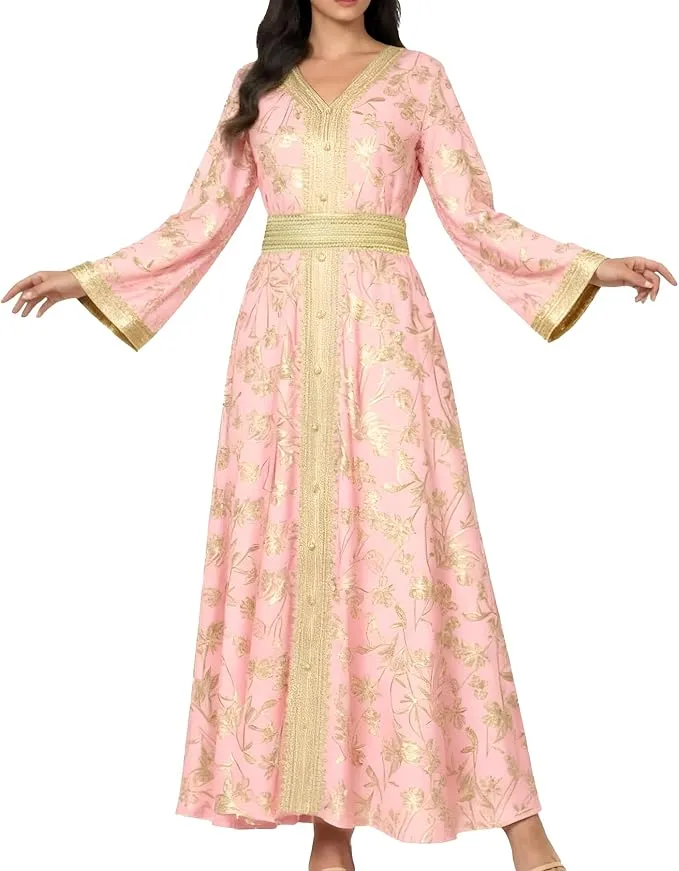
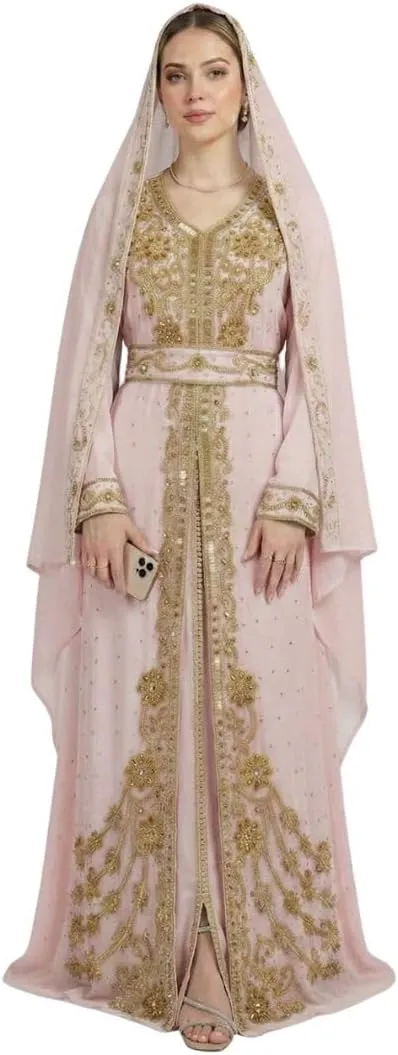
Yes, a Muslim bride can absolutely wear pink attire to her wedding — and in 2026, women's pink Muslim bridal fashion has made pink one of the most requested colors in our overall collection. Far from being a secondary or non- traditional color, pink Muslim wedding wear has a long history in South Asian and Middle Eastern bridal attire, and it sits comfortably within Islamic customs and wedding etiquette when styled with full coverage and a bridal hijab. As for what color Muslim brides wear more broadly: the answer has never been as simple as red. Bridal fashion in the US Muslim community draws from a full spectrum of colors that includes blush, dusty rose, hot pink, and mauve alongside the more traditional reds and greens. READ MORE BELOW...
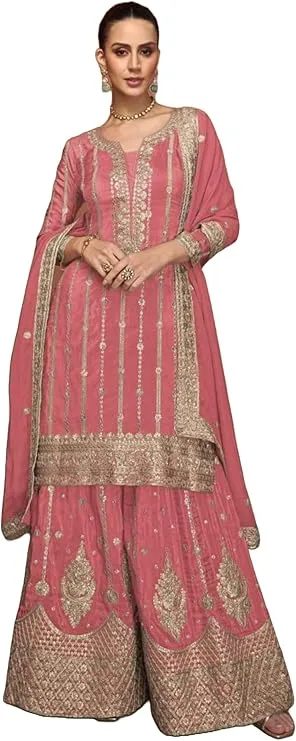
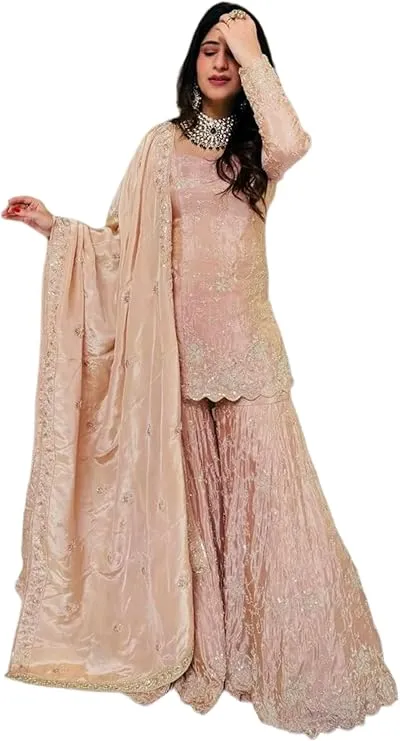
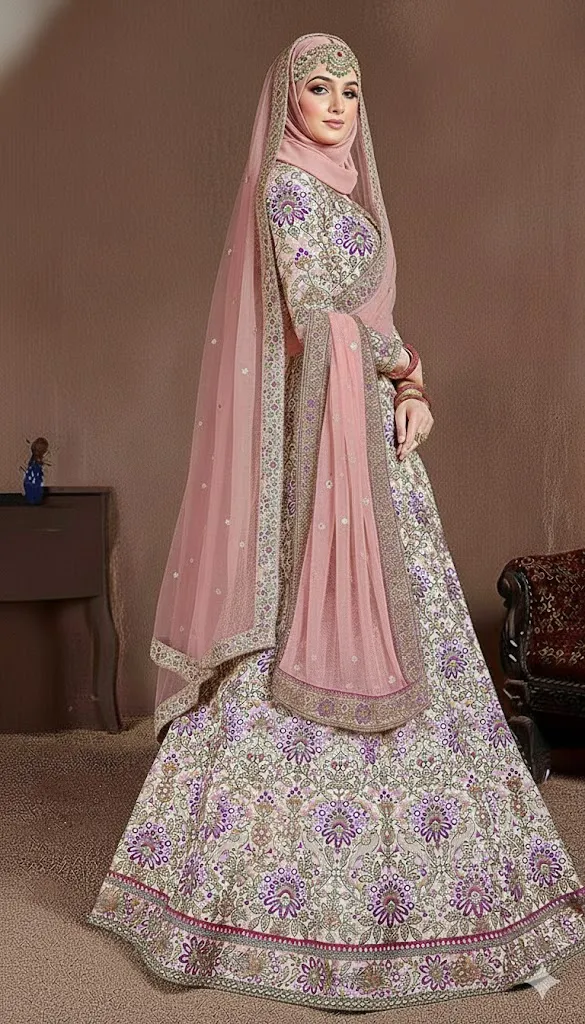
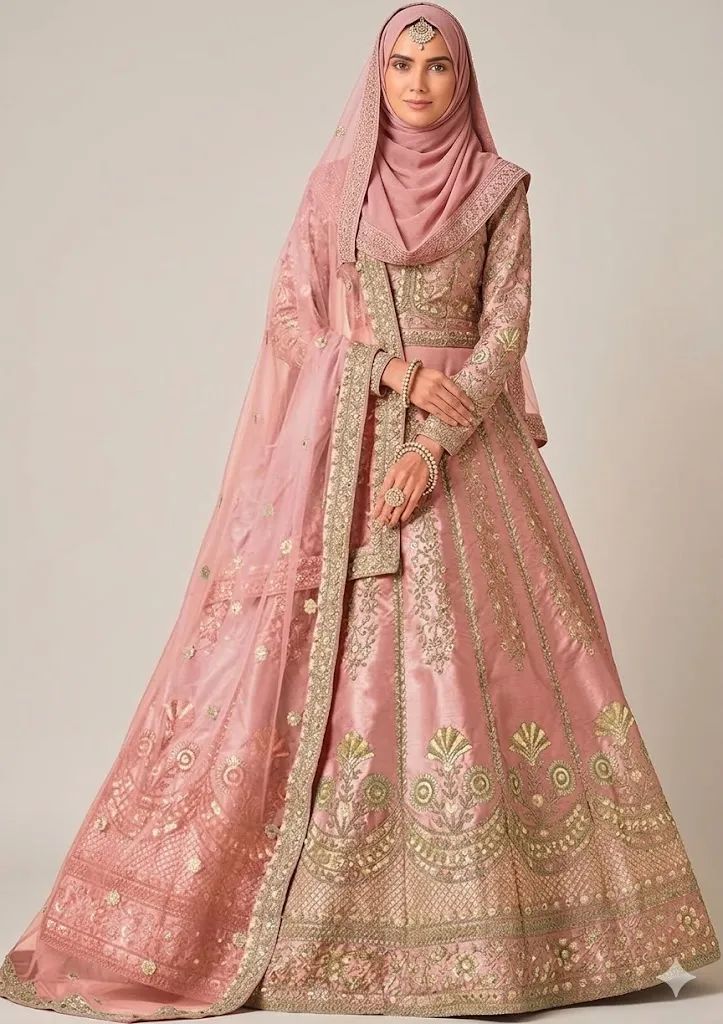
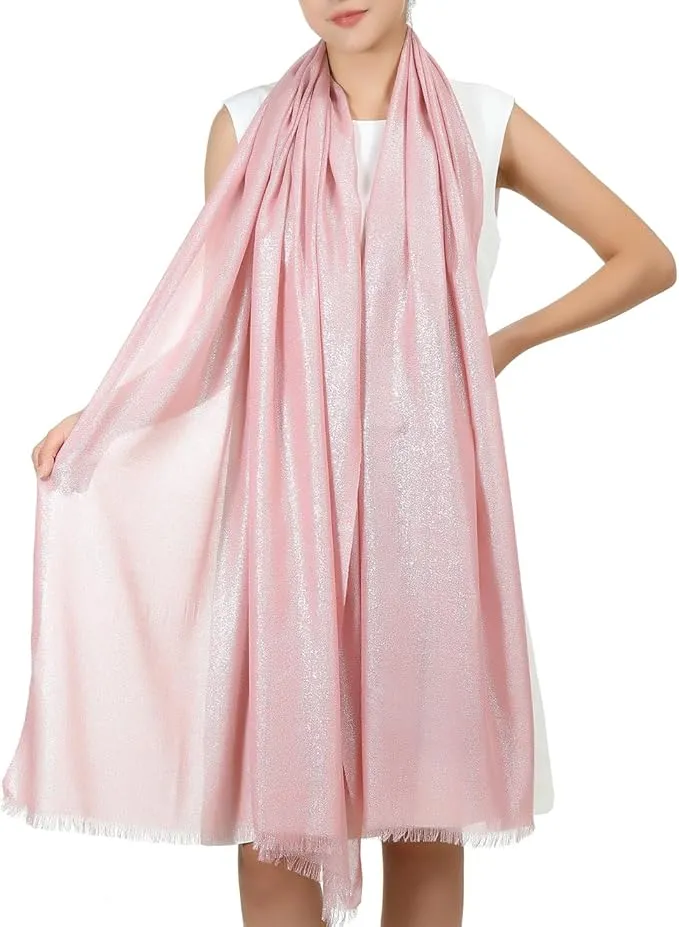
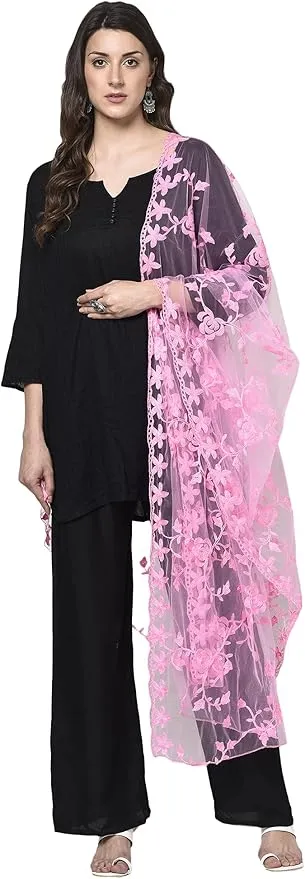
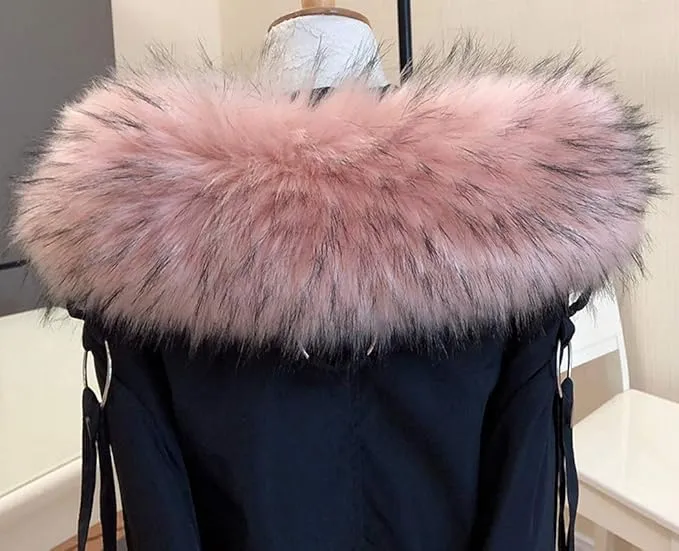
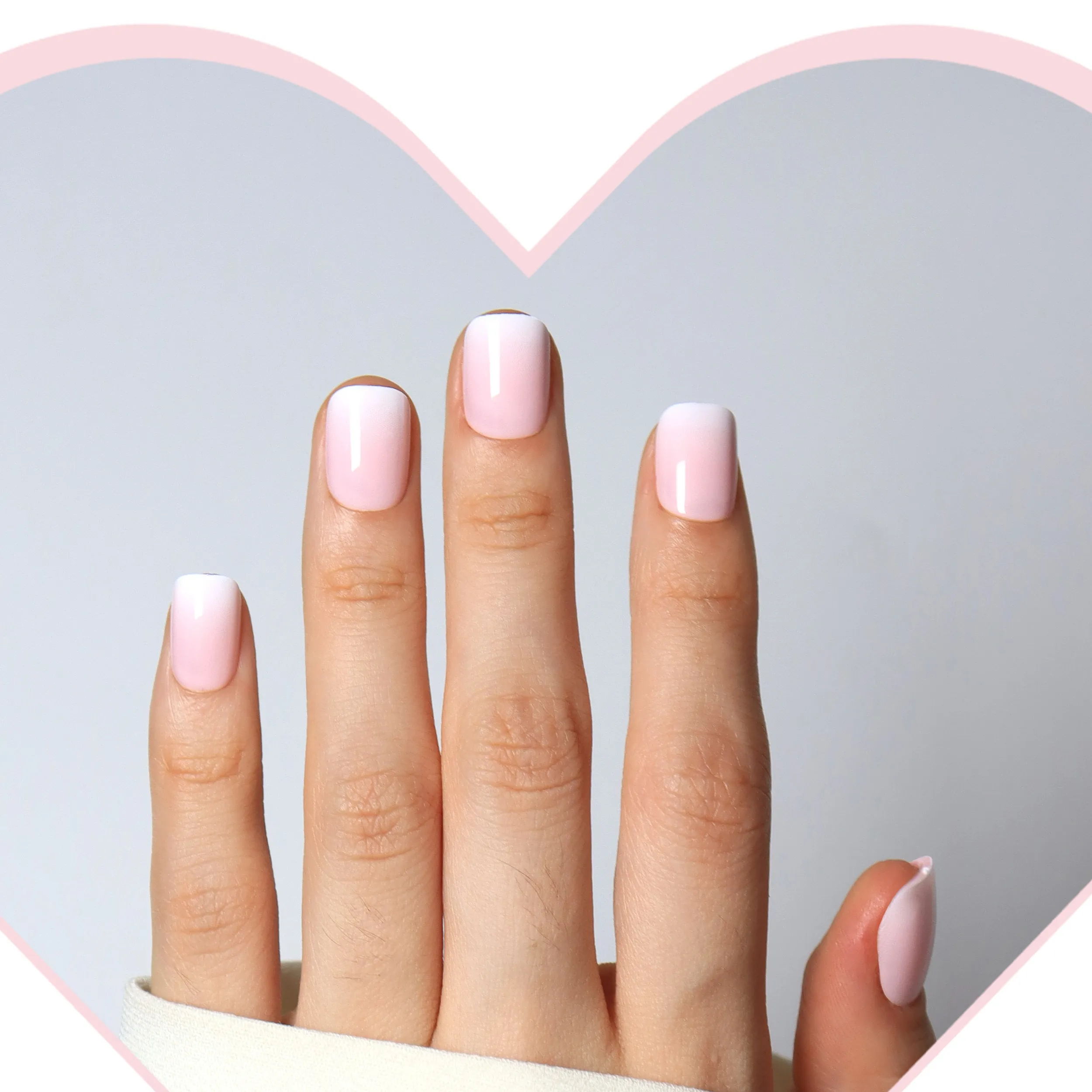
Can you wear pink to a Muslim wedding?
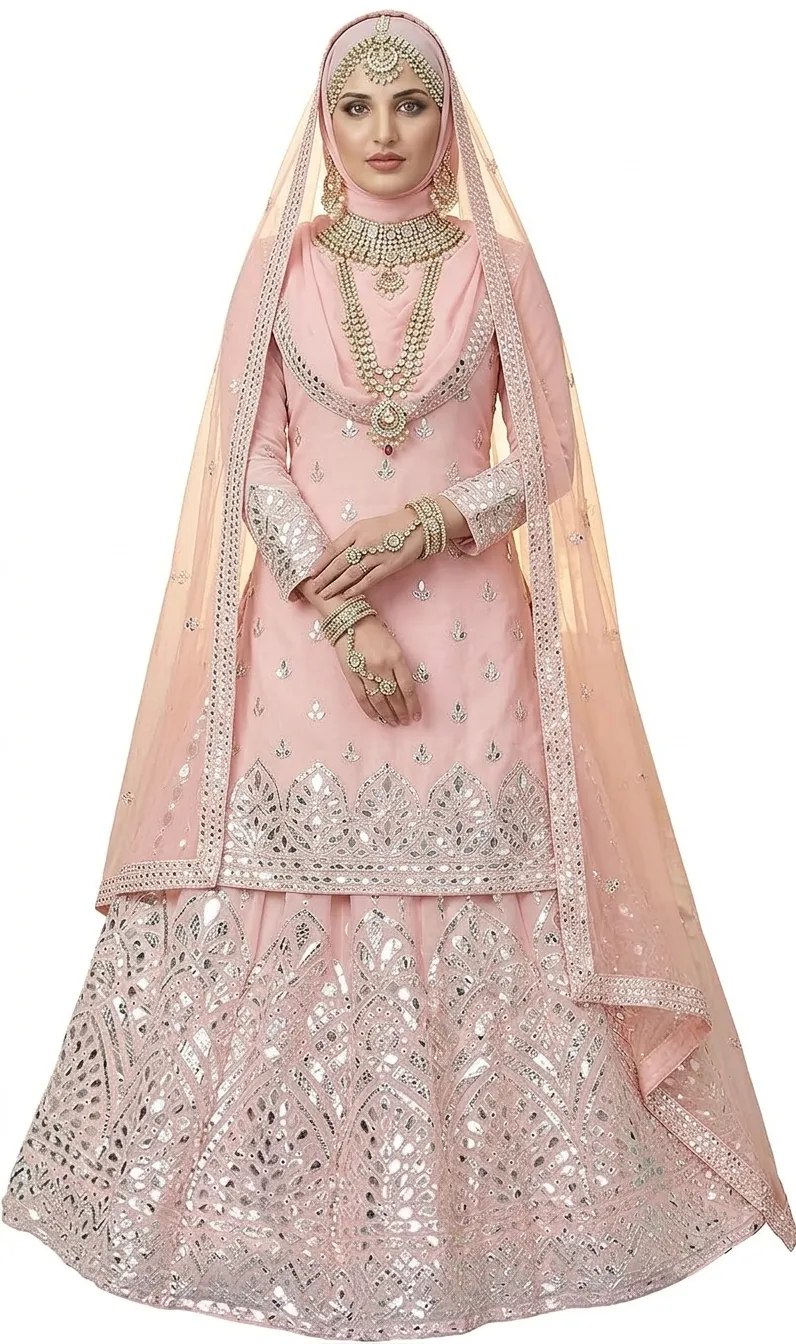
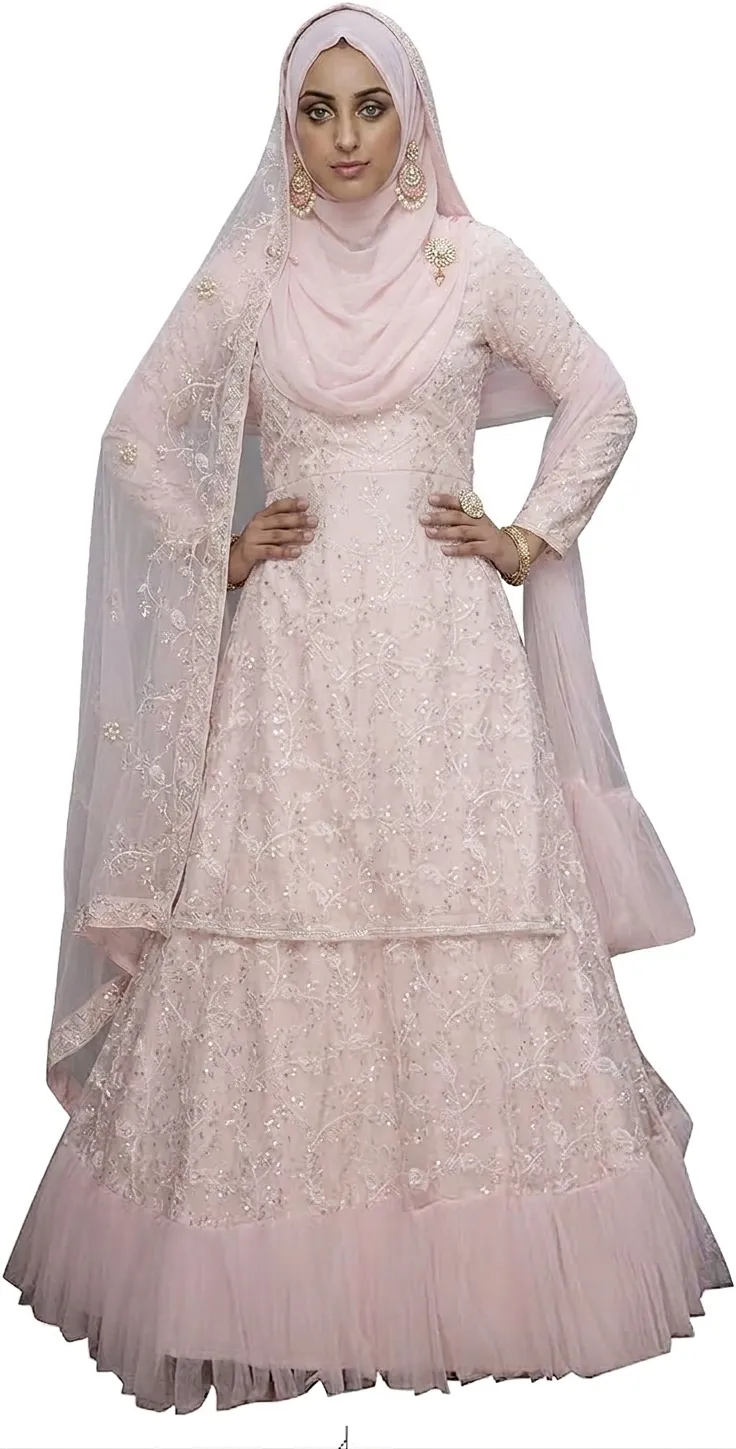
Pink attire is not just permitted at a Muslim wedding — for a bride, it is one of the most beautiful and culturally grounded color choices available. Islamic customs do not assign colors to ceremonies; it governs wedding etiquette, the dos and don'ts of a Muslim wedding, coverage, modest fashion, and fabric opacity. A pink Muslim bride in bridal wear like a pink Muslim bridal lehenga, sharara, or pink Muslim bridal dress who is fully covered and wearing a hijab is dressed in complete accordance with religious customs. The idea that a Muslim bride must wear the traditional color red is a cultural norm, not a religious requirement — and one that has been evolving steadily as women's pink Muslim bridal fashion has grown in visibility and confidence across the US.
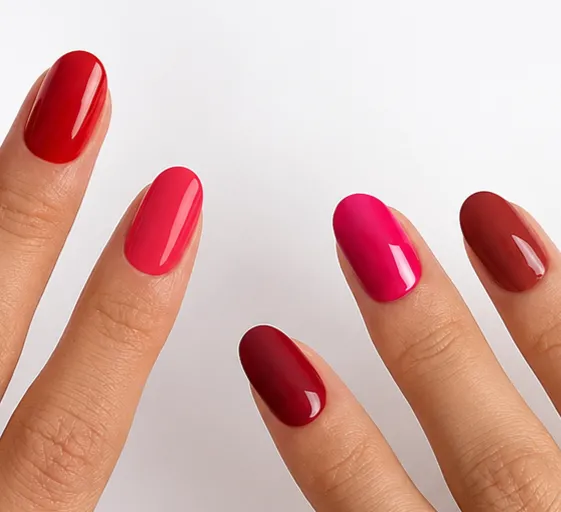
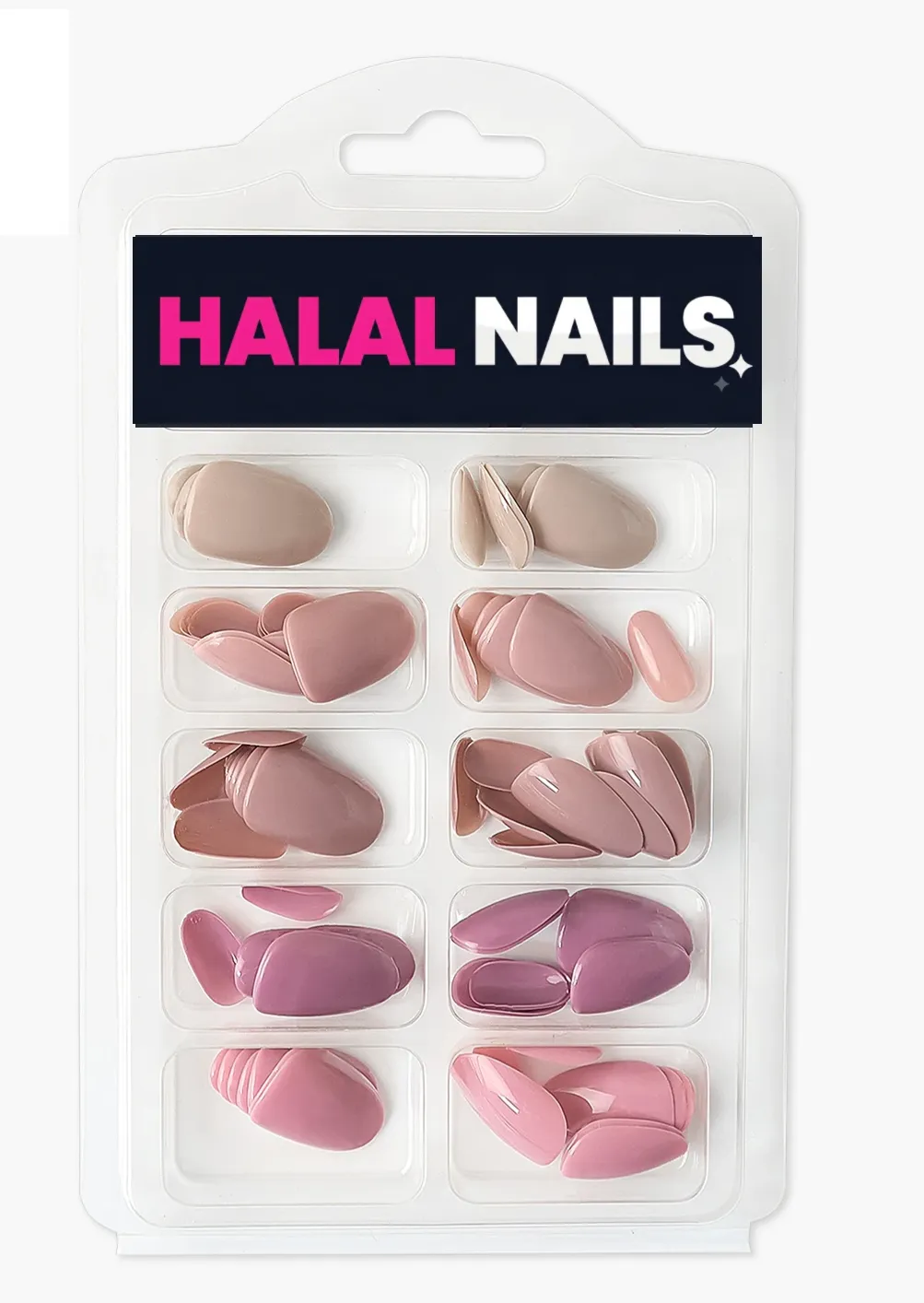
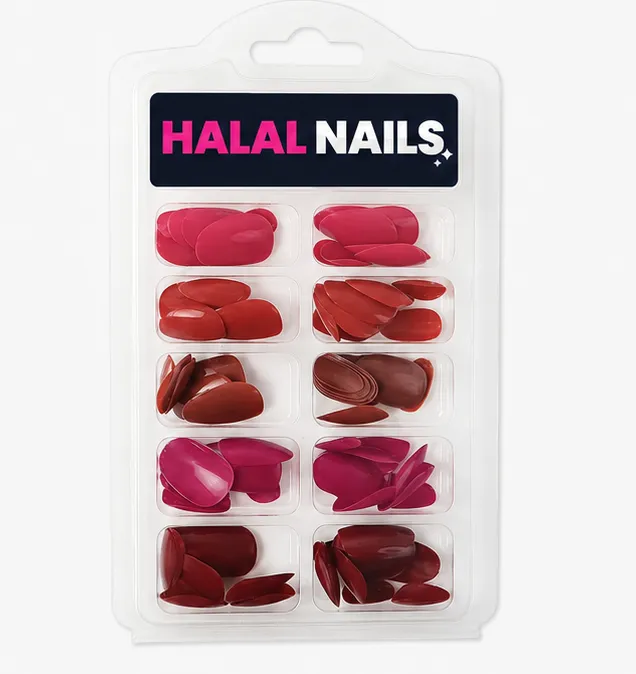
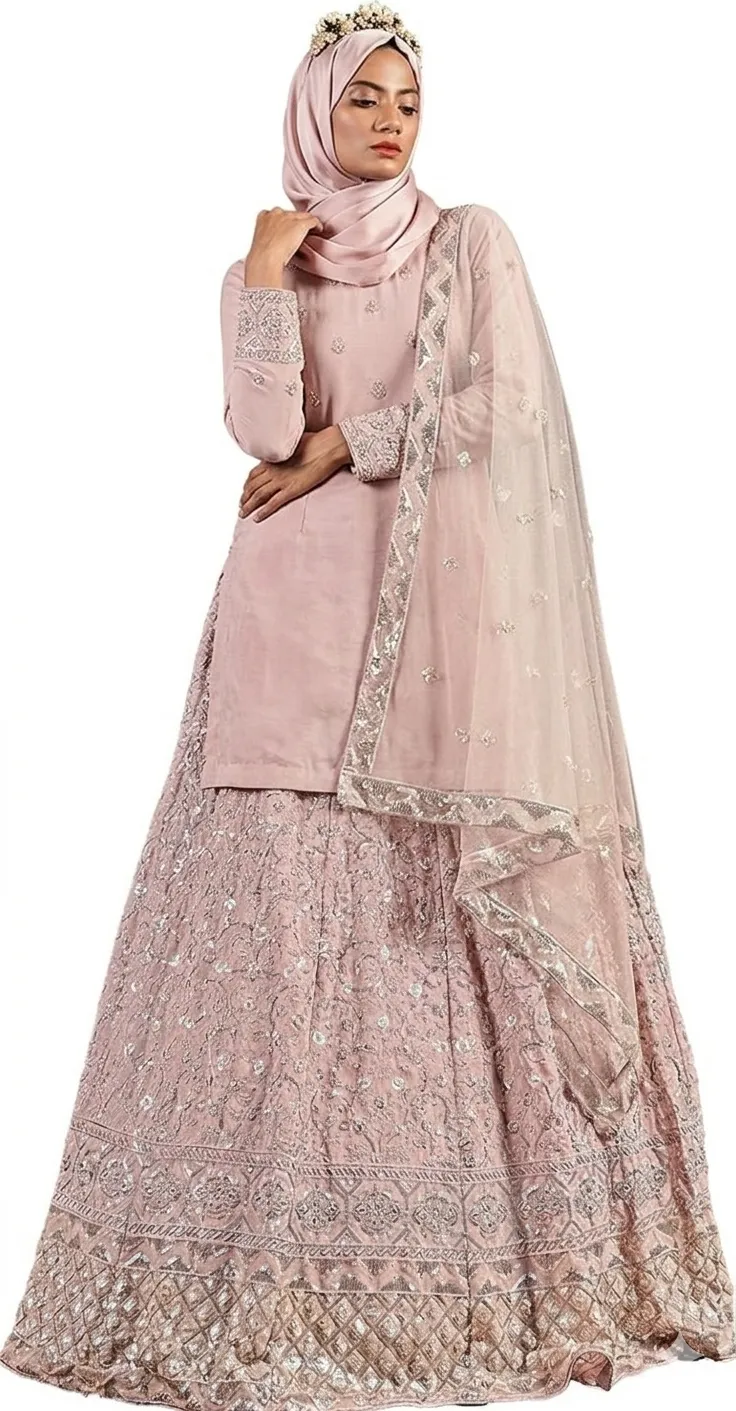
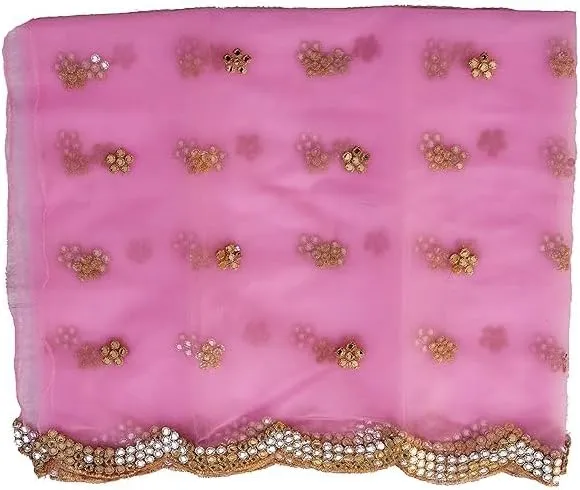
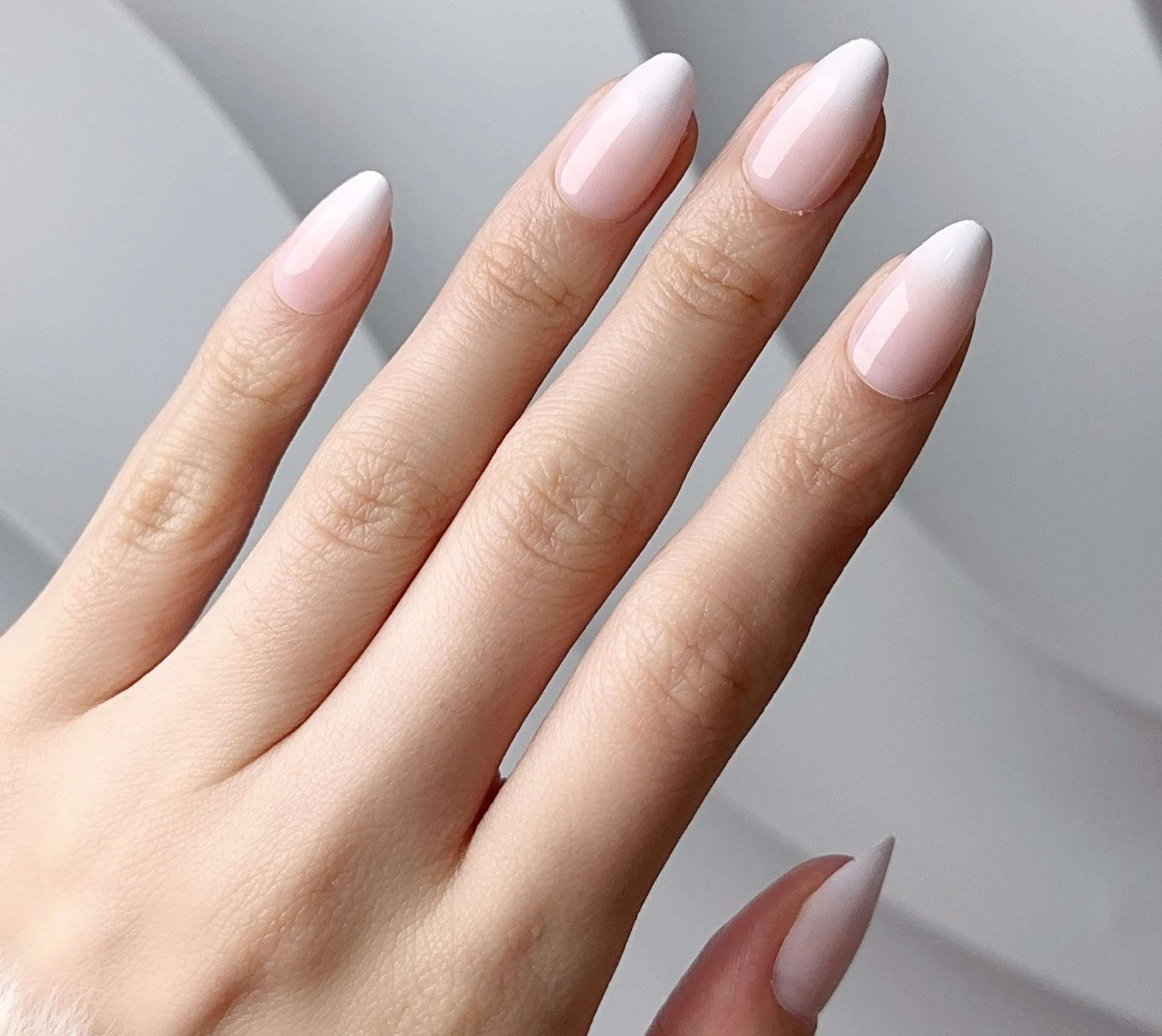
Within the spectrum of pink Muslim wedding dresses available for bridal attire, the shades that resonate most with Muslim brides in 2026 are dusty rose, blush, and deep fuchsia. Dusty rose and blush read as soft and romantic — ideal for a daytime nikah ceremony where natural light flatters lighter tones — while fuchsia and magenta carry the celebratory energy more typically associated with South Asian bridal color customs. All three sit well within modest fashion conventions: they are rich enough to photograph beautifully without requiring heavy metallic embellishment. 2026 Muslim bridal trends are minimally embroidered, which fits well with our Amazon collection.
Cultural norms around pink attire in Muslim weddings vary significantly by community. In many South Asian families, pink is the color of the henna night — a pre-wedding celebration where the bride wears something festive but not her main nikah outfit. Over time, with US cultural diversity and fashion trends, pink has migrated from the henna night to the nikah ceremony itself, and now to the walima reception as well. This shift reflects a broader pattern in ethnic wedding traditions: the gradual loosening of prescriptive color rules in favor of colors that feel personally meaningful to the bride.
For couples navigating interfaith marriages and US cultural diversity, pink is often the most diplomatic color choice available. It carries no strong religious or cultural associations that might create friction across communities, yet it is festive, feminine, and unmistakably bridal. Wedding guest dress code at Muslim weddings generally discourages guests from wearing red — a courtesy to the bride — but pink is fully open to everyone, which means a bride who chooses pink for her bridal attire is also making a generous choice for her guests in their dress code. Women's pink Muslim bridal dresses in soft pinks especially communicates a kind of warmth and welcome that suits the spirit of a Muslim wedding beautifully.
What color do Muslim brides wear for a wedding?
The question of what color Muslim brides wear is best answered not with a single color but with a map of the communities that make up the US Muslim community. Islamic wedding traditions do not prescribe a bridal color. What exists instead are cultural customs that vary by region, generation, and family — and in the US, where Muslim brides come from South Asian, Arab, West African, Turkish, and many other backgrounds, those customs exist side by side and influence each other constantly. The result is a bridal fashion landscape that is genuinely diverse, with red, green, pink, blue, ivory, and gold all appearing regularly at Muslim weddings across the country.
Red remains the most traditional choice in Pakistani bridal wear and across much of South Asian Muslim bridal fashion. It carries associations with love, celebration, and the formality of the nikah ceremony that go back generations, and it continues to dominate wedding photography from South Asian Muslim families in the US. But even within Pakistani bridal wear, the red that appears in 2026 is rarely a flat primary red — it is more likely to be deep maroon, wine, or brick, often layered with gold embroidery that gives the traditional dress a richness and warmth that photographs exceptionally well.
Indian Muslim weddings show a broader palette than Pakistani tradition, with green, mustard yellow, and peach appearing alongside red as fully accepted nikah and walima colors. Middle Eastern wedding customs lean toward ivory, champagne, and gold for the main ceremony, reflecting the influence of Gulf bridal fashion on Arab American communities in the US. Cultural exchange across these traditions has produced some of the most interesting bridal fashion combinations in the US Muslim community — a bride might wear a deep green Pakistani-style lehenga for her nikah and an ivory embroidered abaya-style gown for her walima, drawing from two distinct cultural customs within a single wedding weekend.
Pink sits at an interesting position within this landscape. It belongs to no single tradition exclusively, which means it is available to all of them. Women's pink Muslim bridal fashion appeals equally to South Asian brides who want something softer than red, to Arab American brides who find ivory too understated, and to brides from interfaith marriages who want a color with broad cultural legibility. American Muslim culture has embraced pink Muslim brides more warmly than one with almost any other non-traditional color, and the women's pink Muslim bridal category reflects that: from pale blush lehengas to deep fuchsia shararas, the pink collection here covers the full range of what pink can mean at a Muslim wedding in the US today.
Choosing your pink: shade, silhouette, and ceremony
The right shade of pink Muslim wedding dress depends on the formality of the ceremony and the time of day. Blush and dusty rose are the most versatile — they work in natural and artificial light, suit both daytime nikah ceremonies and evening walima receptions, and coordinate easily with gold, silver, and ivory accessories. Hot pink and fuchsia are more demanding: they perform best under warm artificial lighting and pair most naturally with gold jewelry and deep-toned embroidery. Mauve and antique rose sit between the two in formality and are particularly well suited to autumn and winter weddings, where their depth reads as seasonal and intentional.
Silhouette follows the same logic as in any other color category. A pink Muslim bridal lehenga is the most structured and traditionally South Asian option, with the volume and layering that reads as grand and celebratory in wedding photography. A pink sharara offers more ease of movement with the same full coverage. A pink abaya-style gown or kaftan is the most streamlined choice — a single floor-length garment that suits brides who want elegant simplicity over visual complexity. All three silhouettes become complete modest fashion looks with the addition of a coordinating bridal hijab and dupatta.
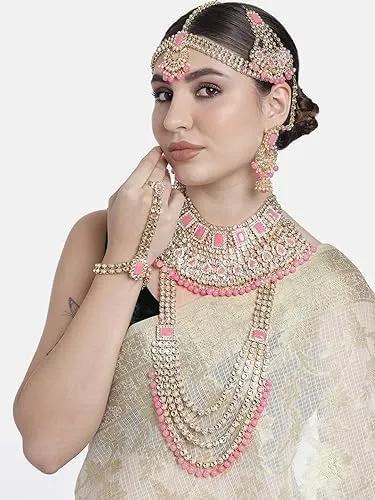
The hijab pairing for a pink bridal dress follows a straightforward principle: match the fabric weight and stay within the same tonal family. A blush chiffon hijab with a blush lehenga creates a monochromatic look that has become one of the most photographed nikah aesthetics of 2026. A white or ivory hijab with a deeper pink dress creates contrast without competing with the dress. Rose gold jewelry ties both approaches together and has emerged as the most natural metallic partner for pink bridal fashion in the US Muslim community, sitting warmly between the yellow gold of South Asian tradition and the white gold of more contemporary styling.
Frequently Asked Questions
Can a Muslim bride wear pink to her wedding?
Yes. Islamic customs govern modesty and coverage, not color. A Muslim bride in a pink lehenga, sharara, or Islamic wedding dress who is fully covered and wearing a bridal hijab is dressed in complete accordance with religious customs. Pink has a long presence in South Asian and Middle Eastern bridal attire and is fully appropriate for the nikah ceremony, henna night, and walima reception. Women's pink Muslim bridal fashion has made pink one of the most popular non-traditional bridal colors in the US Muslim community.
What color do Muslim brides traditionally wear?
Red is the most traditional bridal color in Pakistani bridal wear and much of South Asian Muslim bridal fashion, where it carries deep cultural associations with celebration and the nikah ceremony. Indian Muslim weddings frequently feature green, mustard, and peach alongside red. Middle Eastern wedding customs favor ivory, champagne, and gold. Islamic wedding traditions do not prescribe a specific color — only that the bridal attire be modest and appropriate. In the US Muslim community, cultural exchange across these traditions has produced a wide range of accepted bridal colors, including pink, blue, and ivory.
Is pink appropriate for a nikah ceremony?
Yes. Pink is a fully appropriate color for a nikah ceremony. There is no religious customs restriction on wearing pink at a Muslim wedding. Historically, pink has been associated with the henna night in many South Asian families, but cultural traditions around this have evolved significantly, and pink is now widely worn at nikah ceremonies and walima receptions by Muslim brides across the US. A pink nikah outfit styled with a bridal hijab and modest coverage meets all Islamic dress code requirements.
What shades of pink work best for Muslim bridal fashion?
Blush and dusty rose are the most versatile shades for Muslim bridal fashion — they work in both natural and artificial light and suit daytime nikah ceremonies and evening walima receptions equally well. Hot pink and fuchsia perform best under warm artificial lighting and are particularly popular in women's pink Muslim bridal fashion influenced by South Asian cultural customs. Mauve and antique rose suit autumn and winter weddings. All shades pair well with gold, rose gold, or silver jewelry depending on the overall tone of the bridal attire.
What hijab goes with a pink Muslim bridal dress?
The most reliable approach is to match the hijab fabric weight and stay within the same tonal family as the dress. A blush chiffon hijab with a blush lehenga creates a monochromatic bridal look that is among the most popular nikah ceremony aesthetics in the US Muslim community in 2026. A white or ivory hijab with a deeper pink dress creates a clean contrast without competing with the embroidery or color of the dress. Rose gold jewelry is the most natural metallic partner for pink bridal fashion, bridging South Asian cultural traditions and contemporary modest fashion styling.
Does pink suit interfaith or mixed-culture Muslim weddings?
Pink is one of the best color choices for interfaith marriages and mixed-culture Muslim weddings. It carries no strong exclusive associations with any single cultural tradition, making it legible and festive across communities. It also has practical advantages for wedding guest etiquette: since guests at a Muslim wedding are generally asked not to wear red out of courtesy to the bride, a bride who chooses pink opens the full red and pink spectrum to her guests. Women's pink Muslim bridal fashion in softer pinks in particular communicates warmth and welcome that suits the inclusive spirit of an interfaith or multicultural Muslim wedding.