White Collection
What is the best white Muslim bridal for 2026?
The best white Muslim bridal for 2026 is one that is fully hijab-friendly, modest in silhouette, and drawn from the diverse traditions of Islamic wedding attire — from traditional Pakistani lehengas and shararas to Arab-style white caftans and modern Muslim wedding dresses. Curated from Amazon, this collection brings together white bridal items across every product category — wedding dresses, lehengas, caftans, bridal hijabs, dupattas, halal nails, jutti, nikkah jewelry, and more — all available on Amazon with US shipping. READ MORE BELOW...
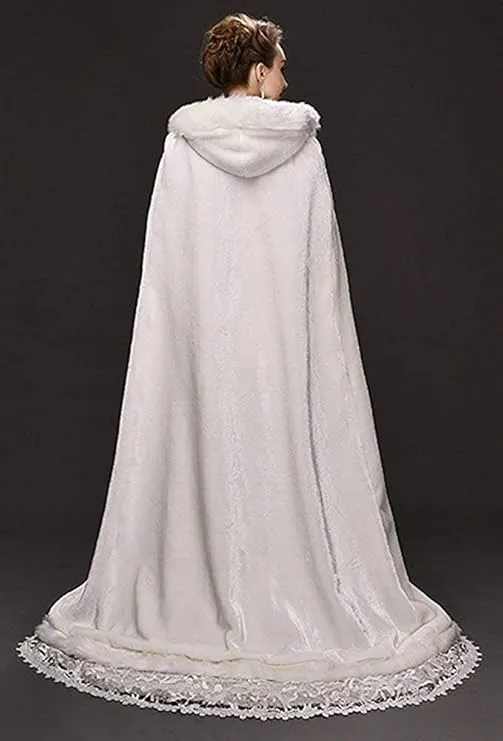
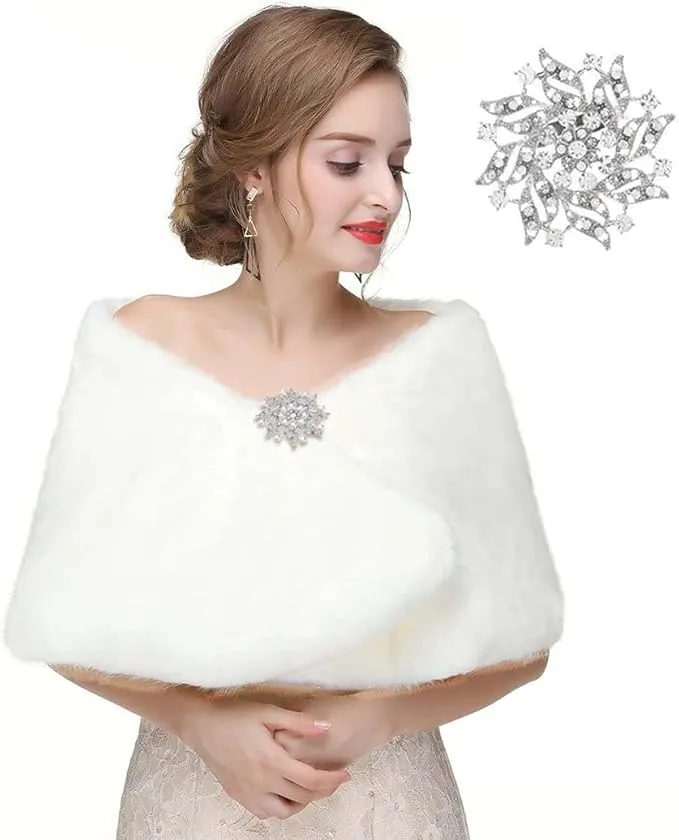

Best white Muslim bridal for 2026?
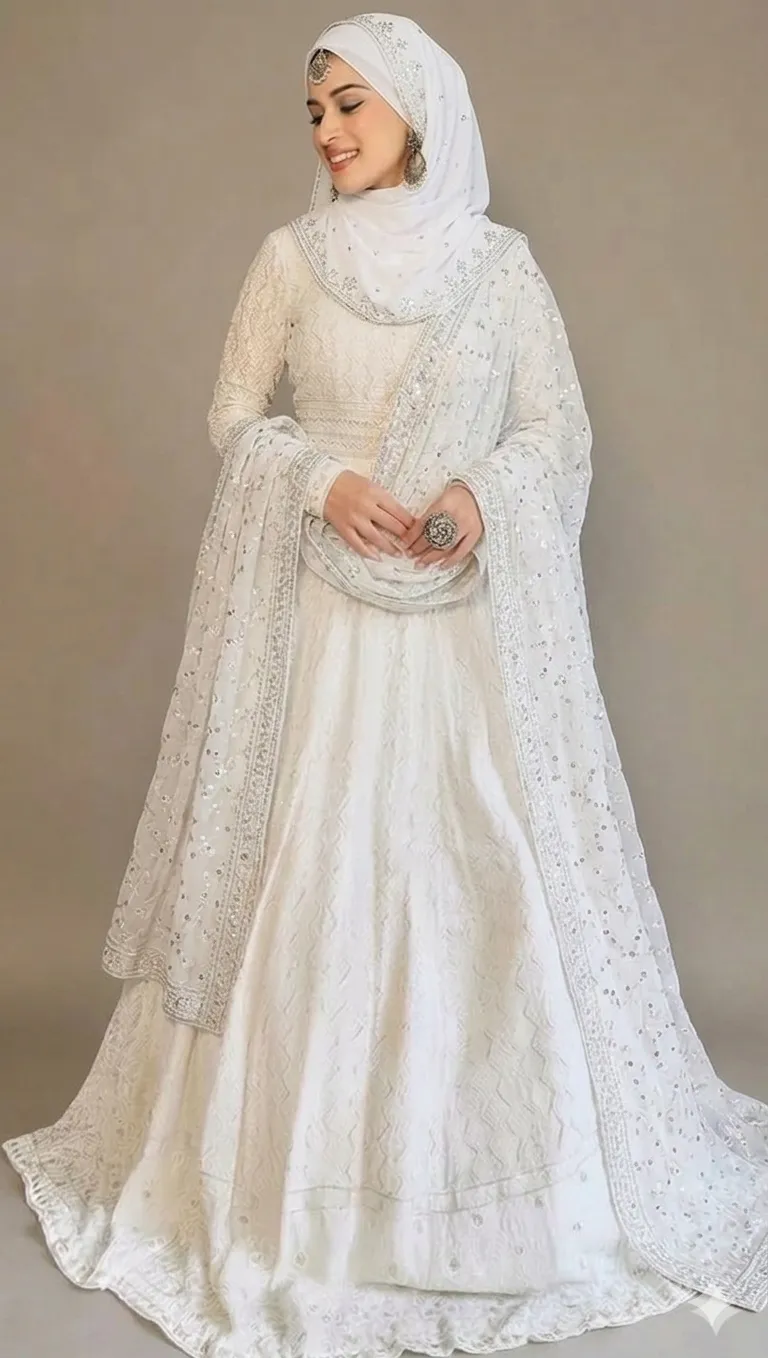
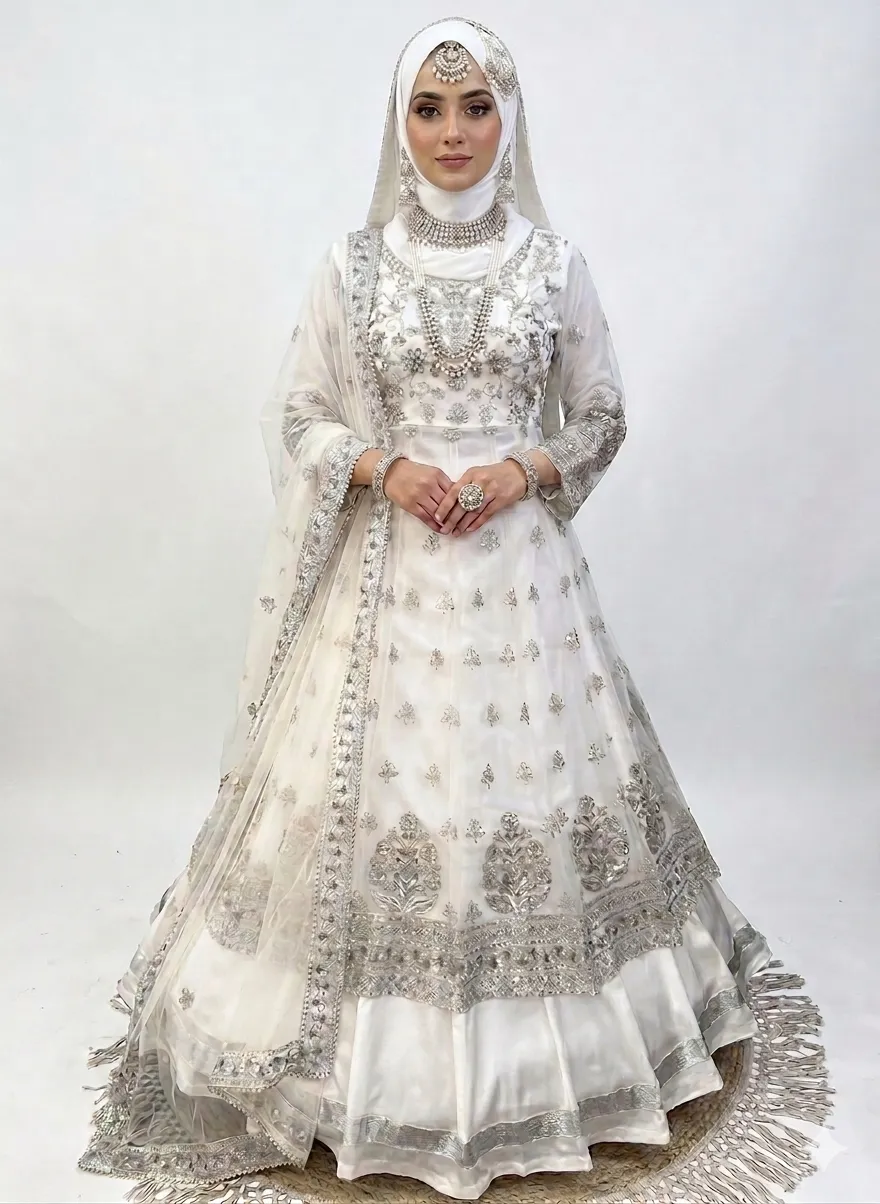
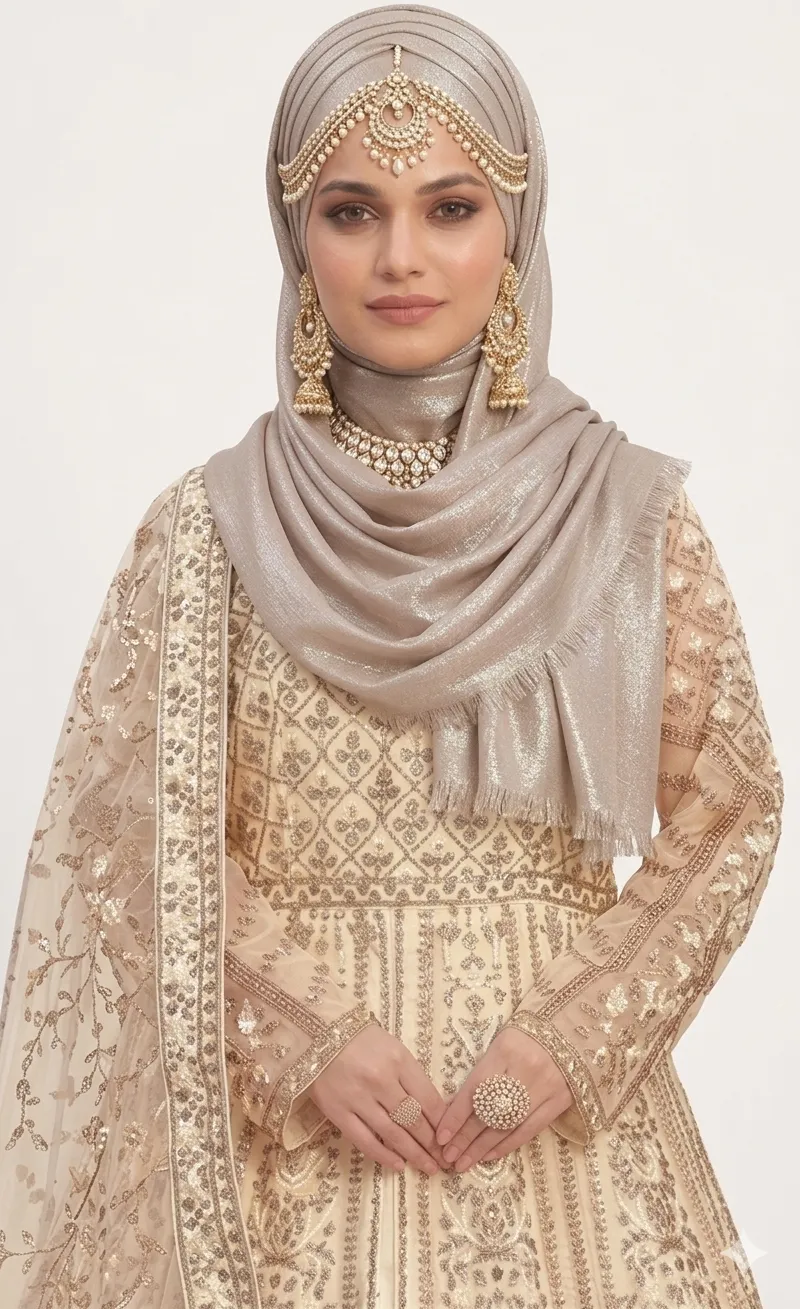
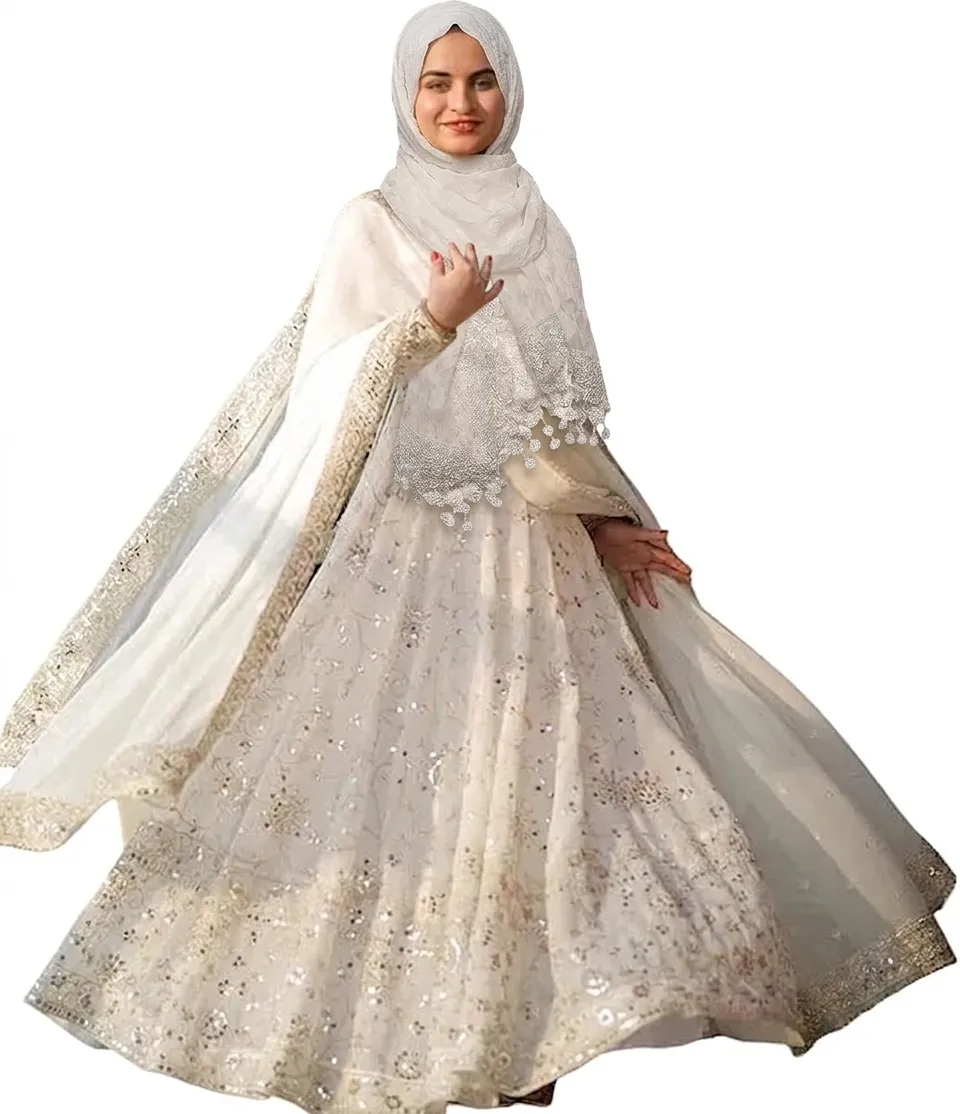
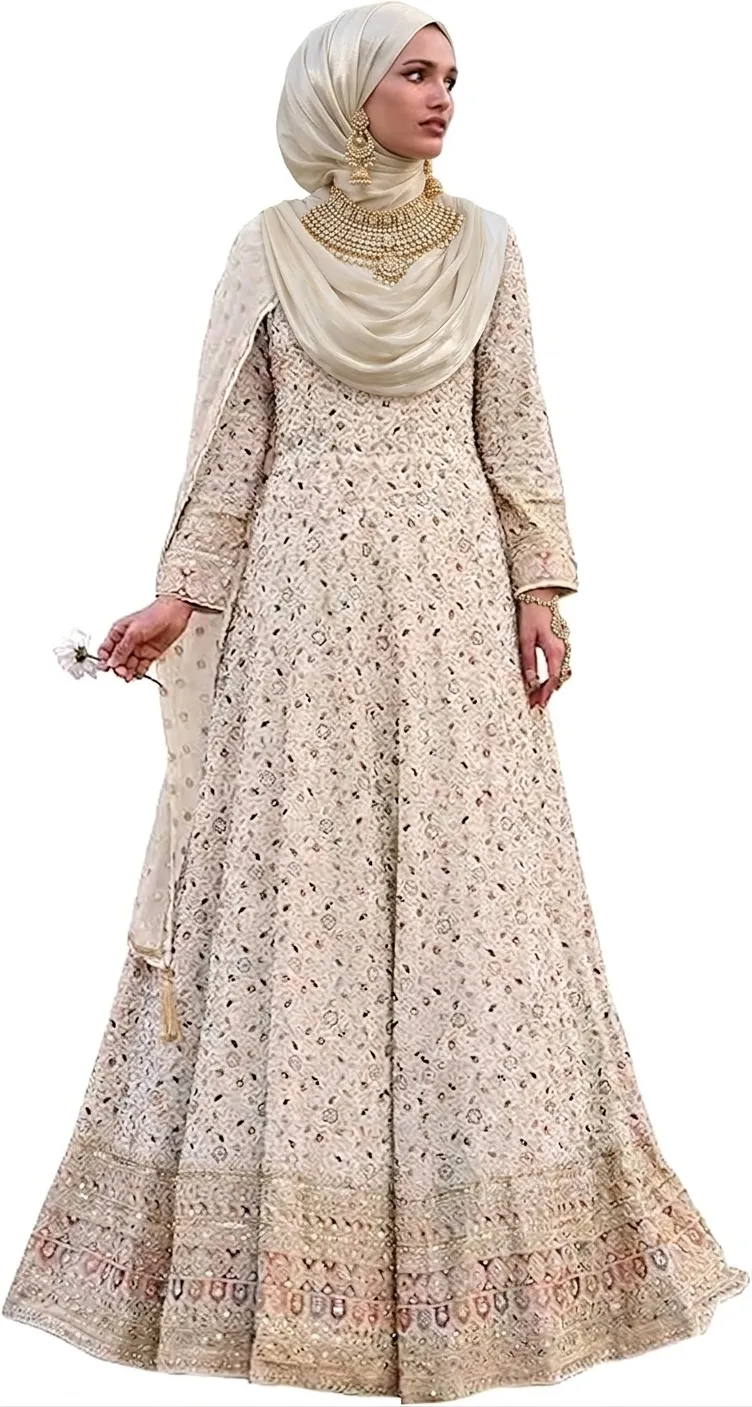
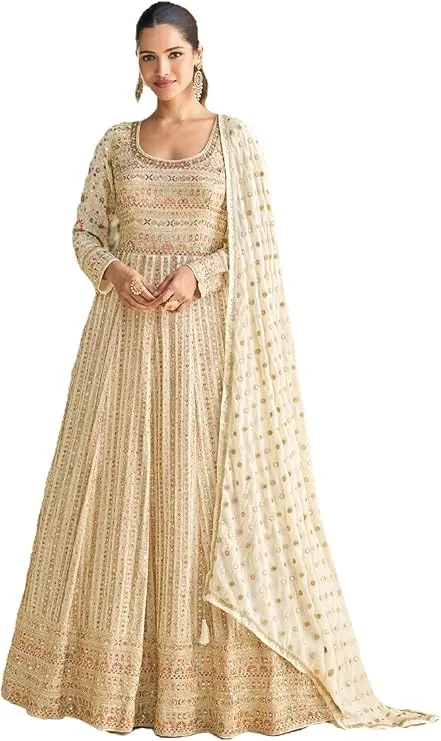
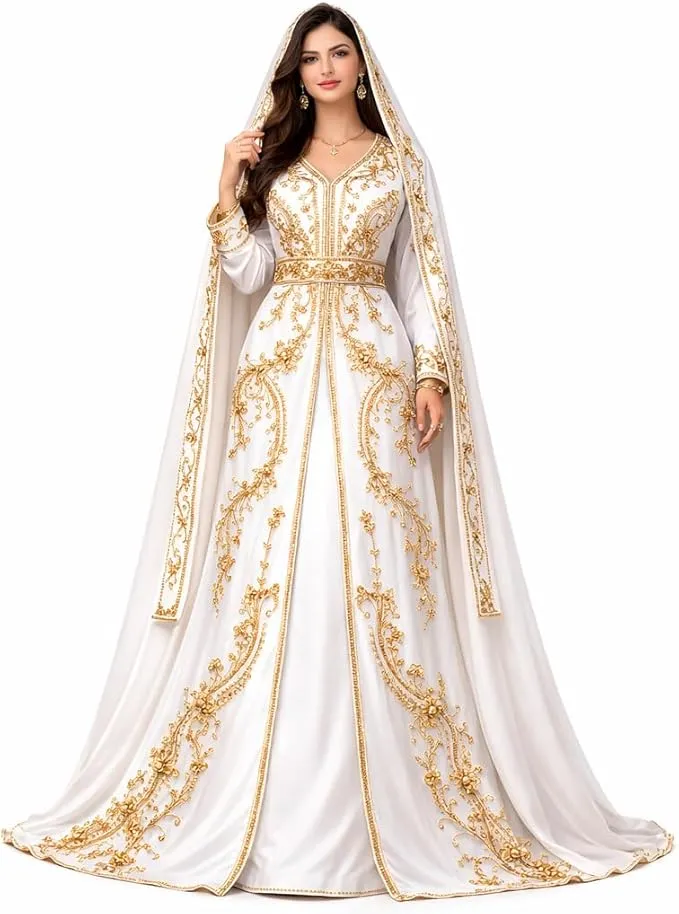
White Muslim wedding dresses in 2026 are defined by full-length, long-sleeved, hijab-friendly silhouettes that provide complete modest coverage without sacrificing elegance. The most popular white Muslim wedding dress styles in this collection include the anarkali — a flowing, flared gown with heavy beadwork — and the abaya-style wedding dress, a straight-cut floor-length garment with embroidered detail at the cuffs and hem. Both are hijab-friendly by construction and require no additional coverage beyond the bridal hijab included in or coordinated with the look. American Muslim brides are increasingly choosing white wedding dresses from Islamic fashion brands for the nikah ceremony, a shift from the traditional red or gold of South Asian Islamic wedding attire, reflecting the influence of Western bridal fashion on US Muslim wedding culture.
White Muslim bridal gowns in a modern modest style — featuring long sleeves, high necklines, and flowing skirts — are the dominant choice for nikah ceremony outfits among American Muslim brides who want a look that reads as both culturally grounded and contemporary. These white bridal gowns are available in georgette, chiffon, and net fabrics, each offering a different quality of movement and photography result. For brides planning their nikah ceremony outfits in a mosque setting, the abaya-style white bridal gown is the most culturally appropriate choice — its straight, covered silhouette meets the Islamic wedding attire standard of any setting.
Ramadan wedding trends in the US consistently show a preference for white, and those Ramadan wedding trends a preference for white and off-white nikah ceremony outfits among American Muslim brides who marry during the holy month. The simplicity and purity of white aligns with the spiritual significance of Ramadan wedding celebrations, and the availability of hijab-friendly white wedding dresses and white bridal gowns at accessible prices on Amazon makes this a practical as well as meaningful choice.
What Does the White Wedding Dress Mean in Islam?
A white wedding dress has no meaning in Islam — and that is precisely what makes it a meaningful choice for Muslim brides who wear one. Islamic wedding traditions speak to modesty, coverage, and the sincerity of the marriage contract. They say nothing about color. The cultural significance of white in wedding attire comes from Victorian England, not from any religious symbolism: when Queen Victoria wore white in 1840, she began a fashion trend that took a century to become the American bridal default. Normally when a Muslim bride chooses a white wedding dress she is making a purely personal statement — one rooted in her own vision of modernity, not cultural dilution. Many brides who choose white are drawn to its clean, contemporary aesthetic — a white Islamic bridal dress in silk or chiffon, worn with a coordinating hijab, reads as both modest and effortlessly current in the Middle East and America.
A Muslim bride in the American Muslim community who grew up watching American weddings, whose friends and colleagues associate white with the full weight of bridal occasion, may want to inhabit that aesthetic for her own nikah with added modest fashion principles. The deeper motivation for many brides who choose white is cultural exchange — the conscious decision to build a wedding that speaks to more than one community at once. In interfaith marriages and weddings where the guest list bridges South Asian, Middle Eastern wedding customs, and American secular backgrounds, a white gown serves as visual common ground. It communicates celebration and formality to every guest regardless of their cultural frame of reference, while the nikah structure, the bridal hijab, and the Islamic customs of the marriage contract keep the event grounded in faith.
Can a Muslim Have a White Wedding?
Muslims do have white weddings, but know that it is not an Islamic custom but a Western tradition that began in 1840 when the British Queen Victoria wore white at her marriage to Prince Albert, breaking with the convention of wearing colored wedding dress traditions. Before Victoria, white was not associated with weddings in Western traditions either. The tradition spread through European and American culture over the following century until a white wedding dress became the default expectation for American brides at Islamic marriage ceremonies, regardless of faith or background, even though white Muslim bridal attire can run into the thousands at a boutique. Note: Hijabi Bridal recognizes the fact that American white Muslim bridal attire is extravagant and offers alternatives.
For the Muslim wedding, the white Islamic bridal dress is very much present in Islamic marriage ceremonies. There is no Islamic ruling that requires or prohibits any particular color for a Islamic wedding dress — so white is very much seen as a part of Muslim American wedding customs. A white Muslim bridal dress that meets the Islamic standard of full coverage — bridal hijab, long sleeves, floor length, opaque fabric — is part of the American cultural exchange - in marriage. The color is borrowed from American culture; the modesty requirements come from the faith. This kind of cultural fusion is one of the defining features of American culture and is prevalent in interfaith marriages.
A nikah ceremony conducted with the proper witnesses, mahr, and offer and acceptance is a valid halal marriage regardless of whether the bride is following white, red, or gold wedding dress traditions. Wedding planners working with American Muslim culture and couples in the US confirm that the white wedding has become the dominant visual aesthetic for Muslim weddings in major US cities and destination weddings alike, especially for interfaith marriages — a clear example of cultural fusion between American bridal tradition and Islamic customs — even as the ceremony structure remains fully Islamic.
White weddings and interfaith marriage in the US Muslim community
Interfaith marriage in the US Muslim community adds another layer to the white wedding conversation. When a Muslim man marries a Christian or Jewish woman — a union permitted under Islamic traditions — the bride's cultural background often shapes the visual aesthetic of the wedding. A Christian or Jewish bride marrying into a Muslim wedding ceremony may bring her own expectation of a white wedding dress to the nikah ceremony, and this expectation is typically accommodated without conflict. The white Muslim bridal gown, in this interfaith marriage context, becomes a point of cultural exchange rather than a point of tension.
Wedding planners coordinating interfaith marriage celebrations frequently describe the white wedding as the visual common ground that allows both families to feel at home at the event. The bride in white is a reference both families recognize — the Muslim wedding ceremony and the American white wedding aesthetic can coexist at the same event. Multi-cultural events of this kind are a growing and celebrated feature of American Muslim culture in major US cities, where interfaith marriage between Muslim men and women of other Abrahamic faiths reflects the cultural exchange inherent to the halal marriage framework within a pluralistic society.
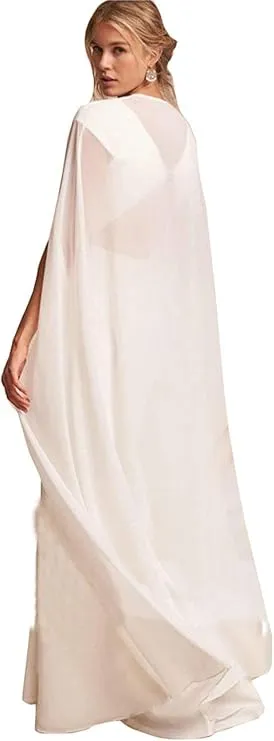
For bridal fashion purposes, the interfaith marriage context has expanded the range of white wedding dress styles acceptable at a Muslim wedding. Where the traditional Muslim wedding dress prioritizes abaya-style coverage and modest design, interfaith marriage celebrations sometimes incorporate Western bridal gown silhouettes with modest modifications — added sleeves, raised necklines, or a coordinating modest cape or bolero — creating white wedding looks that honor both the Islamic traditions of the nikah ceremony and the American bridal fashion sensibility of the bride's background. Multi-cultural events like these are increasingly featured in US bridal fashion media as examples of how American Muslim culture and halal marriage traditions continue to evolve within the broader American context.
White lehengas and shararas: traditional Pakistani bridal wear in white
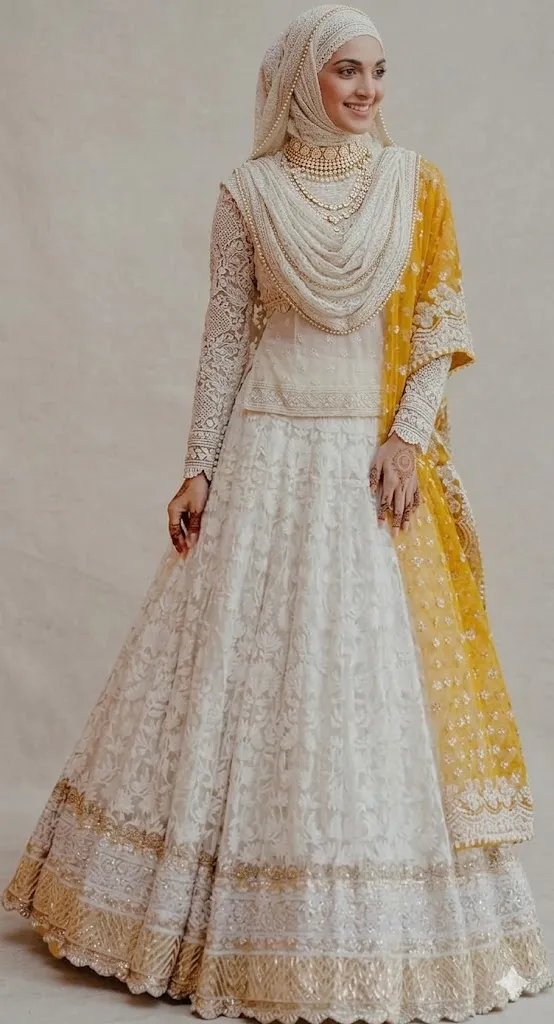
The white lehenga is one of the most striking modern choices for a Muslim bride in the US. Where traditional Pakistani brides have historically favored red for the nikah ceremony, American Muslim brides from Pakistani, Indian, and Bangladeshi backgrounds are increasingly adopting white and off-white lehengas as an expression of cultural fusion — honoring the craftsmanship of traditional Pakistani bridal wear while embracing the Western bridal color. A white Muslim bridal lehenga — one of the most refined modest designs in South Asian Islamic fashion — styled with a white bridal hijab, a white embroidered dupatta, and gold nikkah jewelry creates a cohesive, hijab-friendly look with deep traditional Pakistani roots and a contemporary American aesthetic.
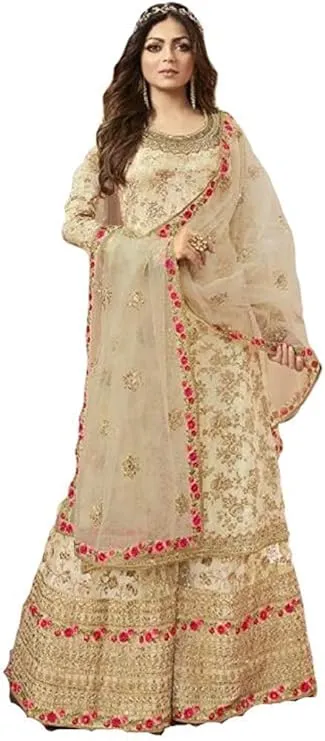
The white sharara suit — a wide-leg divided skirt worn with a long tunic — is the traditional Pakistani alternative to the lehenga for brides who prefer a more fluid silhouette. Like the lehenga, the white sharara is inherently hijab-friendly and abaya-style in its coverage because the long tunic covers the midriff completely, requiring only the addition of a bridal hijab to create a fully modest Islamic wedding attire look. Both the white lehenga and the white sharara in this collection feature embroidery and sequin detailing typical of traditional Pakistani bridal craftsmanship.
For US-based Muslim wedding planners advising South Asian brides, the white lehenga and white sharara are increasingly recommended as alternatives to the red nikah outfit — particularly for spring and summer weddings where the lighter color palette suits the season and the photographic conditions.
White bridal caftans: Arab and Moroccan Islamic wedding attire
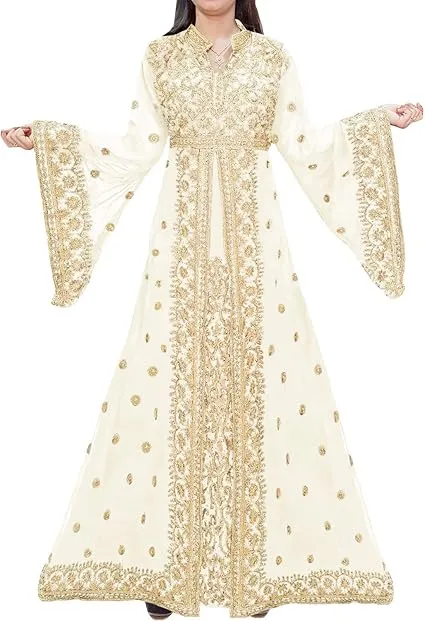
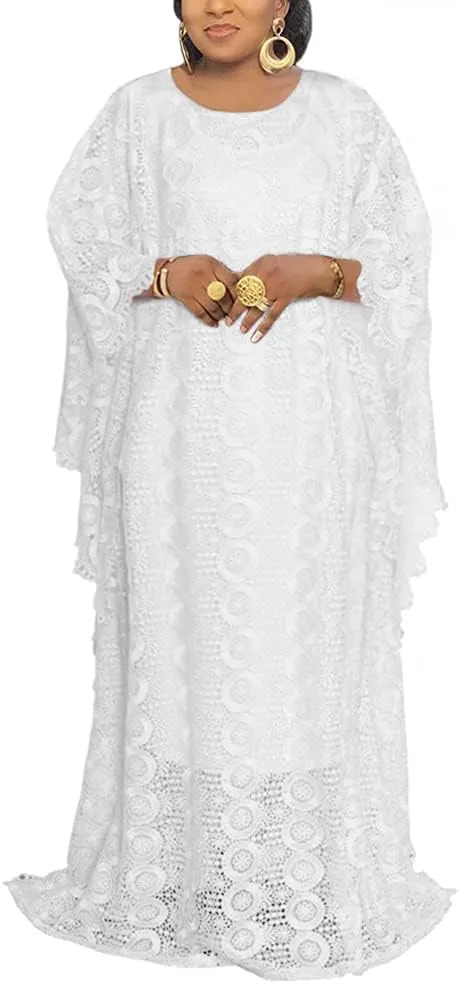
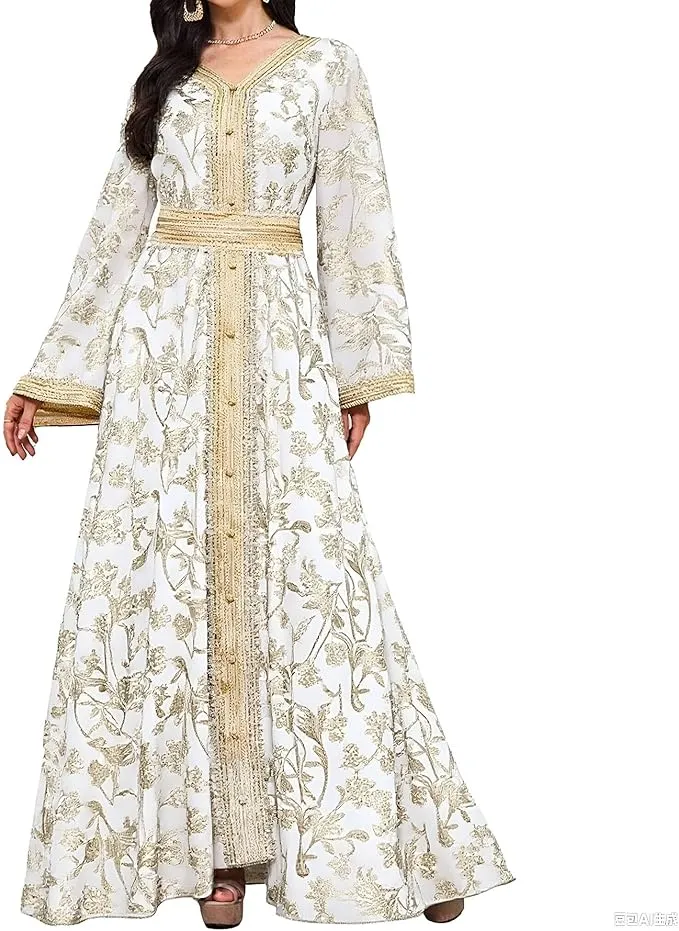
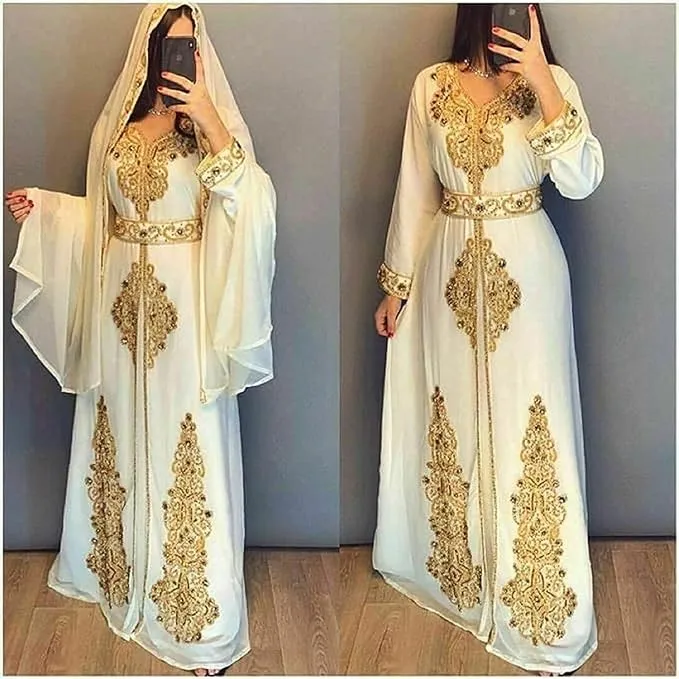
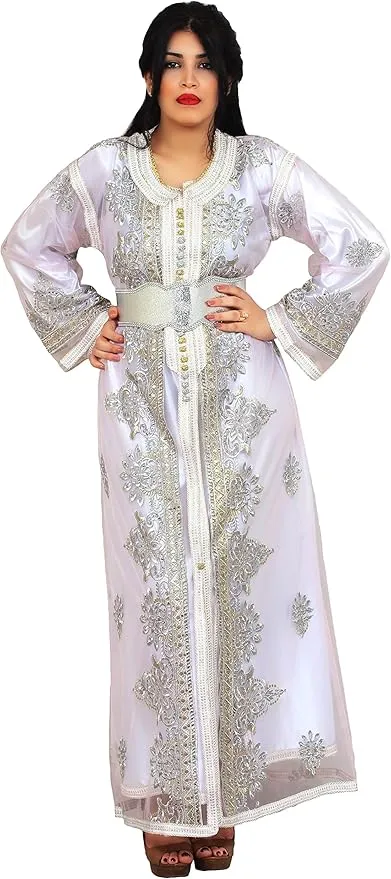
White Muslim bridal caftans represent the Arab and North African tradition of Islamic wedding attire — distinct from traditional Pakistani bridal wear but equally established in US Muslim wedding culture. The white caftan collection includes Dubai-style kaftans with gold embroidery and V-neck designs, Moroccan takchita two-piece sets with silver threadwork, and an African boubou in lace fabric — each reflecting different regional modest designs within the same Islamic wedding attire principle: full-length, long-sleeved, modest, and hijab-friendly.
The white Dubai kaftan and the white Moroccan wedding gown kaftan are the two most popular styles among Arab-American brides planning nikah ceremony outfits in the US. Both are abaya-style in their coverage — floor-length, long-sleeved, and fully opaque — but differ in embellishment level and silhouette. The Dubai kaftan is typically a single-piece design with a flowing silhouette and moderate embroidery. The Moroccan takchita is a two-piece layered structure with elaborate hand-stitched embroidery, making it the more formal of the two for grand wedding celebrations.
White caftans also serve as an elegant alternative for American Muslim brides who are not from South Asian or Arab backgrounds but want an abaya-style white bridal look that is culturally grounded, hijab-friendly, and distinct from the Western wedding gown. US-based Muslim wedding planners and Islamic fashion brands focused on modest bridal wear frequently recommend the white kaftan as a versatile, size-inclusive option that works across cultural backgrounds.
White bridal hijabs, dupattas, and accessories
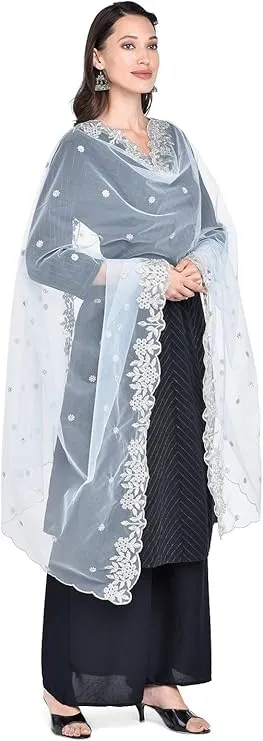
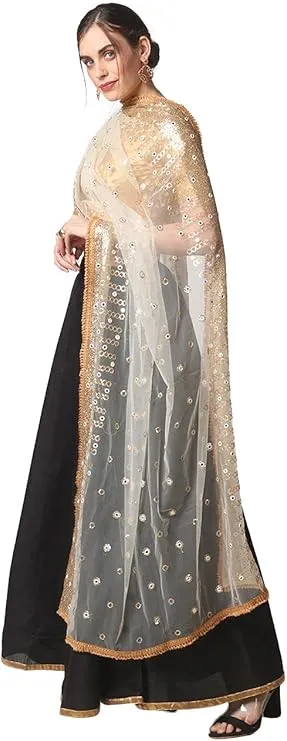
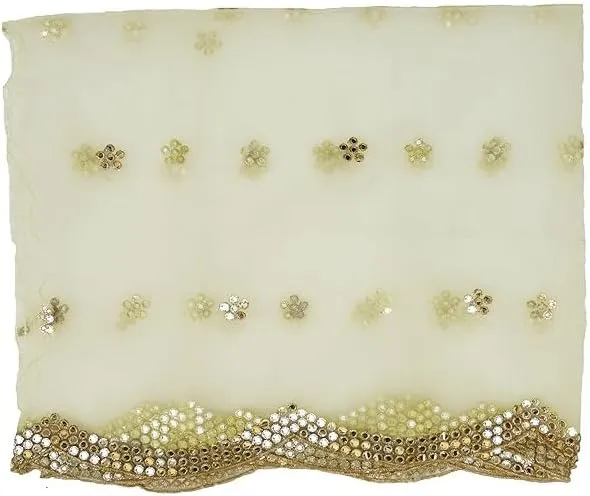
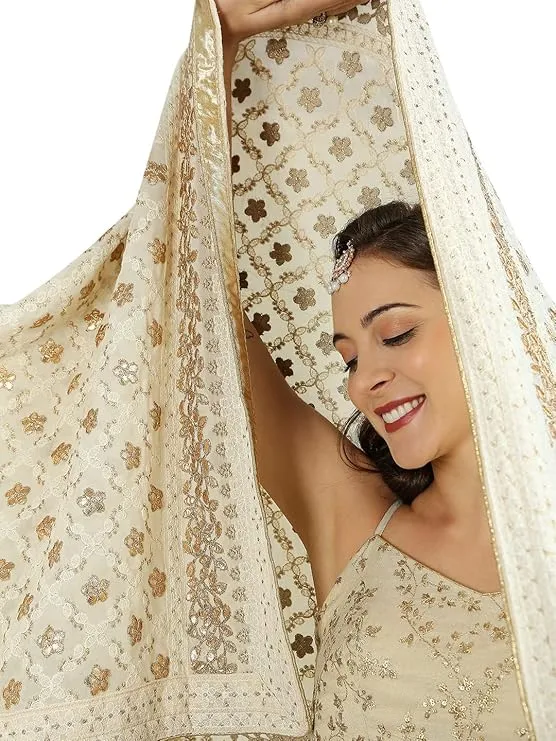
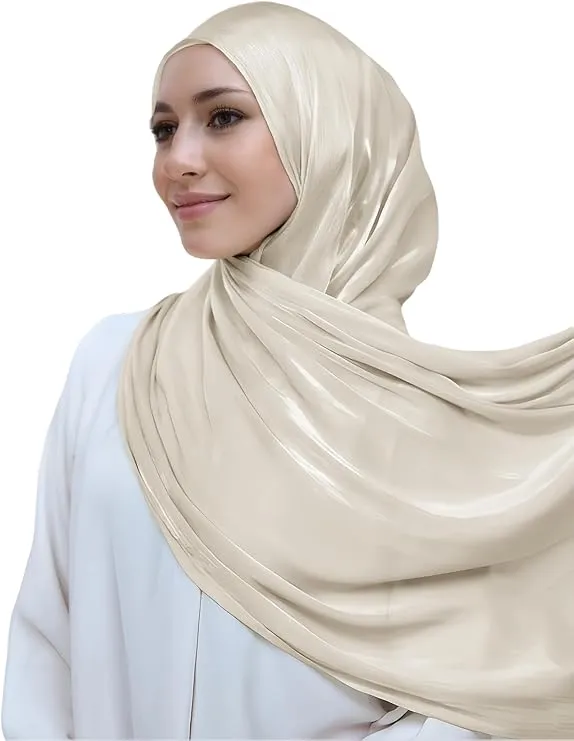
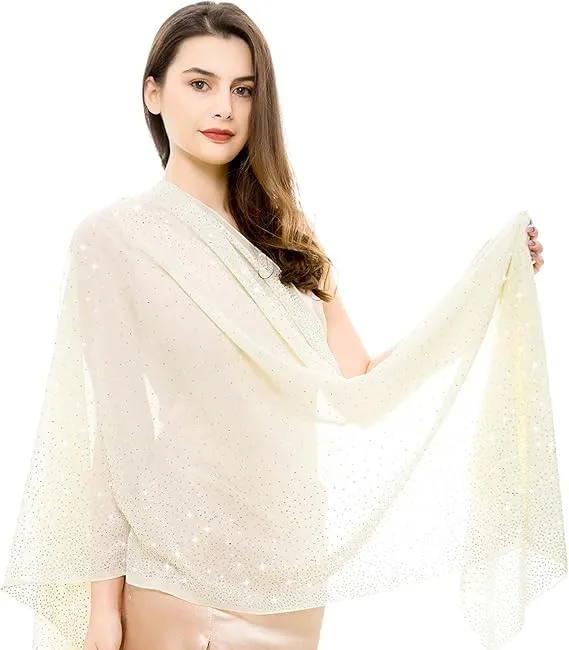
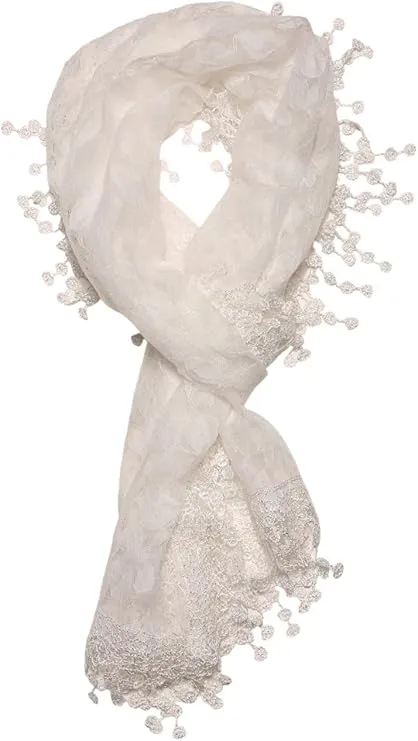
A complete white Muslim bridal look with hijab requires a coordinated head covering. The modest designs in this section reflect the full range of hijab-friendly coverage options available in white. The white collection includes off-white crepe bridal hijabs, off-white chiffon hijabs, and white net and embroidered georgette dupattas — each offering a different texture and styling approach for the hijab-friendly bride. The crepe hijab holds its shape through a long ceremony and suits brides who want a clean, structured look. The chiffon hijab drapes more softly and suits brides pairing their look with a flowing white bridal gown or lehenga. The embroidered georgette dupatta worn as a hijab creates the richest, most ceremonially layered hijab-friendly look — particularly popular among traditional Pakistani brides.
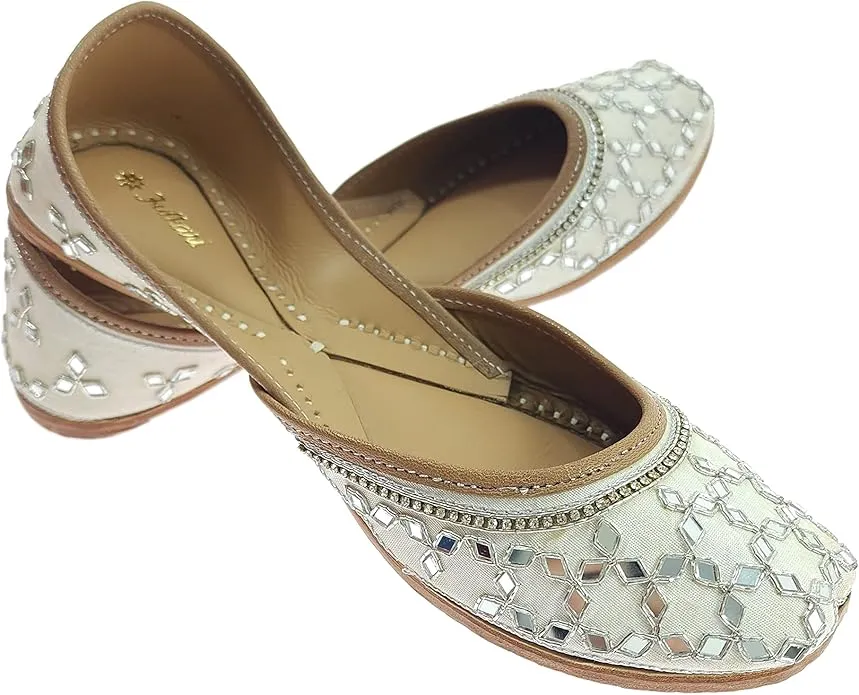
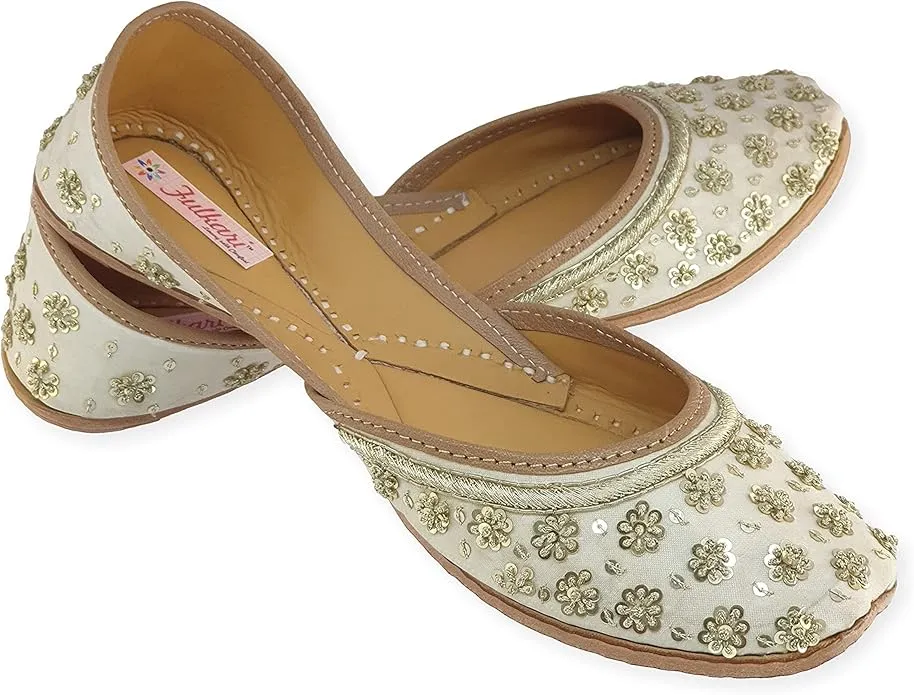
White jutti — the traditional flat shoe — are among the most practical modest designs for completing the bridal look below the hem. This collection includes white-and-silver juttis anvd white-and-gold juttis, both with embroidered uppers that coordinate with the embroidery on white Muslim wedding dresses and lehengas. The jutti is an abaya-style choice in the footwear sense — it keeps the bride low to the ground, comfortable throughout a long ceremony, and true to the modest, unhurried aesthetic of Islamic wedding attire.
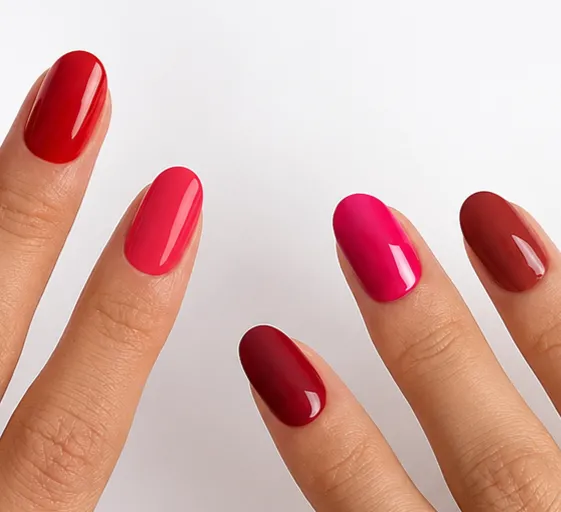
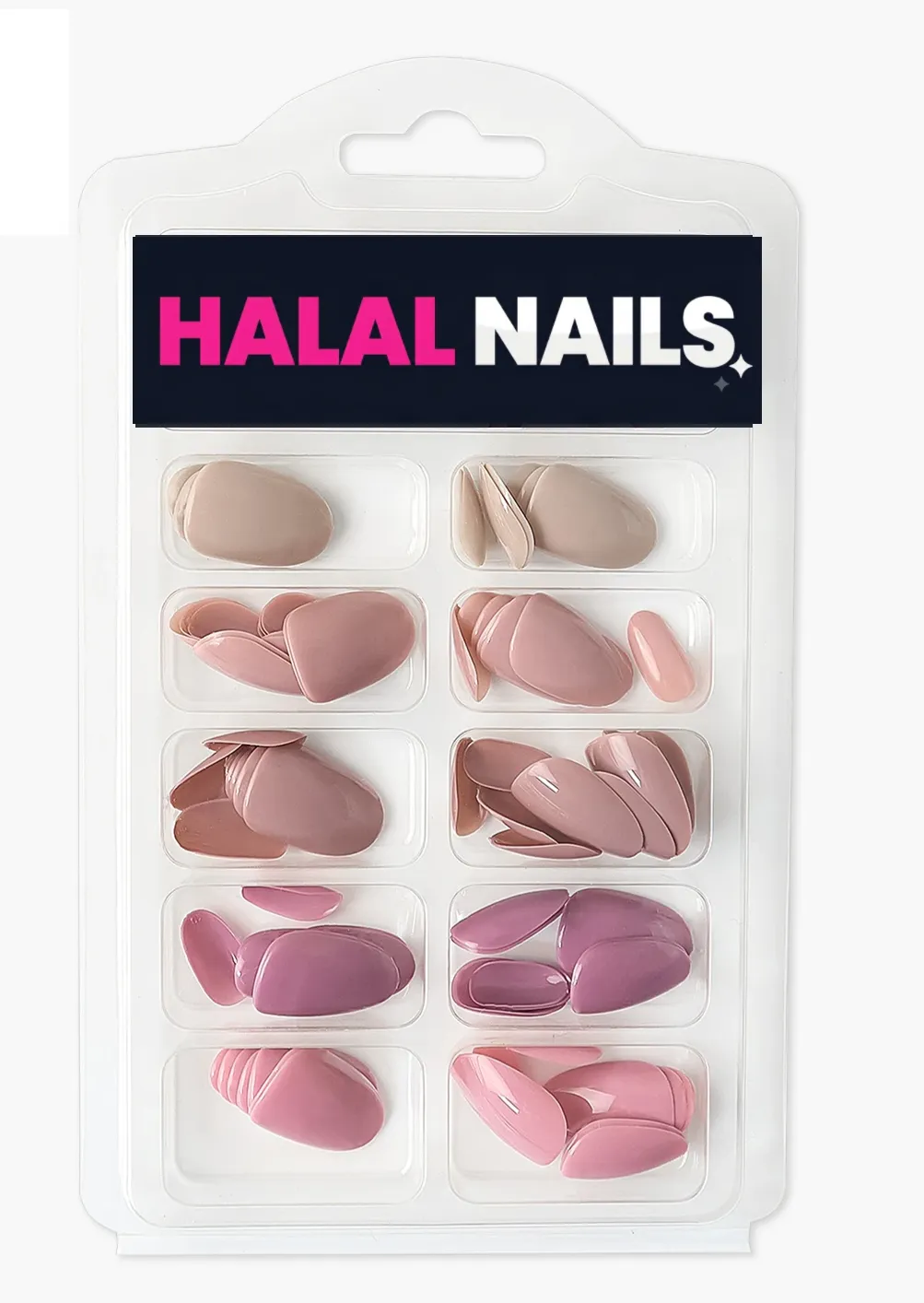
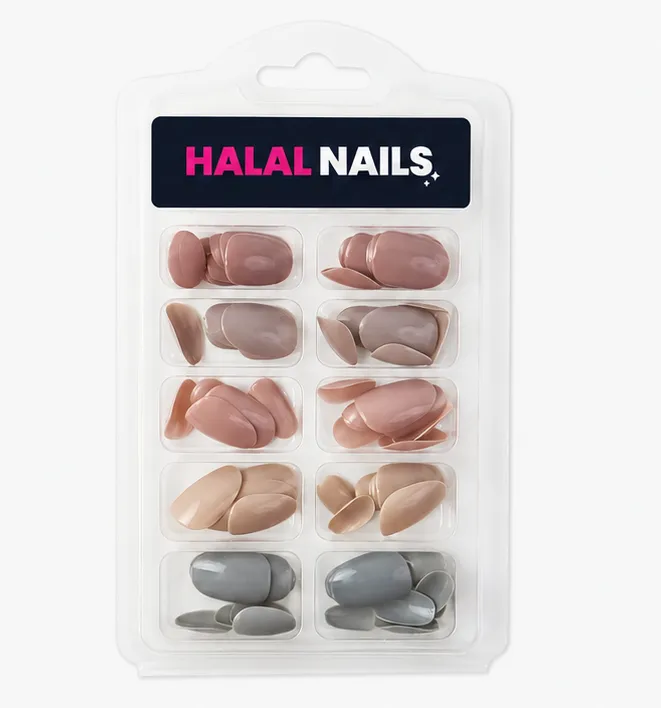
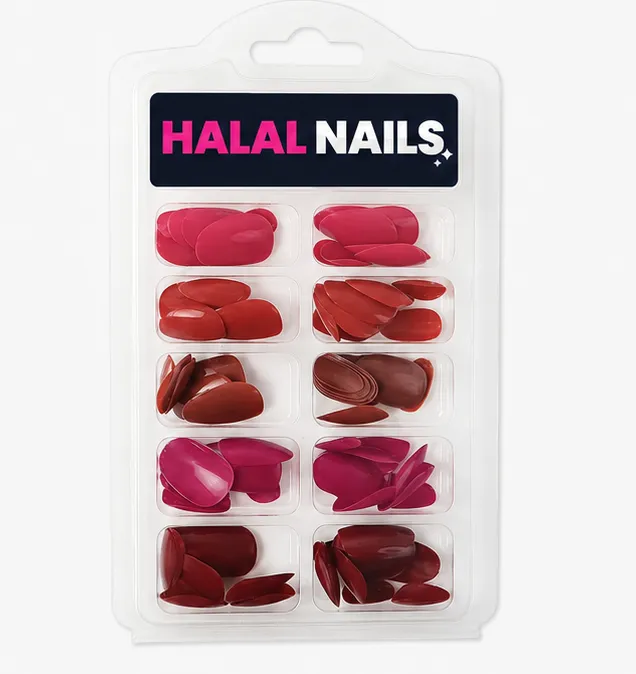
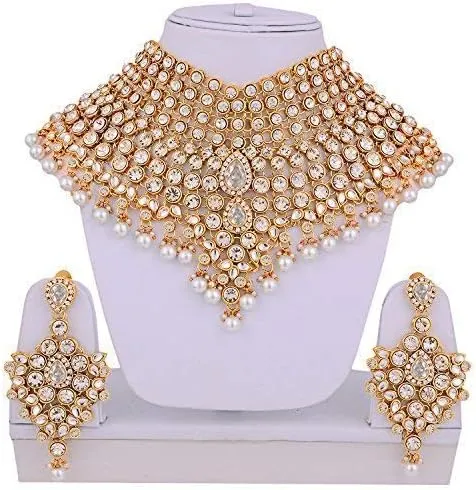
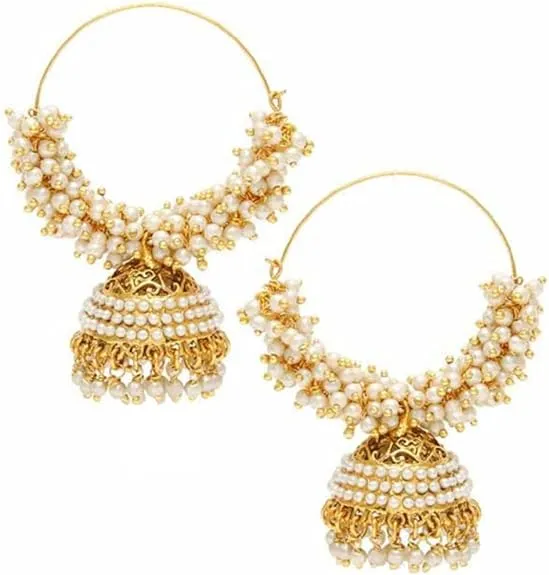
Halal nails in white complete the bridal look at the detail level. White cat-eye press-on nails and transparent white halal press on nails from this collection are wudu-friendly halal beauty products that allow the bride to maintain her nail care routine through the day without compromising her ability to perform prayer. Halal beauty products like these are an increasingly important category for American Muslim brides who want every element of their bridal look — from dress to accessories to nail care — to be consistent with Islamic fashion values. White nikkah jewelry — the bridal white necklace set and Indian bridal jhumka earrings — completes the look with pieces that coordinate with any white or off-white bridal outfit.
White Muslim bridal price guide: what to budget in 2026
White Muslim bridal price points in 2026 span a wide range depending on the garment type, fabric, and embellishment level. Understanding the white Muslim bridal price landscape before shopping helps American Muslim brides doing wedding planning in the USA allocate the bridal fashion budget efficiently across all the elements of the wedding dress, accessories, and halal beauty products needed for a complete white wedding look.
For white Muslim wedding dresses — anarkalis, abaya-style gowns, and bridal kaftans — the white Muslim bridal price range on Amazon runs from approximately $60 for lightweight chiffon styles to $200 for heavily embroidered georgette or beadwork gowns. White bridal lehengas follow a similar white Muslim bridal price structure: readymade georgette lehengas with embroidery start around $80, while heavily embroidered sets reach $200. These white Muslim bridal price points are significantly lower than comparable modest wedding dress options from Western bridal boutiques, which frequently exceed $1,000 for long-sleeved, high-neck styles — making the Muslim wedding a far more accessible celebration for the US Muslim community than mainstream bridal fashion media often suggests.
White accessories — jutti, nikkah jewelry, bridal hijabs, dupattas, and halal nails — add $10 to $150 to the total bridal fashion budget depending on how many pieces are needed. These white Muslim bridal price points make it possible to build a complete, cohesive white wedding look around $300 — a budget that serves the US Muslim community's broad range of economic circumstances and reflects the accessibility that Amazon makes possible. Multi-cultural events and interfaith marriage celebrations with larger guest lists often benefit most from this budget flexibility, as the savings on the bridal look can be redirected to the celebration itself.
Frequently Asked Questions
What is the best white Muslim bridal for 2026?
The best white Muslim bridal for 2026 is fully hijab-friendly, modest in silhouette, and drawn from the diverse traditions of Islamic wedding attire. For American Muslim brides from South Asian backgrounds, a white lehenga or sharara styled with a white bridal hijab and gold nikkah jewelry is the leading choice. For Arab-American brides, a white Dubai kaftan or white Moroccan takchita wedding gown is the most culturally resonant option. For brides who prefer a modern modest look, an abaya-style white Muslim wedding dress in georgette or chiffon with long sleeves and a high neckline is the strongest choice for nikah ceremony outfits in 2026.
What does the white wedding dress mean in Islam?
A white wedding dress has no meaning in Islam — Islamic wedding traditions govern modesty and coverage, not color. White's cultural significance in wedding attire comes from Victorian Western tradition, not from any religious symbolism. A Muslim bride who chooses white is making a personal statement rooted in her vision of modernity and cultural exchange with the American bridal aesthetic she has grown up in. As long as the dress meets modest fashion standards — full coverage, opaque fabric, floor length — it is as valid for a nikah ceremony as any other color.
Is white an appropriate color for a Muslim wedding?
White is appropriate for a Muslim wedding and is increasingly the preferred color for nikah ceremony outfits among American Muslim brides. While traditional Pakistani and South Asian Islamic wedding attire has historically favored red or gold for the nikah, white carries the values of modesty and simplicity that are central to Islamic wedding tradition and is now widely embraced across Arab, South Asian, and convert Muslim communities in the US. White Muslim wedding dresses and white bridal gowns are among the most purchased items in the US Muslim bridal market due to multicultural environments.
What hijab-friendly white bridal options are in this collection?
This white collection includes hijab-friendly options across every bridal product category: white Muslim wedding dresses with long sleeves and high necklines, white lehengas and shararas from traditional Pakistani bridal tradition, white abaya-style caftans in Dubai and Moroccan styles, off-white and white bridal hijabs in crepe and chiffon, white and embroidered dupattas, white jutti, white halal beauty products (cat-eye and transparent press-on nails), and white nikkah jewelry. All are available on Amazon with US shipping.
What is the difference between a white Muslim wedding dress and a white abaya-style gown?
A white Muslim wedding dress is a broad category that includes any long-sleeved, floor-length, hijab-friendly wedding gown designed for Islamic wedding attire standards. An abaya-style gown is a specific silhouette — straight-cut, loose-fitting, and floor-length — that mirrors the construction of a traditional abaya. Both are fully modest and hijab-friendly, but the abaya-style is more minimalist in construction while other white Muslim wedding dresses may feature more structured or flared silhouettes. For mosque settings and nikah ceremony outfits, the abaya-style is the most universally appropriate choice.
What is the white Muslim bridal price range on Amazon?
The white Muslim bridal price points make it possible to build a complete, cohesive white wedding look that costs between $250 and $350 — a budget that serves the US Muslim community's broad range of economic circumstances and reflects the accessibility that Amazon makes possible.
Can a Muslim have a white wedding?
Yes — and many do. The white wedding is not an Islamic tradition. It is a European custom that began in 1840 when Queen Victoria wore white at her marriage to Prince Albert, breaking with the convention of wearing colored ceremonial dress. Before Victoria, white was not associated with weddings in Western culture either. The tradition spread through European and American culture over the following century until a white wedding dress became the default expectation for American brides regardless of faith or background.
What halal beauty products are available in white in this collection?
This collection includes two white halal beauty products: white cat-eye hijabi press-on nails and transparent white hijabi press-on nails. Both are wudu-friendly halal beauty products — they are applied with adhesive tabs rather than permanent glue, allowing the bride to remove them before prayer and reapply after without compromising the validity of her wudu. Halal beauty products like these are an important part of a complete hijab-friendly, abaya-style bridal look for American Muslim brides.
What white jutti styles are available for Muslim brides?
This collection includes two white jutti styles: white-and-silver embroidered jutti slippers and white-and-gold sequined jutti slippers. Both are flat, traditional South Asian shoes that complement white Muslim wedding dresses, white lehengas, and white caftans. The white-and-silver style coordinates with silver nikkah jewelry and silver bridal hijabs, while the white-and-gold style pairs with gold nikkah jewelry and gold-embroidered dupattas. Jutti are hijab-friendly footwear in the sense that they are modest, flat, and appropriate for mosque settings.