Green Collection
Why would a bride wear green?
Green Muslim bridal wear is in a color that carries the deepest spiritual meaning for Muslim brides who choose it. There is a spiritual cultural significance of green as it holds a uniquely sacred place in Islam, being widely regarded as the favorite color of the Prophet Muhammad (peace be upon him). A green Muslimm wedding dress shows love for the Prophet (pbuh) and a connection to Islamic wedding traditions that no other bridal color carries in quite the same way. For Muslim brides in the United States who want their wedding look to reflect both beauty and faith, green is among the most meaningful choices available. READ MORE BELOW...
Why do Muslim Brides Wear Green?
In Islamic wedding traditions, green is the Muslim bridal color most closely associated with the Prophet Muhammad (peace be upon him). It is the color of paradise (jannah). For a Muslim bride choosing her Islamic bridal attire, there is a spiritual and cultural significance of green that red, white, or any other bridal color simply does not have. Wearing green Muslim bridal attire on the day of the nikah is, for many Muslim brides, a quiet declaration of love for the Prophet (pbuh) and gratitude for the blessing of marriage.
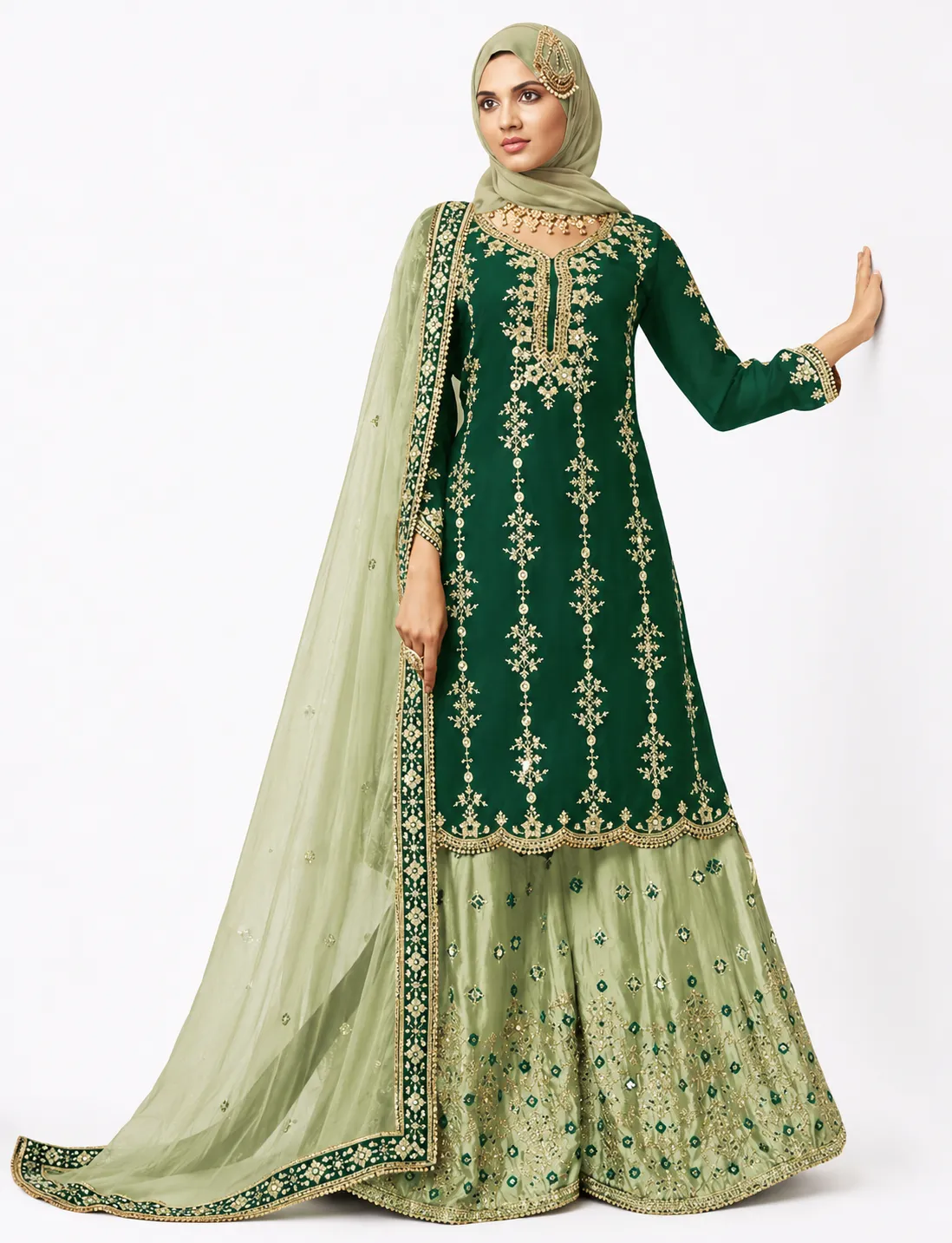
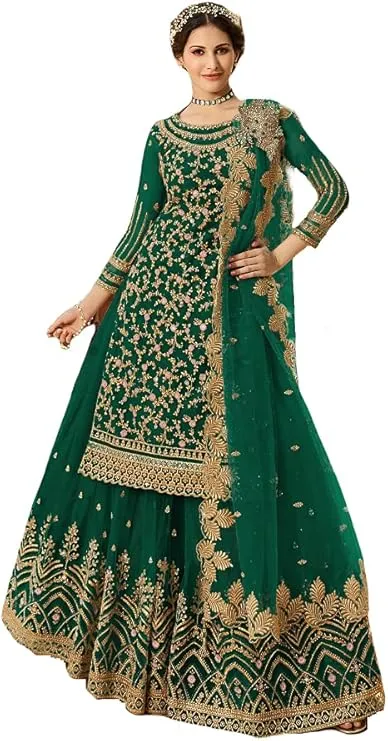
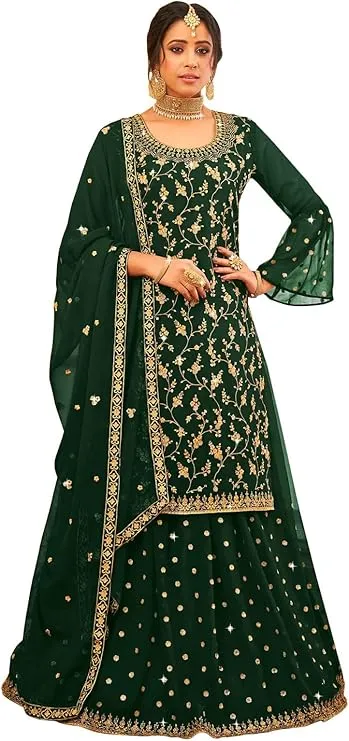
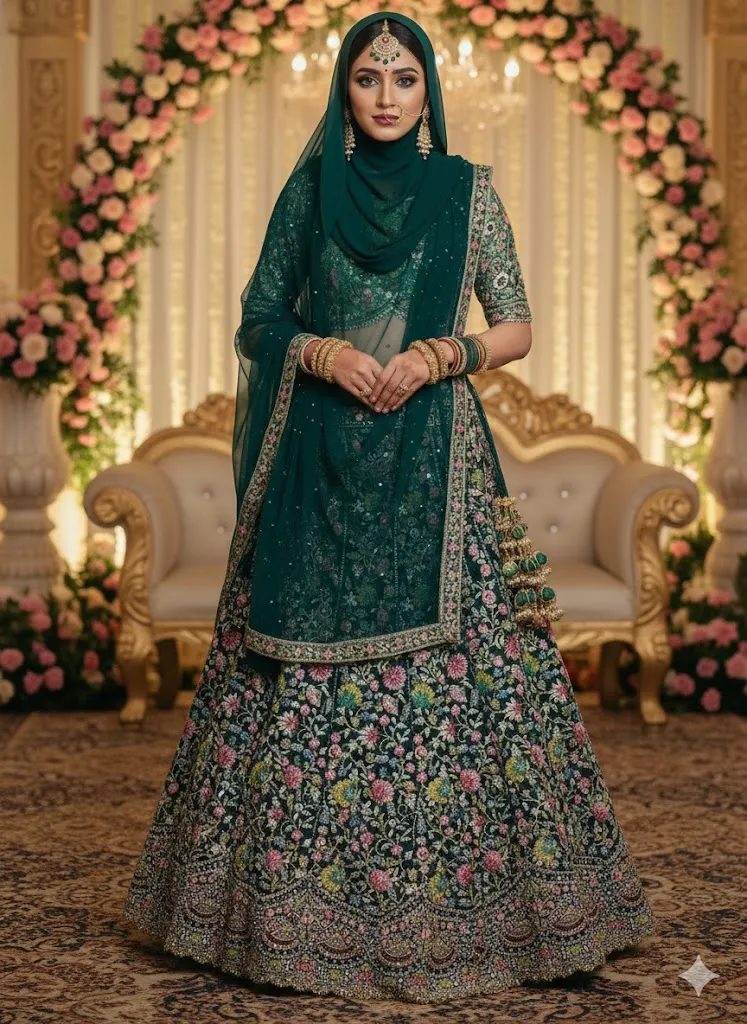
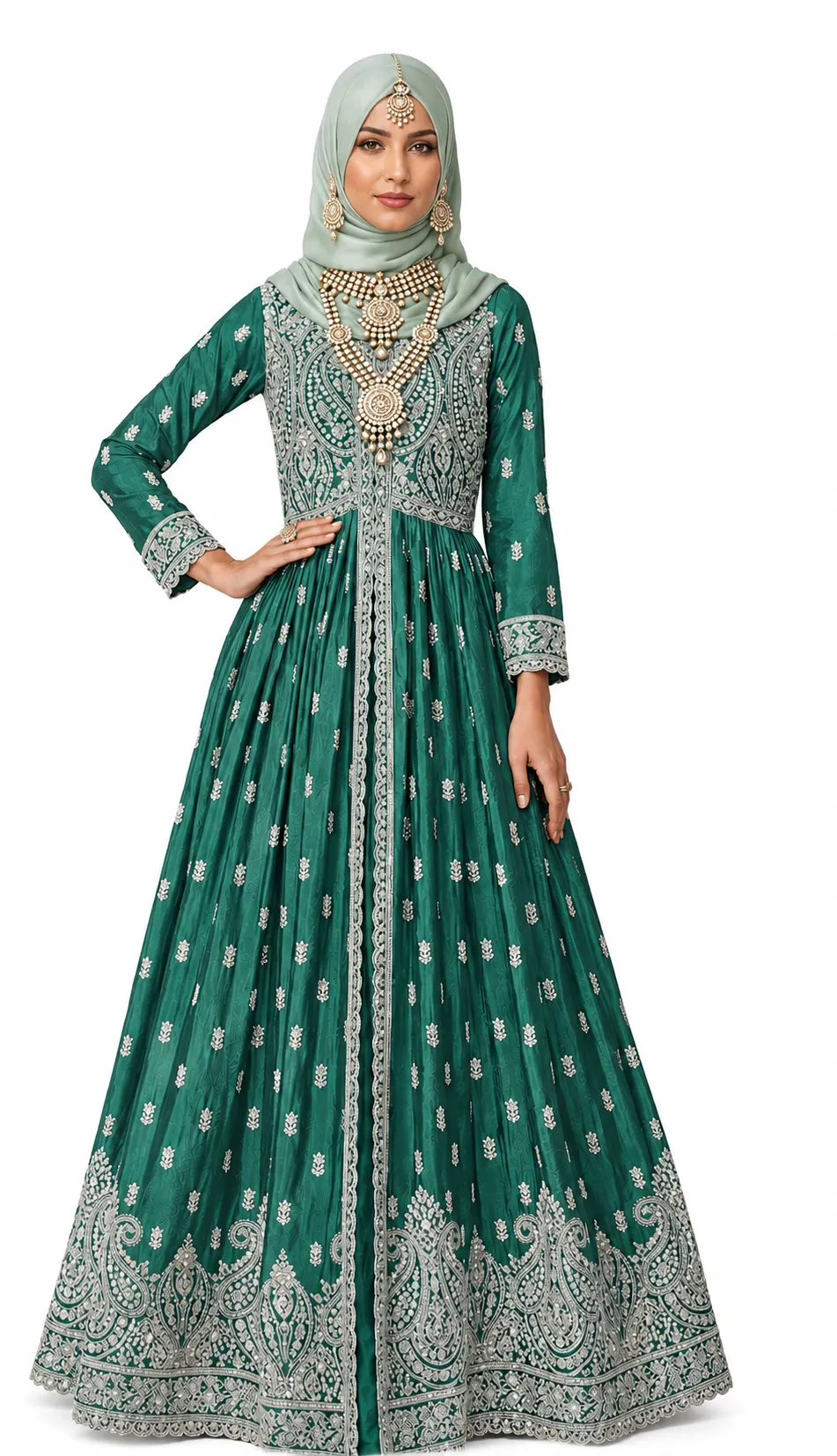
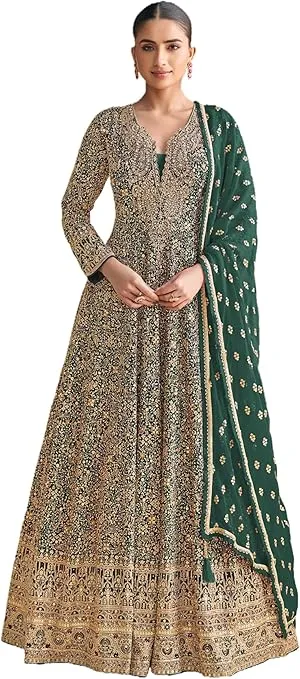
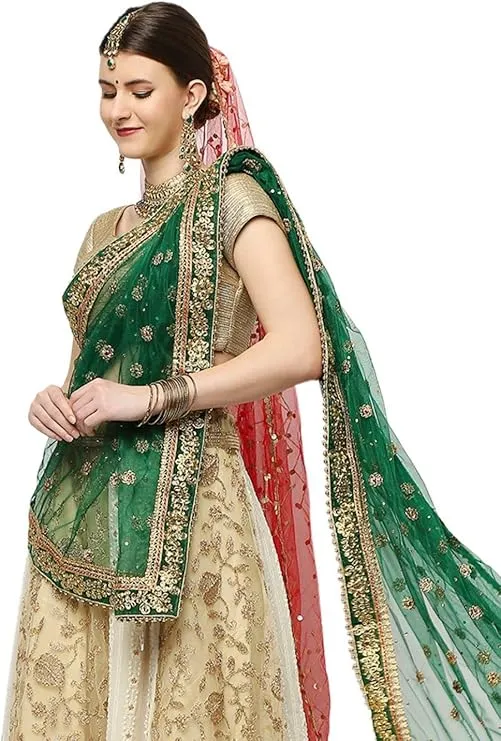
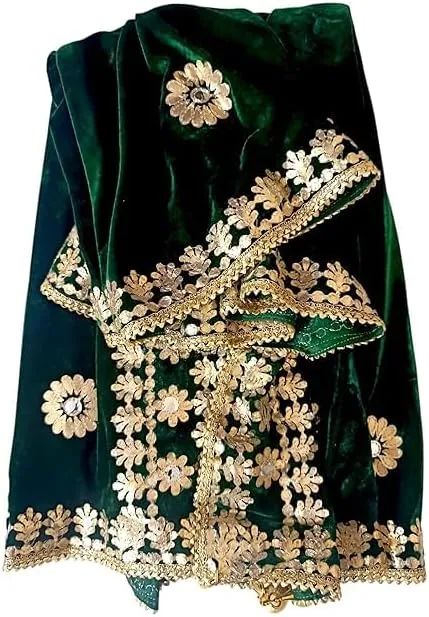
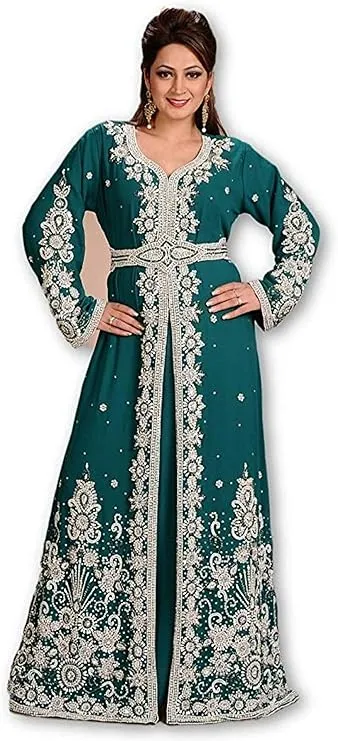
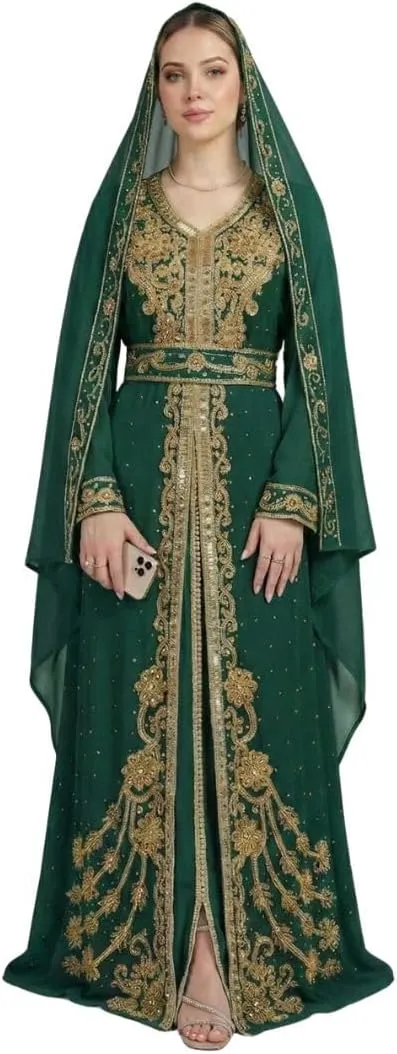
Beyond its religious significance, green has deep roots in the cultural wedding traditions of South Asian and Middle Eastern wedding fashion. In Pakistani wedding customs and Indian Muslim bridal wear, green — particularly deep emerald and forest green — has been a celebrated bridal color for centuries, appearing in embroidered green Muslim bridal lehengas, shararas, and bridal caftans adorned with gold zardozi (metallic threadwork) that catches light magnificently against the rich fabric. Emerald green bridesmaid dresses are also extremely popular, when bridesmaids are part of the photograph session.
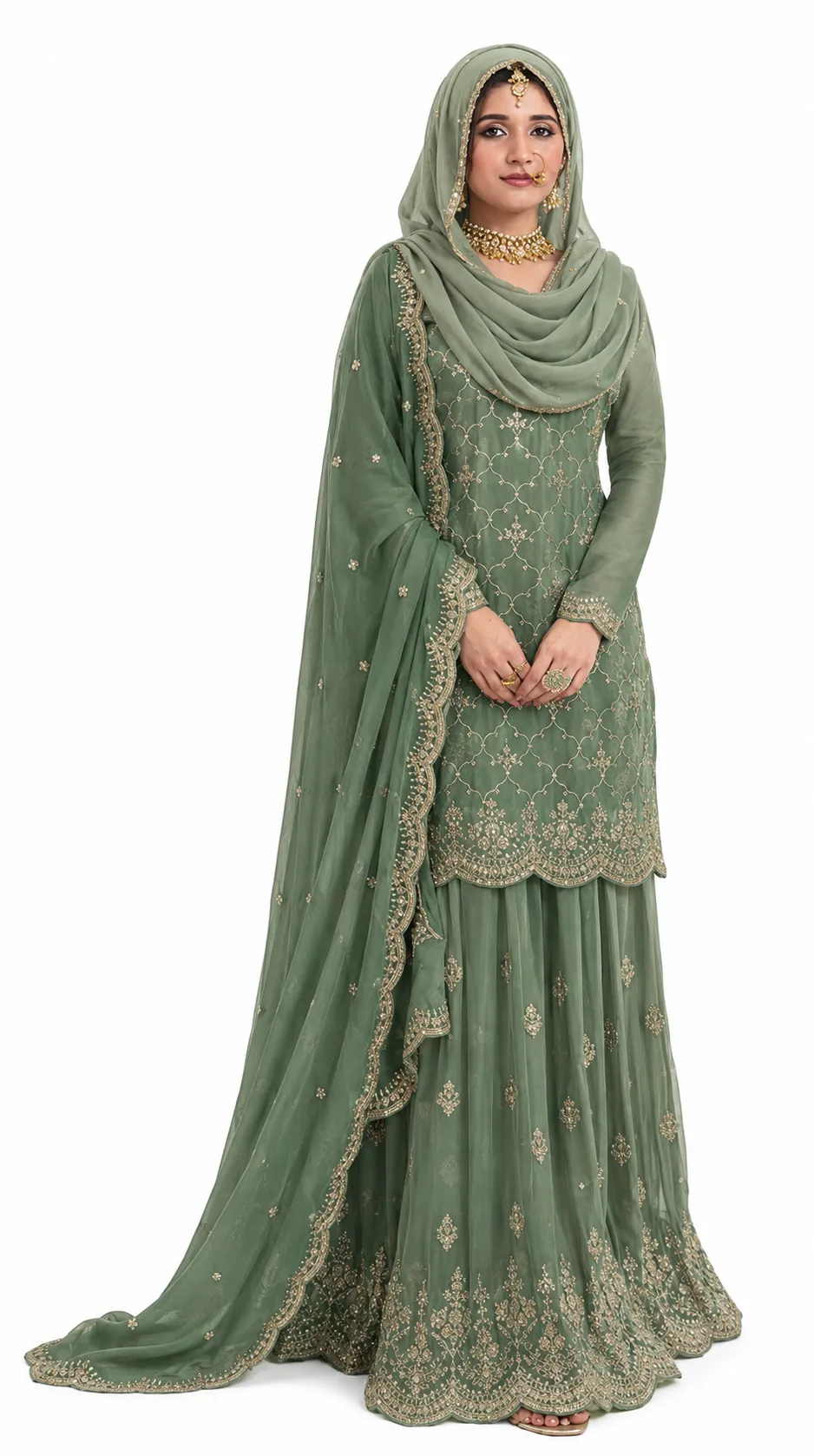
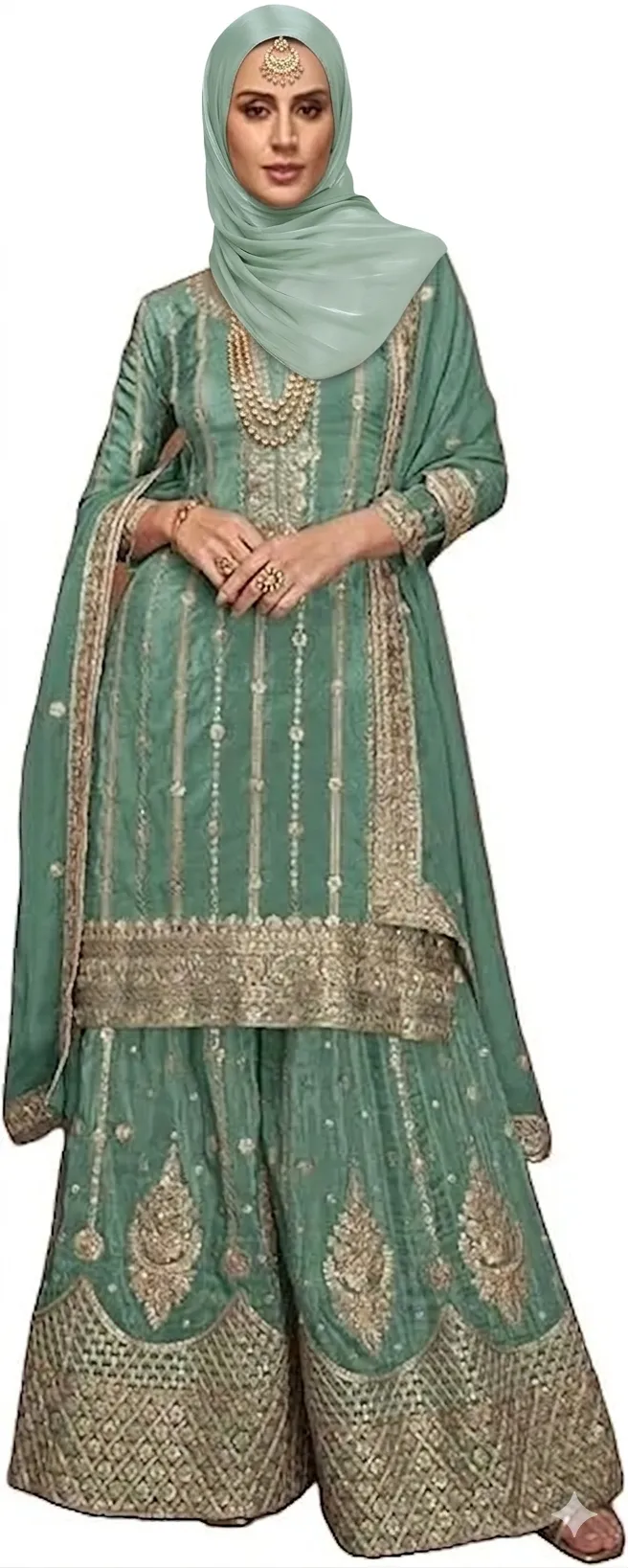
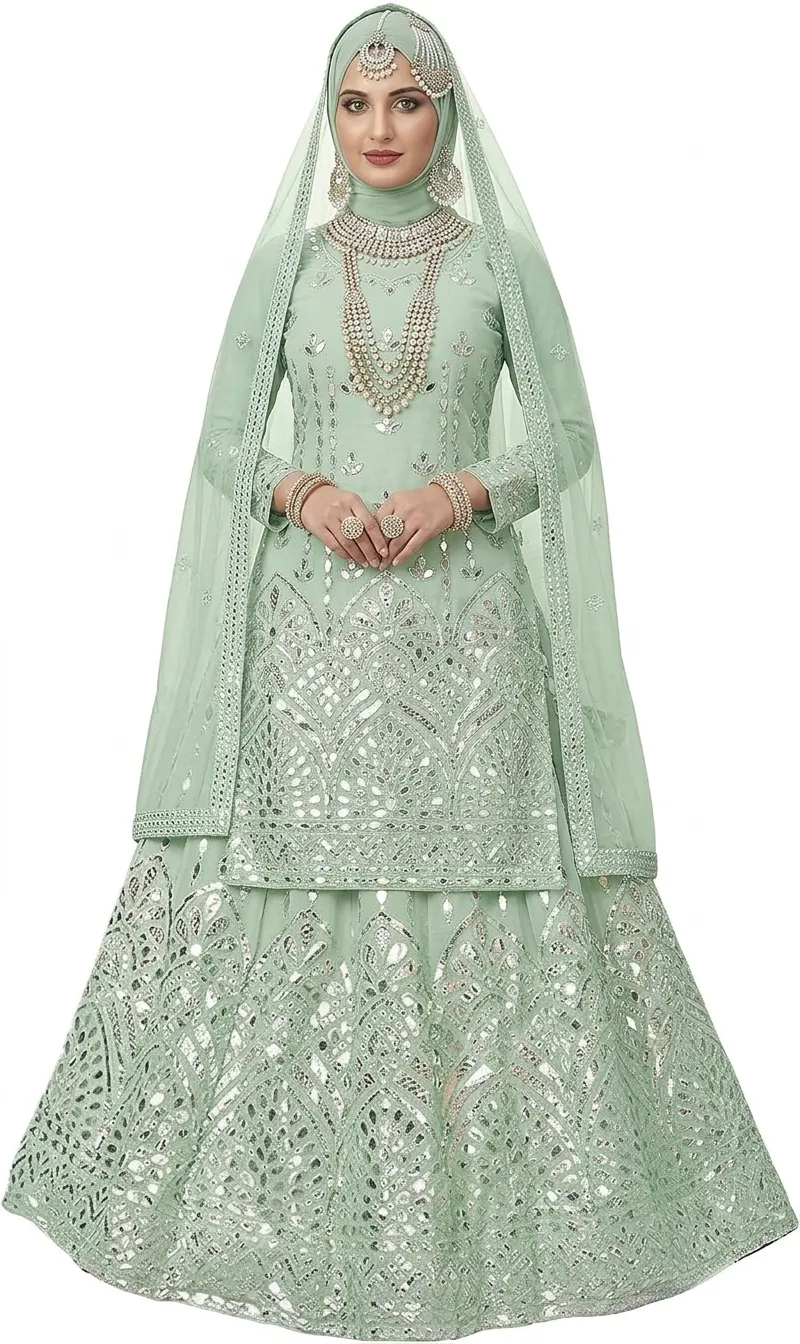
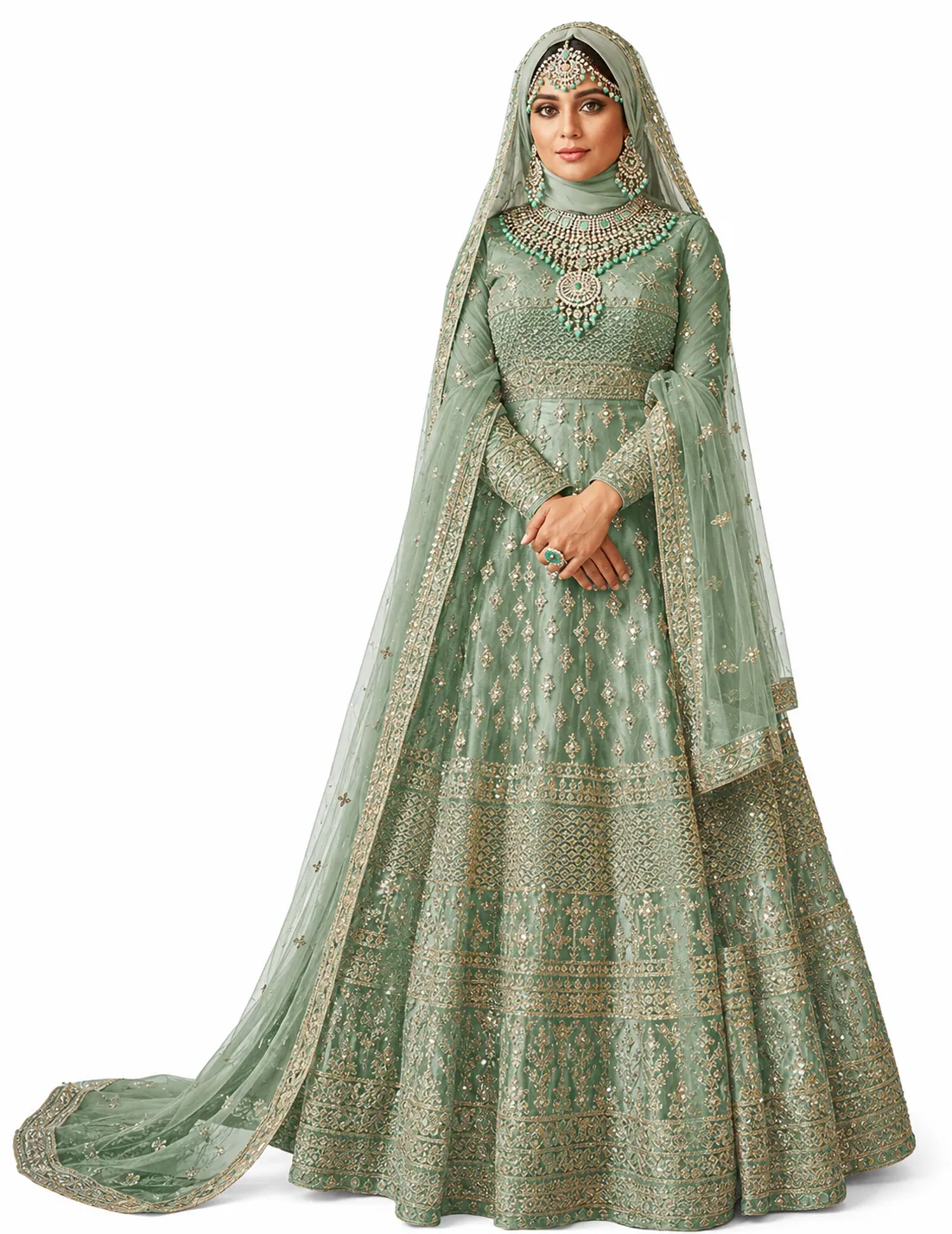
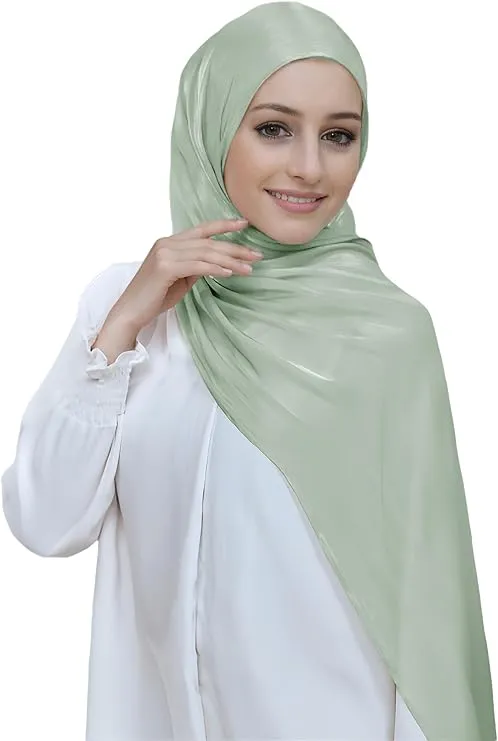
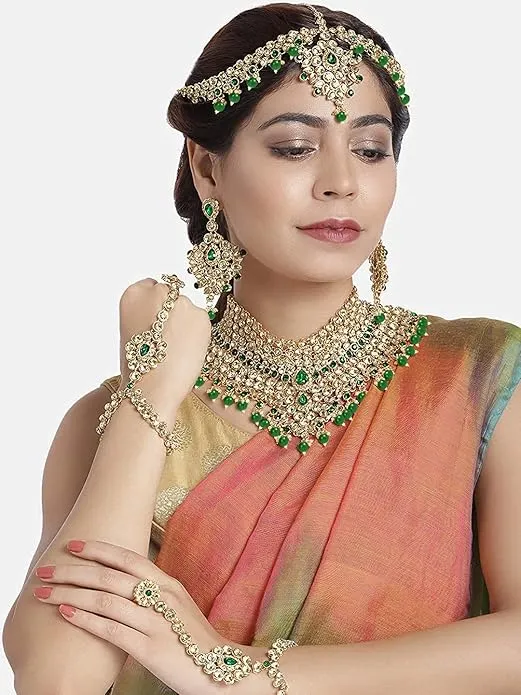
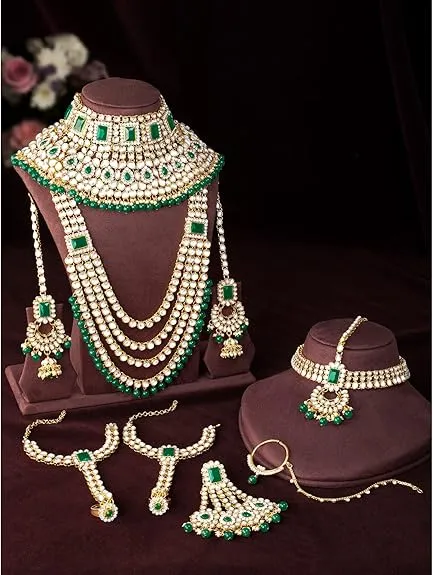
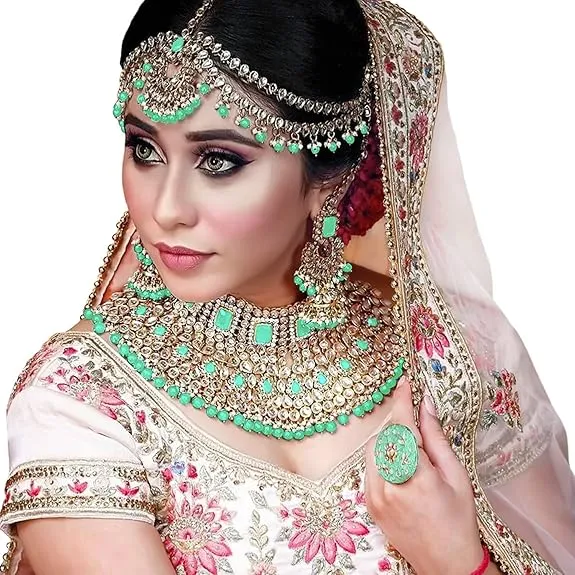
In the United States, Muslim brides are increasingly choosing sage green, following USA Muslim wedding trends, for their nikah or walimah looks as an expression of cultural identity, Islamic faith, and personal style. The green Muslim wedding dress — whether a deeply embroidered lehenga, a flowing bridal caftan, or a sharara set — when paired with green gemstone jewelry, has become one of the most striking and photographed choices in Islamic bridal attire.
What Color Do Muslim Brides Wear for a Wedding?
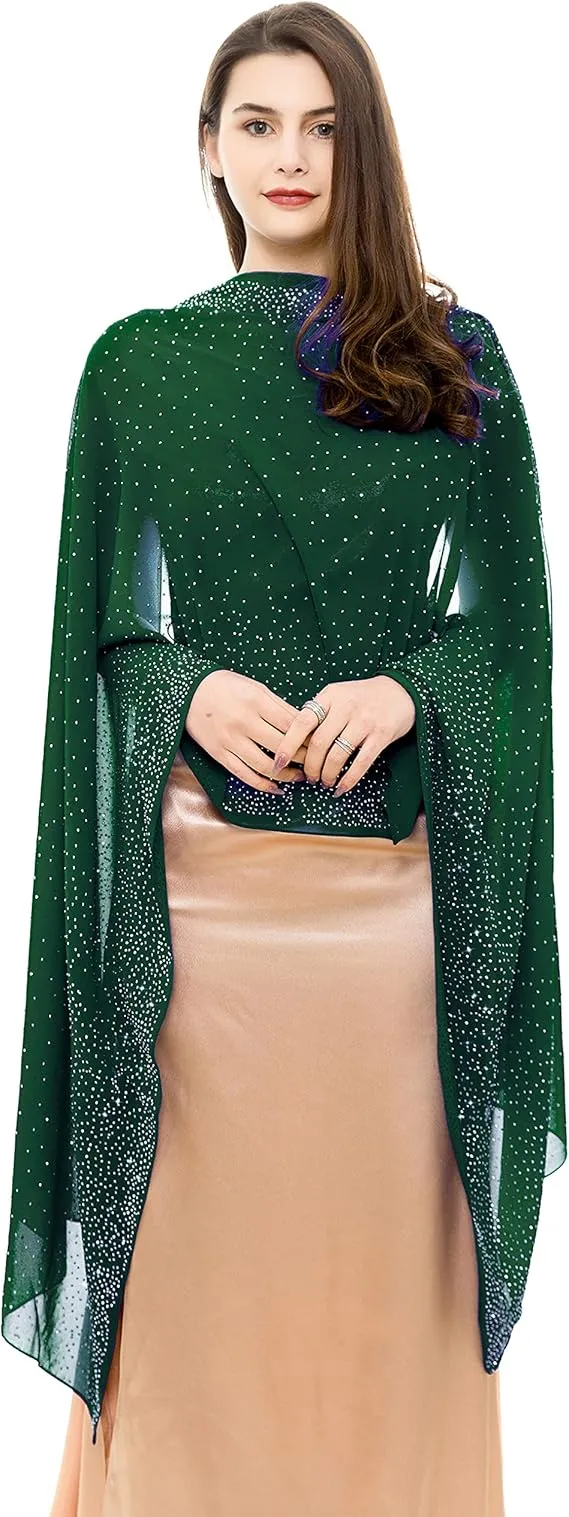
When exploring the question of what color do Muslim brides wear for a wedding, the dark green Muslim bridal aesthetic has become a premier choice for those seeking a look rooted in deep cultural significance. In many Islamic traditions, green is considered the color of paradise, leading many Muslim brides to choose this hue to symbolize life and spiritual blessing. This choice is particularly prominent in Pakistani weddings, where a bride may wear a heavily embellished lehenga in a dark green color for her nikah or mehndi ceremony.
The variety of wedding attire available to the modern bride ensures that no two looks are identical. Traditional clothing such as the sharara, gharara, or the classic floor-length gown all find a place within the dark green Muslim bridal category. For Indian Muslim weddings, it is common to see bridal dresses that blend emerald tones with intricate gold zardozi work, creating a regal silhouette that honors heritage. Even within US Muslim communities, where Western influences are strong, green Muslim brides frequently return to these jewel tones to maintain a connection to their roots while navigating cross-cultural weddings.
Regional variations also dictate what color do Muslim brides wear for a wedding based on local history. For instance, Middle Eastern customs often lean toward ivory or gold, yet the dark green color remains a respected alternative for secondary functions or for brides wanting to stand out. In cross-cultural weddings, we see a fascinating blend of styles where a dark green Muslim bridal kaftan might be paired with a contemporary veil. This shift is part of the evolving fashion trends in Muslim wedding dresses, where personal expression is balanced with Islamic traditions.
Ultimately, the choice of a dark green color in bridal dresses is about more than just aesthetics; it is about identity. Whether in the heart of Lahore or within US Muslim communities, the dark green Muslim bridal look remains a timeless staple. As Muslim brides continue to influence global wedding attire, the cultural significance of their choices ensures that traditional clothing continues to thrive. From the elaborate celebrations of Pakistani weddings to the intimate gatherings of Indian Muslim weddings, the diversity of cross-cultural weddings proves that the spectrum of what color do Muslim brides wear for a wedding is ever-expanding.
Can I Wear Green to a Muslim Wedding?
For cultural etiquette, it's usually best for wedding guests to avoid wearing green to a Muslim wedding as it can be awkward. Green Muslim bridal attire is one of the most popular choices in Islamic tradition, for traditional Islamic clothing and modern Muslim fashion, which means the probability of someone in the wedding party, or in the immediate family, or even the chances of the bride herself wearing a green outfit are genuinely high. Nevertheless, the answer to this question is multifaceted and depends on your relationship to the couple.
If you are family - an aunt, a cousin, or a close relative of the bride or groom - the answer is clear: find out the dress code of the bridal party before you commit to wearing green attire. Islamic traditions do not formally designate a reserved color for brides the way Western traditions reserve white, but in practice, green Muslim bridal fashion is so strongly associated with the wedding party in South Asian ceremonies that showing up in a similar shade without knowing can create an unintended visual clash in photographs. Cultural etiquette here is simply good manners, and a quick message to the bride or a family coordinator eliminates any risk. If neither the bride or the wedding party at a Muslim wedding is wearing green, you are free to wear it with confidence. Respectful guest practices - checking before choosing rather than assuming - reflect exactly the cultural etiquette that makes a diverse Muslim wedding run smoothly for everyone involved.
If you are a general guest rather than family, the principle remains. In Muslim bridal fashion, green is the established color of the mehndi night - the pre-wedding henna celebration - and it frequently carries over into the nikah and walima events for bridesmaids, sisters, and close female relatives. This is not a reason to panic if you have already planned a green look, but it is a reason to pause and check before the day, if you haven't decided. Muslim wedding guest etiquette does not formally prohibit green for guests the way it discourages white and red, which are more directly associated with the bride. If you do not know the couple well enough to ask, green is still safer than white or red - but a neutral champagne, navy, or blush is the most universally appropriate traditional dress code when you are uncertain about what the bridal party will be wearing.
The matter of USA customs for this question is also worth noting. In the USA Muslim community, where the guest list spans Muslim and non-Muslim backgrounds, a non-South-Asian guest who chooses green attire thoughtfully - dressed modestly and appropriately for the occasion - is often perceived as making a genuine gesture of cultural exchange. This good intention is taken into consideration even more if it's an interfaith wedding, as the color also carries Islamic resonance that adds meaning to the choice. The core principle across all of these contexts is consistent: Islamic traditions do not come with a rigid wedding guest dress code, but awareness of the couple's traditions, the bridal party's colors, and the cultural weight of your own choices within that specific celebration is always the right starting point.
What Color Do Muslim Brides Usually Wear?
The most common bridal color in South Asian Muslim communities has historically been red — a tradition shared across Pakistani, Indian, and Bangladeshi Muslim wedding cultures that associates red with celebration, new beginnings, and marital joy. White has grown significantly in popularity among Arab-American and Western-influenced Muslim brides, reflecting both the influence of Western bridal conventions and a genuine appreciation for the purity and simplicity that white communicates. Champagne and gold sit between the two traditions and have become the defining bridal colors of the current generation of American Muslim brides who want a color that is simultaneously modern and culturally resonant.
Green, however, occupies a uniquely consistent place across all of these cultural traditions — not as the dominant bridal color, but as the color most deeply grounded in Islamic meaning. Across Pakistani clothing traditions, Indian fashion, Arab wedding customs, and West African Muslim wedding traditions, green appears as a celebrated and spiritually significant choice. It is the color that unites green Muslim brides across cultural backgrounds because its meaning comes from Islam itself rather than from any single regional tradition.
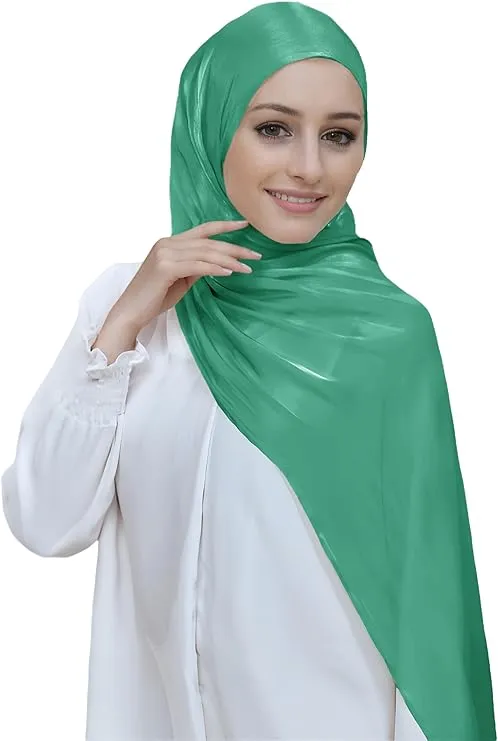
In 2026, sage green is one of the strongest trending bridal colors in the American Muslim community — driven by its Islamic significance, its extraordinary versatility across garment types and skin tones, and the growing visibility of green bridal looks in Muslim fashion media. Whether you choose a deeply embroidered emerald lehenga, a forest green sharara, a flowing sage wedding dress, or a chiffon green bridal hijab, Hijabi Bridal's green collection has the pieces to complete your look. Browse the full collection — organized by garment type and curated for modest coverage — and find your green.
Frequently Asked Questions
Why do Muslim brides wear green?
For Muslim brides, wearing green Muslim bridalwear on their wedding day is an expression of love for the Prophet and a connection to Islamic tradition. Green is the favorite color of the Prophet Muhammad (peace be upon him) and the color of paradise (jannah) as described in the Quran. It carries a spiritual and cultural significance that no other bridal color shares, making it a deeply meaningful choice for the nikah ceremony.
Why do Muslims wear green on a wedding?
For a Muslim bride, wearing green Muslim bridal attire carries Islamic tradition to her bridal fashion, in terms of symbolism. Green is the color associated with the Prophet Muhammad (peace be upon him) and with paradise in Islamic tradition — making it an act of devotion as much as a style choice for a Muslim wedding. Practically, green attire is universally flattering across skin tones and coordinates beautifully with gold embroidery and nikkah jewelry. It is also a distinctive and photographically rich bridal color in a landscape dominated by red and white.
What color do Muslim brides wear for a wedding?
Muslim brides wear a wide range of colors depending on cultural background and personal preference. Red is the most traditional color in South Asian Muslim communities. White is common among Arab-American and Western-influenced brides. When exploring the question of what color do Muslim brides wear for a wedding, the dark green Muslim bridal aesthetic has become a premier choice for those seeking a look rooted in deep cultural significance.
Can I wear green to a Muslim wedding?
To show proper cultural etiquette, it is always wise for a guest to ensure that the bride or the bridal fashion for the bridal party is not centered on green attire, or dark green Muslim bridal outfits, before finalizing their own look.
What color do Muslim brides usually wear?
Red is the most historically common bridal color in South Asian Muslim communities. White is widely worn among Arab-American and Western-influenced Muslim brides. Champagne and gold are the fastest-growing choices among contemporary American Muslim brides. Green occupies a uniquely significant place across all Muslim cultural traditions because its meaning comes from Islam itself — it is the color of the Prophet Muhammad (peace be upon him) and of paradise — making it a deeply meaningful choice for any Muslim bride regardless of cultural background.
What green bridal outfits are available for Muslim brides?
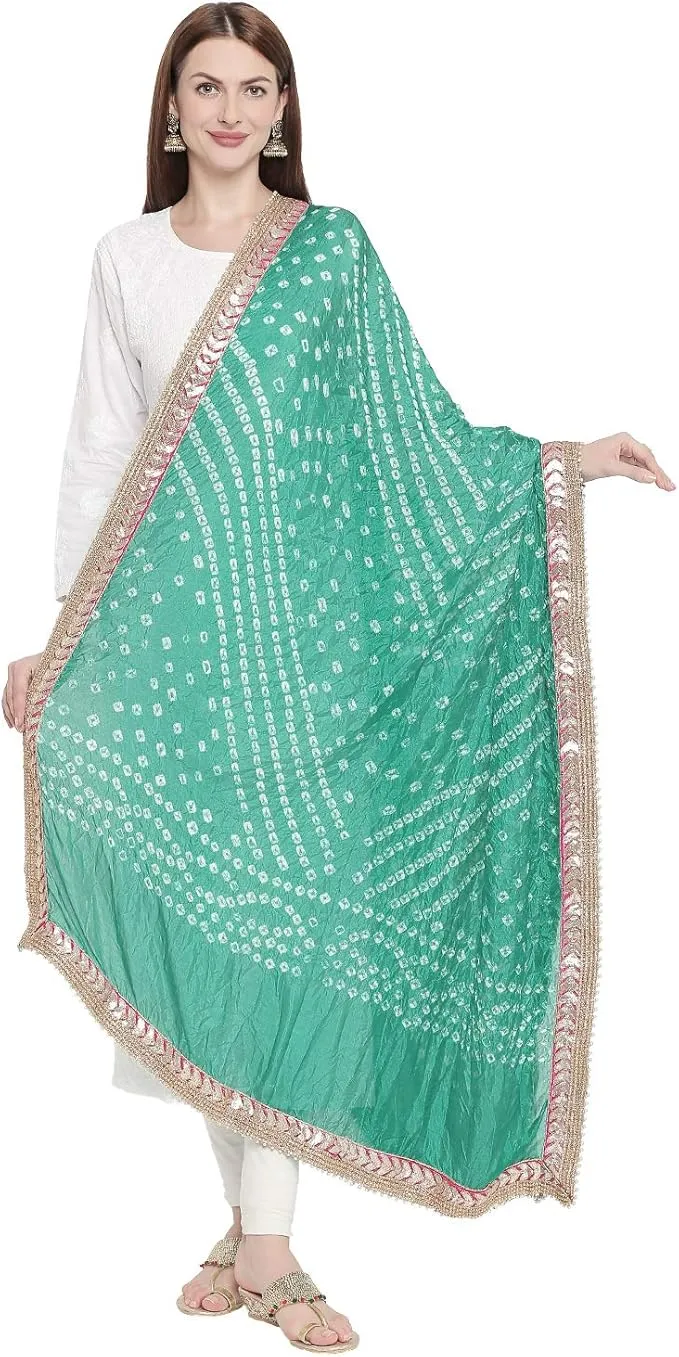
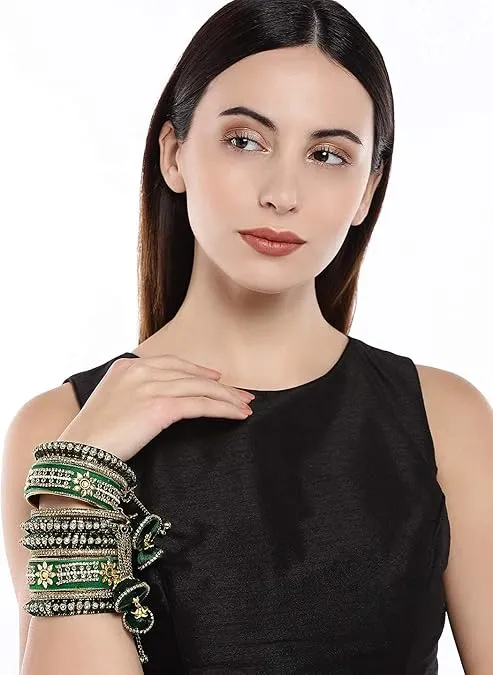
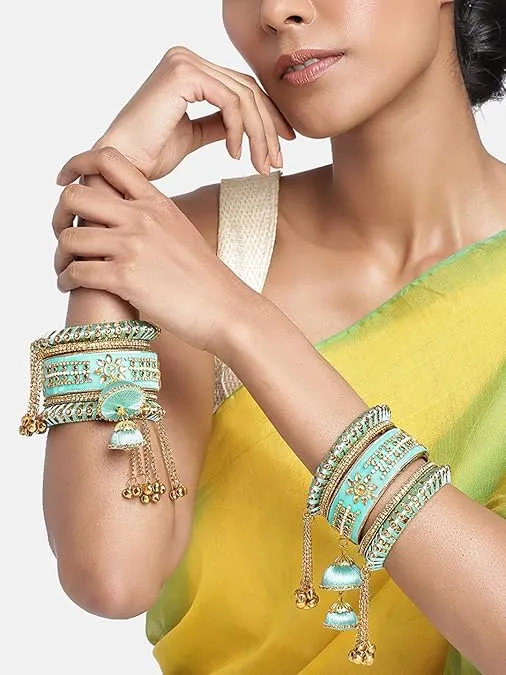
Hijabi Bridal's green collection includes embroidered green lehengas, sharara sets, flowing bridal caftans, green bridal hijabs, dupattas, and coordinating nikkah jewelry — all curated from Amazon and selected for Islamic modesty standards. Every shade of green is represented, from deep emerald and forest green to sage, mint, and olive.
Does green suit all skin tones for a Muslim bridal look?
Yes. Green is one of the most universally flattering colors across all skin tones. Deep emerald and forest green are especially rich and striking against medium and dark skin tones, while sage, mint, and olive green suit lighter complexions and softer bridal aesthetics. The green and gold combination — green fabric with gold embroidery and nikkah jewelry — works beautifully across every complexion and is one of the most elegant pairings in South Asian and Middle Eastern bridal fashion.