Bridal Dupatta Collection
What are the latest bridal dupatta trends?
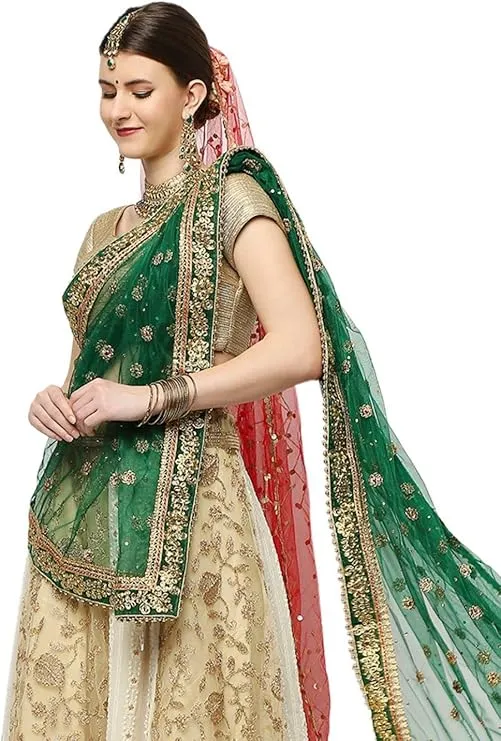
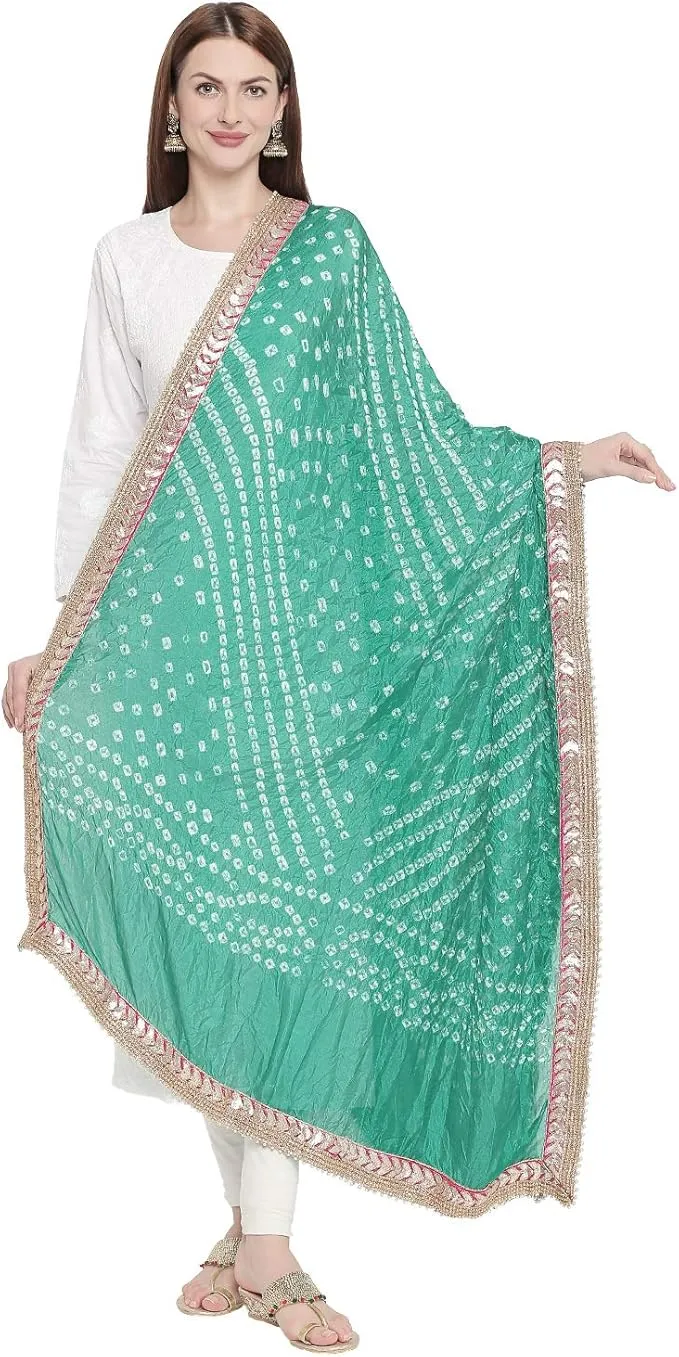
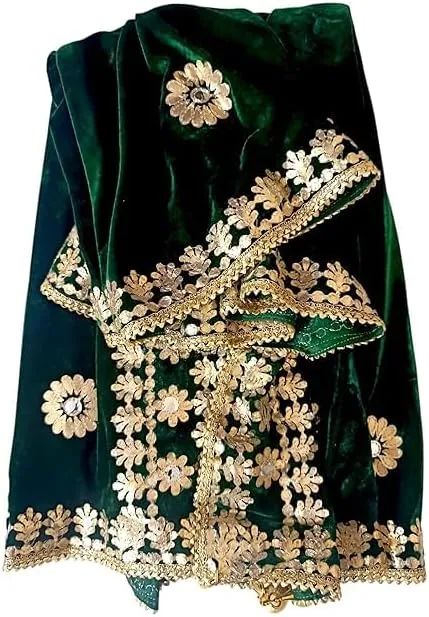
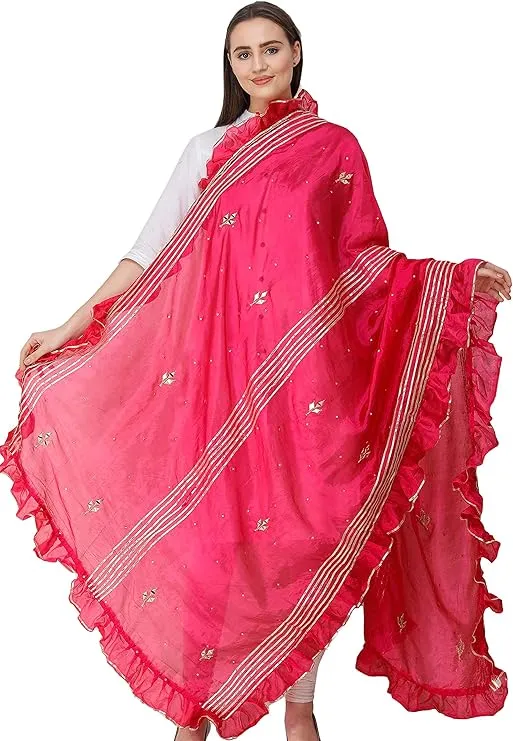
The biggest shift in bridal dupatta styling right now is the move toward double dupatta looks — layering a heavier, embroidered outer piece over a lighter, more fluid second dupatta — alongside a growing preference for rich luxury textiles like velvet and silk over standard synthetic fabrics. Brides across the US desi community are choosing contemporary styles that honor cultural heritage without sacrificing modern bridal aesthetics. While deeply rooted in South Asia, it is essential to note that similar long shawls are worn in Sudan, Somalia, Iran, and Tanzania. The bridal dupatta has become a global choice for modest brides. READ MORE BELOW...
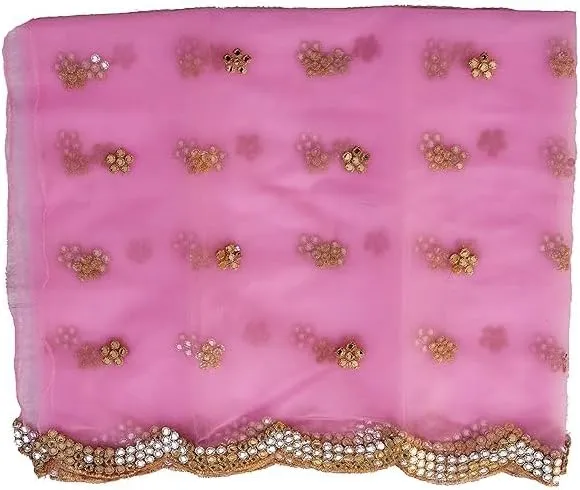
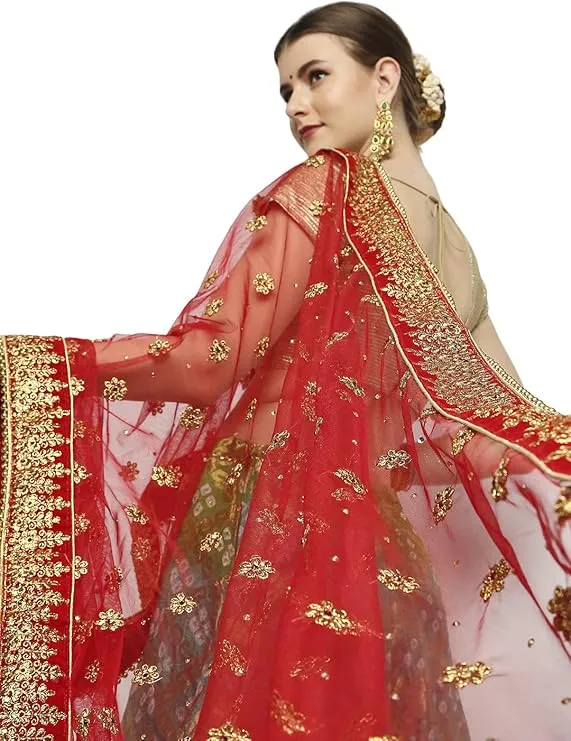
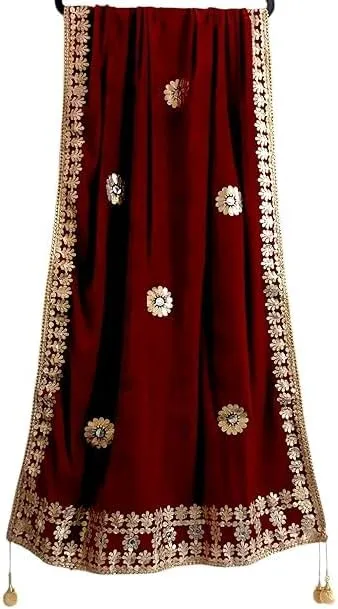
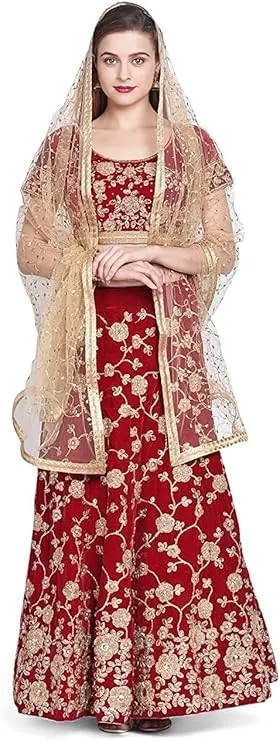
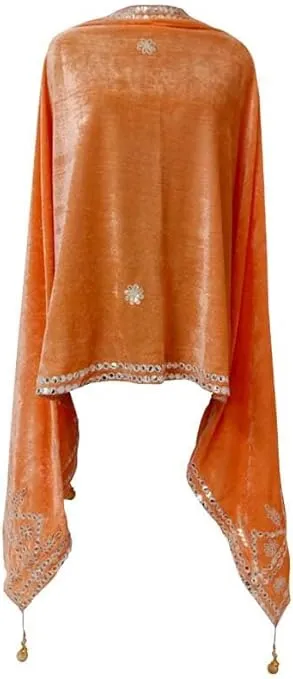
Maroon Velvet Dupatta
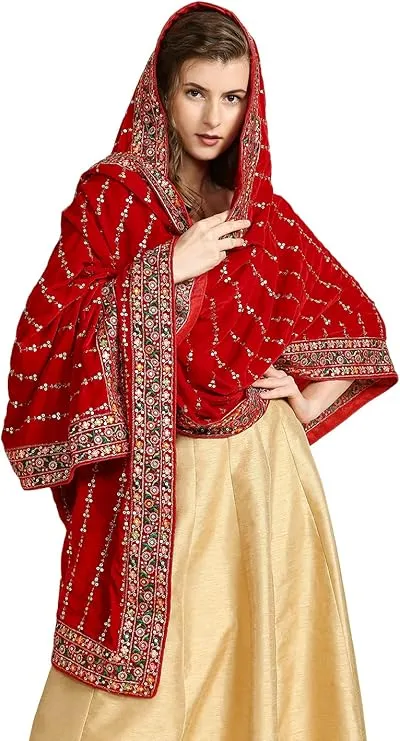
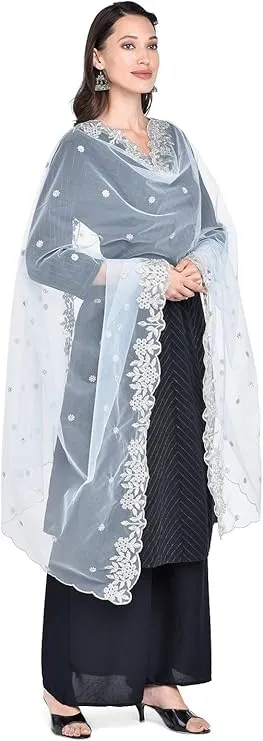
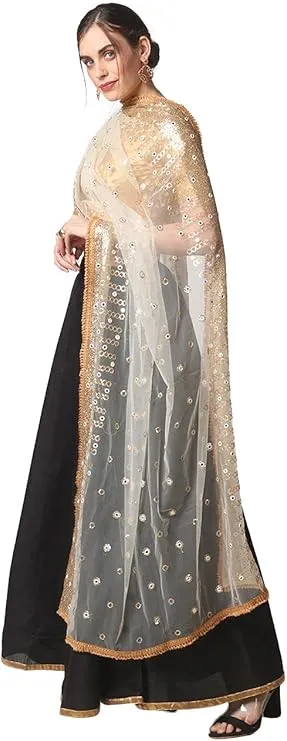
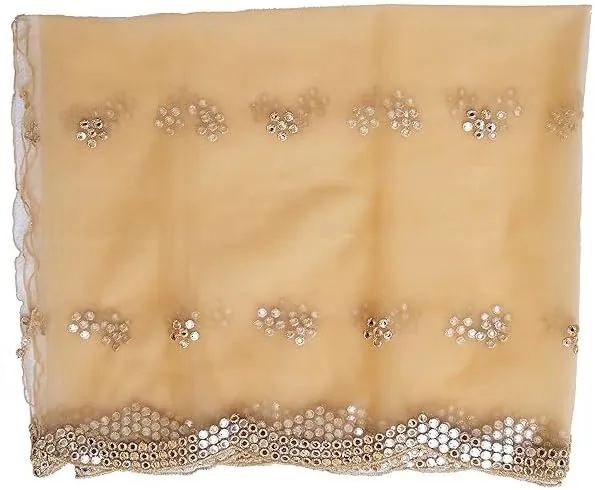
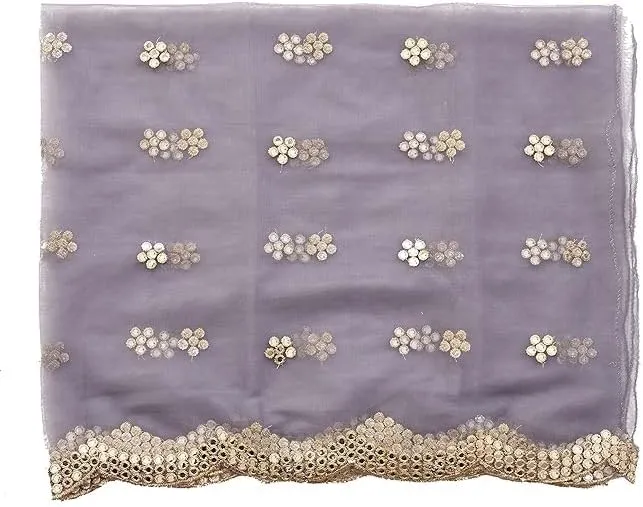
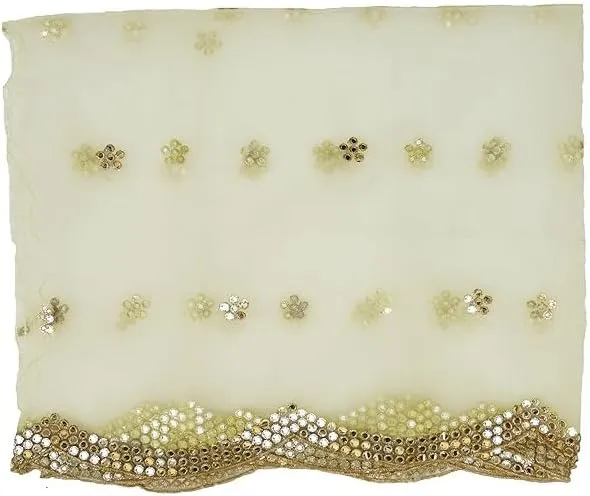
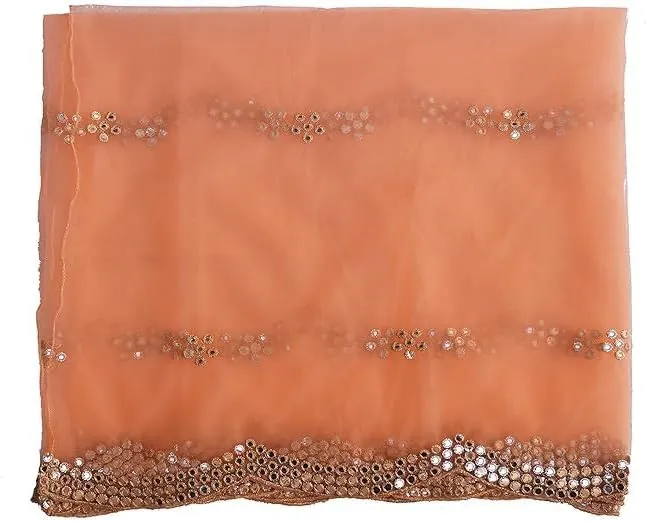
Silver Net Dupatta
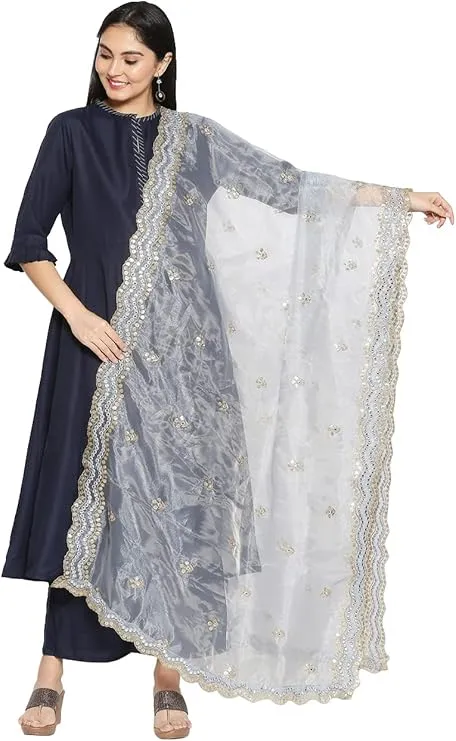
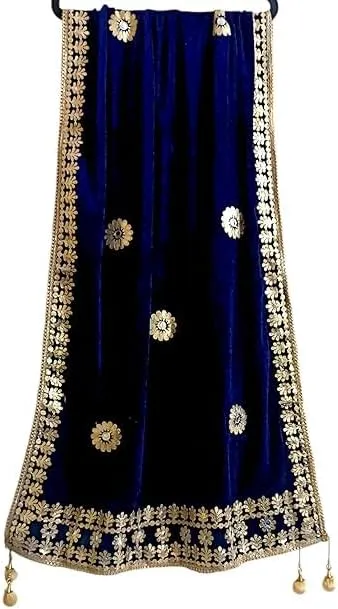
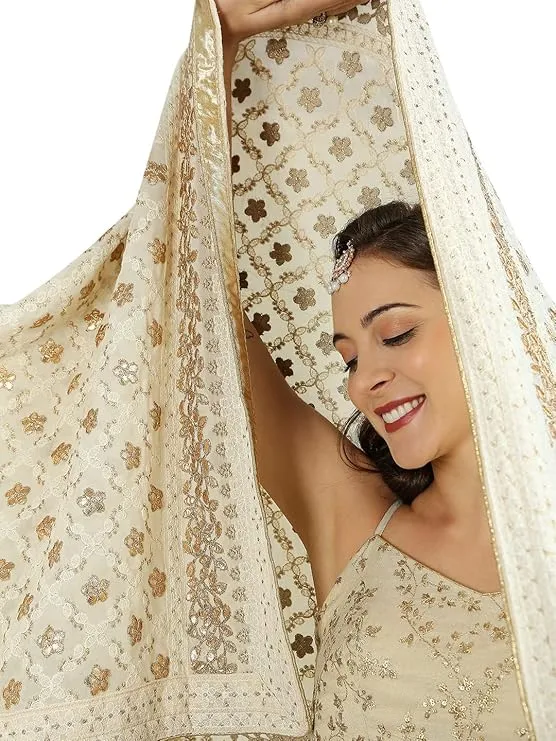
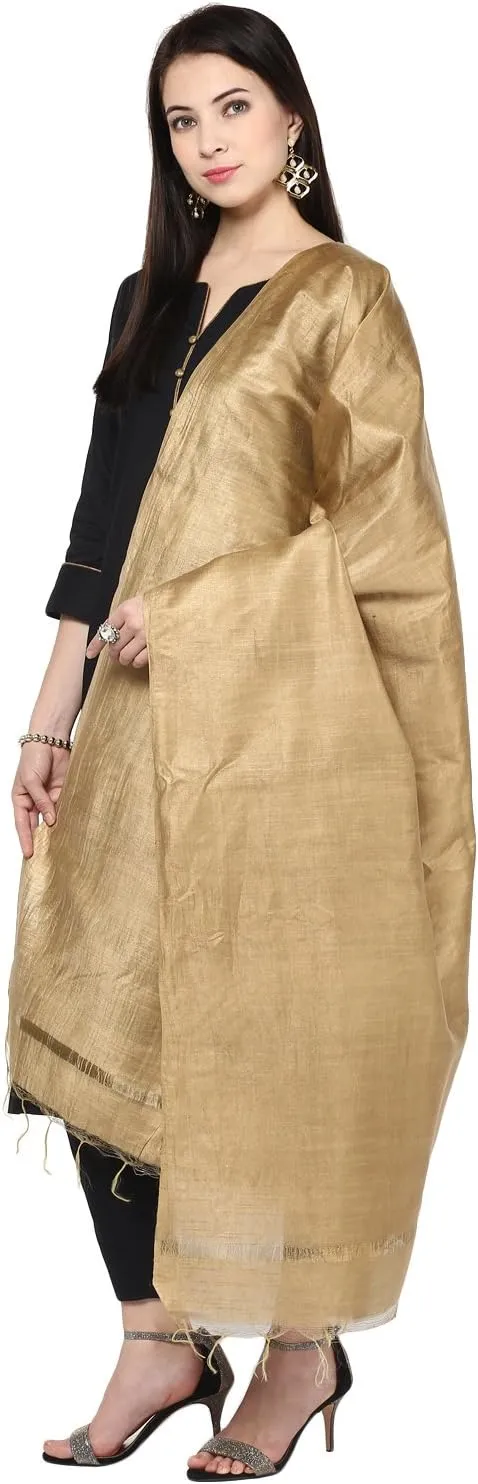
How to Add a Double Dupatta to Your Bridal Look
| "Double Dupatta Wearing Styles" | ||||
|---|---|---|---|---|
| "Types of Dupattas" | "over the head to the back" | "freestyle" | "accordioned over the shoulder" | "over the arm" |
| Net | ✓ | ✓ | ✓ | ✓ |
| Velvet | ✓ | — | ✓ | ✓ |
| Silk | ✓ | — | — | ✓ |
| Organza | ✓ | ✓ | — | ✓ |
| Chiffon | — | — | — | ✓ |
What are the latest bridal dupatta trends?
In 2026, the most searched bridal dupatta trends is the double, or even triple, dupatta. This look is worn over the Muslim bridal dress, one on the arm, another on the head, and a third over the shoulder. This is not a random look! To keep it together, various dupattas and drapes are tried out way ahead of the event. The chosen bridal dupattas are pinned well to the head and bodice so that not even a fiber falls out of place. Recent celebrity Indian weddings have showcased triple dupattas, and Indian-American brides, of course, follow suit. For Pakistani bridal wear, double bridal dupattas in luxury fabrics are highly customizable, with some looks covering the head and others not.
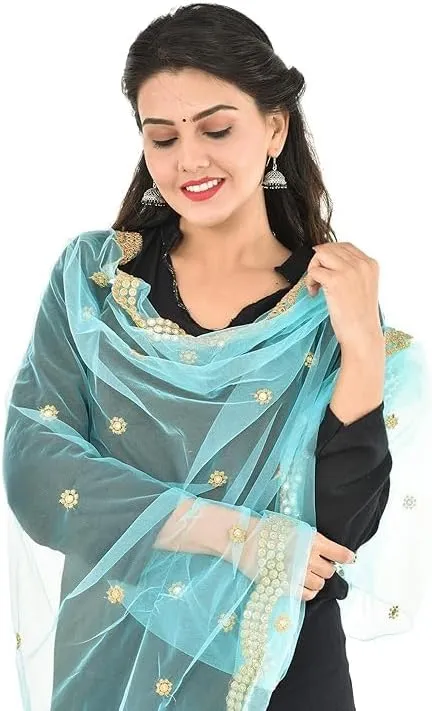
Either way, traditional designs like the double dupatta are not disappearing — they are being recontextualized. The heavy embroidery of past years is secondary, today, and lighter varieties have opened a world of online shopping for South Asian fashion that's lightly embroidered and therefore much more accessible in the west. Also brides are pairing those traditional designs with contemporary styles in a single look: a heavily embroidered velvet piece worn over the hijab to the back, framed by a second, lighter net or organza dupatta draped across the arm or accordion-folded over one shoulder. This double bridal dupatta draping technique is the dominant styling trend across South Asian fashion editorial coverage right now, and it is the approach our collection is specifically designed to support.
Luxury fabrics are defining the upper tier of the 2026 bridal dupatta market. Silk dupattas in jade green and champagne, velvet pieces in maroon and gold, and embroidered fabrics in net with metallic thread borders are all performing strongly in both search and purchase data. Cultural wedding tradition continues to impact bridal accessories like the dupatta. But the shift toward less embroidery on fabrics, bolder borders, and intentional double-dupatta layering guides wedding planning and reflects exactly where the category is heading in 2026.
What is a bridal dupatta?
A bridal dupatta is a large, decorative scarf — typically two to three meters long — that forms one of the most important pieces of Indian wedding attire and, more broadly, South Asian heritage bridal wear. It is worn draped over the head, across the shoulders, or over one arm, and it functions simultaneously as a modesty garment, a statement accessory, and a piece of cultural significance that connects the bride to generations of wedding fashion before her. The word dupatta comes from the Sanskrit root meaning two-layered cloth, which reflects both its physical construction and its layered role in the bridal look — it is at once functional wedding attire and a deeply symbolic piece of ethnic fashion.
In terms of cultural significance, the bridal dupatta carries meaning across multiple traditions. In Punjabi culture, the dupatta is a central element of the wedding ceremony itself — the groom's family may present it to the bride, and its color often signals the stage of the wedding event. In Muslim wedding customs, the dupatta serves a specific function as a modesty cover worn over the hijab, allowing the bride to meet the requirements of Islamic dress while still wearing the full grandeur of her bridal wear. Across both of these contexts, the bridal dupatta is never a minor accessory — it is a defining piece of the bridal look. While deeply rooted in South Asia, it is essential to note that similar long shawls are worn in Sudan, Somalia, Iran, and Tanzania, which is why we think of the dupatta as a global modest bridal accessory rather than a culturally exclusive one.
From a wedding fashion standpoint, the bridal dupatta is also one of the most technically demanding pieces in the ensemble. Bridal accessories at this level require embroidered fabrics, luxury textiles, and border work that can hold up through a full wedding day of movement, photography, and ceremony. Our collection spans net, velvet, silk, georgette, and organza — each fabric behaving differently in the bridal dupatta setting. When draped, pinned, or accordion-folded, each carries its own relationship to light, weight, and embellishment. For hijabi brides specifically, the dupatta functions as a bridal accessory worn over the hijab, pinned at the crown so the embroidered or metallic border frames the face — a styling approach that makes the quality of the border work one of the most important purchasing considerations in the entire bridal accessories category. The dupatta's growing mainstream visibility is one of the clearest indicators of South Asian heritage's influence on American wedding culture.
Which fabric is best for a bridal dupatta?
If you're purchasing a heavy bridal dupatta online, velvet fabric, for hijabis, is the best option. It's one of the most accessible and rich options available. For hijabi purposes, velvet is an excellent option to cover the hair, while the dupatta that came with your outfit can be used to style the double dupatta regal look.
Heavy dupattas are not just velvet, however. Embroidered fabric might make up the weight, and in that case organza, or silk fabric that's woven like organza, can be considered a heavy dupatta. Organza-type fabrics are lightweight in themselves, but they hold embroidery well.
What you want to avoid as your primary dupatta is anything that's too limp. No matter how beautiful the embroidered fabric is, it won't be noticed if you use chiffon fabrics and georgette fabrics. Chiffon or georgette can be a secondary dupatta over the arm, where it's spread, pinned and pretty much forgotten - not over the head.
Keep fabric choices in mind during your online shopping for dupattas that can be used in a double or triple style. Whether your dress is Indian wedding attire, Pakistani bridal wear or following the latest US bridal fashion trends, an added dupatta is what separates the bridal look from a fancy guest. As far as wedding dress accessories, it's pure royalty, and definitely a cultural wedding tradition worth keeping in the Muslim world. So whether you're wearing a bridal abaya, caftan or lehenga, a beautiful matching dupatta in velvet fabric draped over your head and a contrasting one in silk fabric on your arm, will still set you apart as the most luxurious bride, whatever your cultural background.
Can a bridal dupatta be reused?
Yes — and reusing a bridal dupatta is one of the most practical and elegant forms of accessory styling available to South Asian brides. Because a well-made, embroidered bridal dupatta is constructed from luxury textiles designed to last, it holds its shape, color, and embellishment through multiple events when properly cared for. The traditional pieces in our collection, while not custom-made, are built with this longevity in mind: the embroidered borders on our velvet and net dupattas use thread weights and attachment methods that do not loosen with normal handling, and the base fabrics — silk, velvet, georgette — are all materials with a proven track record in Indian wedding attire and South Asian weddings in the USA as heirloom-quality textiles.
The most natural place to reuse a bridal dupatta is across the multiple events that make up a South Asian wedding weekend. A bride who wears her embroidered champagne dupatta at the nikah can re-style the same piece at the walima wedding reception by changing the drape — from pinned over the hijab at the ceremony to accordion-folded over one shoulder in a more relaxed, contemporary pose. It's accessory styling flexibility. Our brides choose whether to invest in a single high-quality, traditional piece or purchase separate dupattas for each event. The same designer-level, custom-made piece reads differently depending on how it is worn, which makes reuse feel intentional rather than repetitive. Designer cultural heritage pieces are designed to be worn more than once — that is part of what makes them traditional in the first place.
Beyond the wedding weekend, a bridal dupatta can be reused as a statement piece at future wedding receptions, Eid celebrations, and formal events where traditional Indian wedding attire is appropriate. A heavily embroidered velvet dupatta in maroon or gold can be worn easily with a different outfit. Brides in the US desi community frequently incorporate their bridal dupattas into anniversary looks or family event attire as a way of honoring the cultural significance of the original garment. For wedding planning purposes, treating the bridal dupatta as a long-term investment rather than a single-use accessory is both financially sensible and consistent with the fashion trends in South Asian weddings in the USA, where the emphasis on quality construction and traditional craftsmanship is increasingly aligned with sustainability values. For guidance on caring for embroidered luxury textiles between events, [textile care resources](https://textilelearner.net/velvet-fabric-properties/) recommend storing velvet and embroidered fabrics flat, away from direct light, to preserve both the pile and the metallic thread work through multiple seasons of use.
Frequently Asked Questions
What are the latest bridal dupatta trends?
The leading bridal dupatta trends in 2026 center on double dupatta layering — pairing a heavy, embroidered velvet or net piece worn over the hijab with a lighter second dupatta draped over the arm or shoulder — alongside a strong preference for luxury textiles like silk and velvet over synthetic fabrics. Bollywood inspiration continues to drive jewel-tone color choices, while the US desi community is shaping contemporary styles that blend South Asian fashion with Western bridal aesthetics. Traditional designs with dense border work remain consistently popular, particularly in red, maroon, gold, and champagne.
What is a bridal dupatta?
A bridal dupatta is a large decorative scarf — typically two to three meters long — that is one of the defining pieces of Indian wedding attire and South Asian heritage bridal wear. It is worn draped over the head, across the shoulders, or over one arm, and it carries cultural significance across Punjabi culture and in Muslim wedding customs around the world. For hijabi brides, it is pinned over the hijab so the embroidered border frames the face. While rooted in South Asia, similar long shawls are worn in Sudan, Somalia, Iran, and Tanzania, making it a global modest bridal accessory.
Can a bridal dupatta be reused?
Yes. A well-made, embroidered bridal dupatta in luxury textiles like velvet, silk, or georgette is designed to last through multiple events. Beyond the wedding weekend, a traditional, modern or custom-made bridal dupatta can be reused at future receptions, Eid celebrations, and formal events. Store velvet and embroidered pieces flat, away from direct light, to preserve the fabric and metallic thread work between uses.
Can I wear a bridal dupatta if I am not Indian or Pakistani?
Absolutely. While the bridal dupatta is deeply rooted in South Asian heritage, similar long shawls are worn as part of traditional bridal and formal attire in other countries as well. Muslim brides from diverse backgrounds — including those with no South Asian heritage — wear dupattas as a modest bridal accessory that aligns with Islamic dress standards. The dupatta is a global garment, and any bride drawn to its elegance, cultural significance, or practical modesty function is welcome to wear one.