Peach Velvet Dupatta
Purchase on Amazon.comRelated Products:
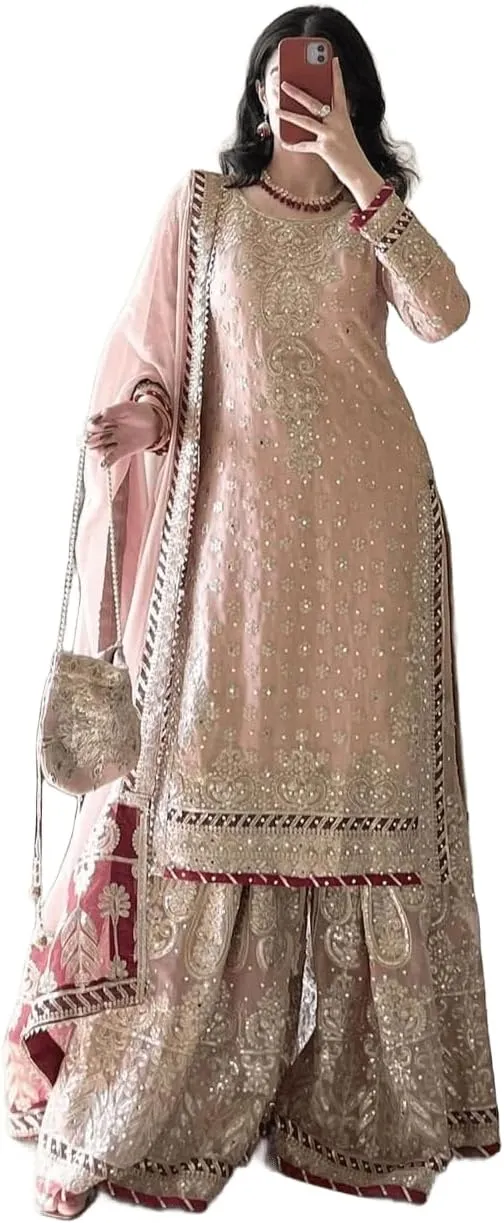
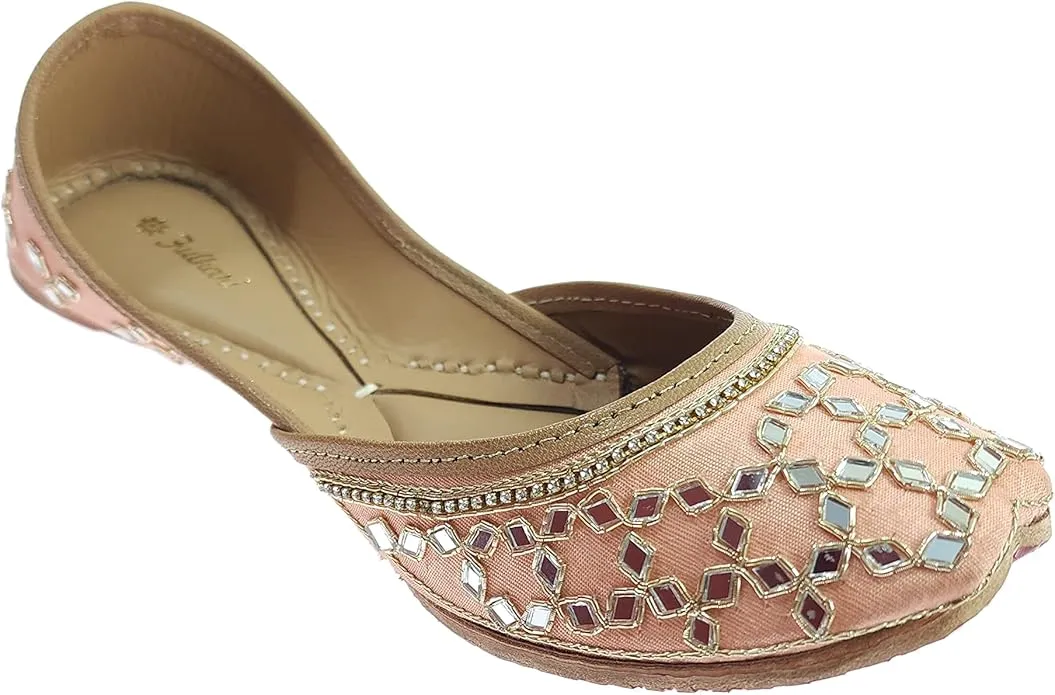
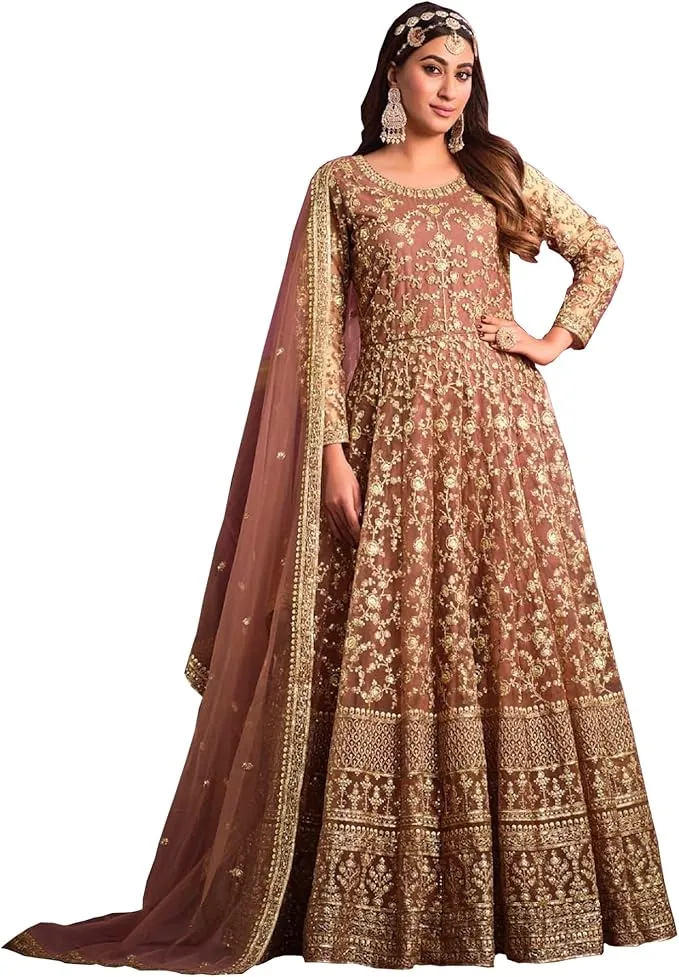
Velvet has long been the luxury fabric of choice for brides who want depth and richness in their wedding dress accessories — and the peach colorway makes this velvet dupatta especially versatile across modern Pakistani bridal wear silhouettes. Unlike a silk dupatta, which tends to be lighter and more fluid, a velvet dupatta holds its shape and border definition even when pinned, draped, or accordion-folded, giving you more styling control on your wedding day. If you have been comparing a silk dupatta to a velvet dupatta and wondering which works better for structured bridal styles, the velvet option wins for hijabi brides who need reliable drape over the head and to the back.
Best Heavy Bridal Dupatta for 2026?
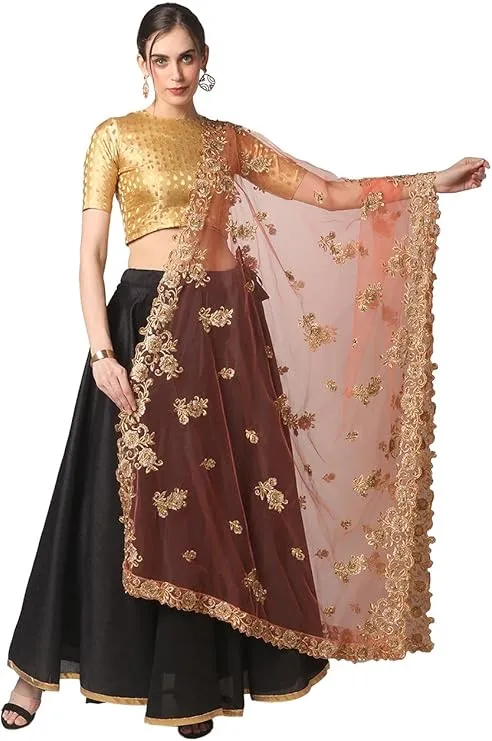
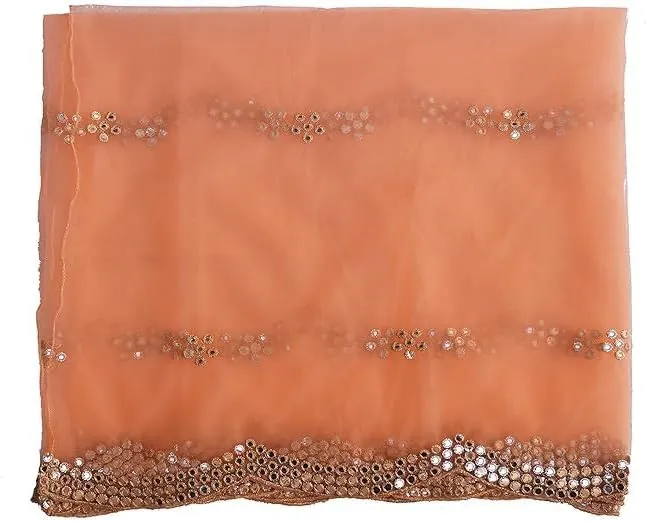
Among the couture bridal wear trends and 2026 fashion forecast, the embroidered dupatta continues to dominate bridal runways and editorial features alike. This piece functions as a heavy embroidery dupatta through its intricate silver border work, which catches light in the same way that fully surface-embroidered styles do — but with the structural advantage of velvet as the base fabric. A beaded dupatta tends to feel heavier at the hem, while an embroidered dupatta like this distributes visual weight more evenly, making it more comfortable for extended wear across a full wedding day or multi-event celebration.For brides drawn to Indian-American wedding traditions or Pakistani bridal wear who want to invest from a designer dupatta collection that photographs beautifully, this heavy bridal dupatta is the right starting point. It reads as a being from a designer dupatta collection in every photo without requiring a custom price point, which is why it fits so naturally into couture bridal wear trends and 2026 fashion foreast coverage alongside much higher-end pieces. A beaded dupatta adds texture through physical embellishment; this velvet dupatta achieves a comparable effect through fabric weight and border contrast alone.
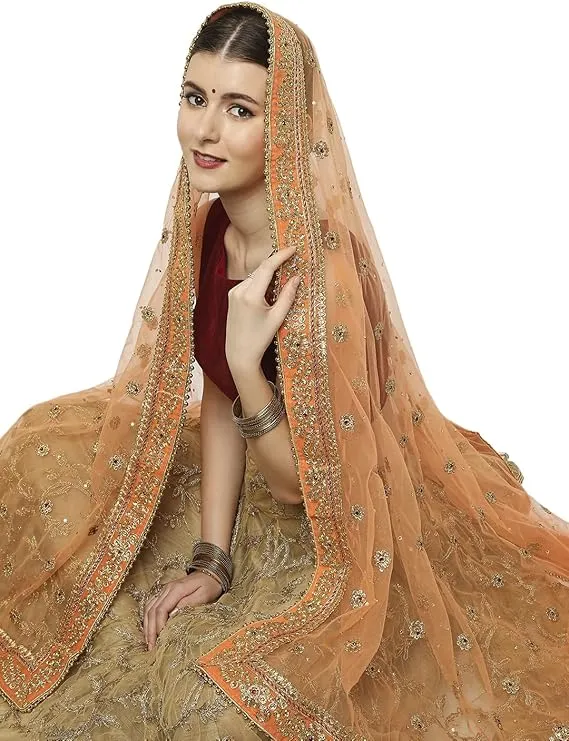
Styling a heavy dupatta well comes down to understanding your silhouette and your hijab placement. The embroidered dupatta remains the most searched bridal accessory category in South Asian bridal wear, and this peach velvet version fits squarely within that conversation. First, set your jewelry over your hijab. Then pin this heavy bridal dupatta so it frames your face and falls evenly to the back. The thick silver border creates a natural frame that draws attention to your face and neckline without competing with your outfit. For brides exploring Indian-American wedding traditions, this framing technique is one of the most photographed bridal poses across South Asian weddings in the US today.
This bridal dupatta can also be accordion-wrapped over one shoulder for a more contemporary drape that works well in reception settings. Pairing it with the dupatta that came with your lehenga with Islamic customizable options creates a layered effect that is very much aligned with current wedding dress accessories trends — two dupattas of different fabrics and weights work together to add dimension to the overall bridal look. A silk dupatta from your lehenga set with Islamic customizable options, for instance, pairs beautifully with this velvet dupatta as the outer layer, since the contrast between the fluid silk dupatta and the structured velvet luxury fabric creates visual interest at every angle. If you are researching how South Asian bridal accessories are styled for US weddings, the double-dupatta technique is one of the most consistent recommendations across bridal dupatta styling tips.
For brides who want to understand the full range of options before purchasing, it helps to compare a beaded dupatta, a silk dupatta, and a velvet dupatta side by side. A beaded dupatta is heavier at the decorative sections and can feel stiff when pinned. A silk dupatta is lighter and more fluid but may not hold a pin securely over a hijab. This velvet dupatta strikes the middle ground — enough weight and body to stay in place, enough softness to drape gracefully. It functions as a heavy dupatta from a designer dupatta collection. According to [research on textile performance in formal wear](https://textilelearner.net/velvet-fabric-properties/), velvet's pile structure gives it natural body and a surface that resists slipping, making it especially well-suited for bridal applications where secure placement matters.
Shop this color collection
View all Bridal Dupattas
Frequently Asked Questions
What is the difference between a velvet dupatta and a silk dupatta for bridal wear?
A velvet dupatta is heavier, holds its shape when pinned, and drapes with more body and structure than a silk dupatta. A silk dupatta is lighter and more fluid, which makes it beautiful for layering but less reliable when worn over a hijab or pinned in place for extended events. For hijabi brides who need their dupatta to stay in position from the ceremony through the reception, a velvet dupatta is the more practical and visually consistent choice. Many brides use both — a silk dupatta from their lehenga set (with Islamic customizable options) paired with a velvet dupatta as the outer layer — to get the benefit of both fabrics in a double-dupatta look.
Is this peach dupatta considered a heavy bridal dupatta?
Yes. The combination of velvet luxury fabric and a thick gold border makes this a heavy bridal dupatta by both weight and visual impact. It is heavier than a silk dupatta or a lightweight chiffon style, and the gold border adds density at the edges that anchors the dupatta when draped or pinned. For brides looking for a heavy dupatta that photographs like a designer dupatta without a custom price, this peach velvet style is a strong option.
Can this dupatta be worn as part of a double dupatta bridal look?
Absolutely. This bridal dupatta is well-suited for a double-dupatta look when paired with a lighter dupatta — such as a silk dupatta or the dupatta that came with your lehenga (with Islamic customizable options). The velvet dupatta typically serves as the outer layer, worn over the hijab and pinned to frame the face, while the second dupatta is draped across the shoulder or arm for added movement and dimension. This layering technique is one of the most consistent recommendations in South Asian bridal styling guides for the US market.
How do I style a velvet dupatta over a hijab?
Start by securing your hijab and placing your jewelry. Then take the velvet dupatta and position it over your head, centering it so both ends fall evenly to the back. Pin the dupatta at the crown to hold it in place, ensuring the gold border frames your face on both sides. The weight of the velvet luxury fabric helps it stay in position without excessive pinning. For a more contemporary look, you can accordion-fold one end and drape it over a shoulder instead of letting it fall to the back.
Is a velvet dupatta appropriate for Pakistani bridal wear styles?
Yes. Velvet dupattas are widely used in Pakistani bridal wear, particularly for winter weddings and indoor ceremonies where the richness of the luxury fabric photographs beautifully under event lighting. The peach colorway is especially traditional in Pakistani bridal wear and pairs well with gold jewelry, maroon or contrasting lehenga sets with Islamic customizable options, and traditional designs on heavy embroidery bridal outfits. It also translates well to Indian wedding fashion aesthetics, making it a versatile choice for brides whose style bridges both South Asian fashion traditions.