How to Drape a Heavy Bridal Dupatta from Online: Techniques, Styles, and Tips
By Hijabi Bridal Team ·
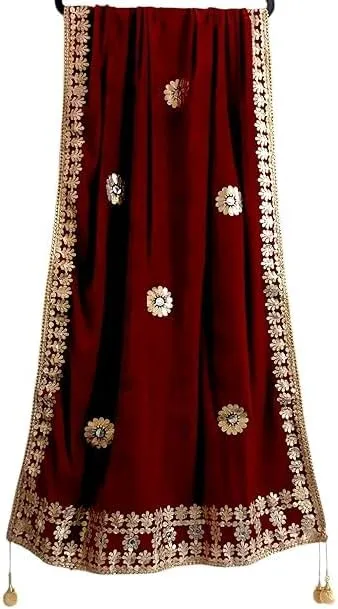
Draping a heavy bridal dupatta from online comes down to three essentials: the right pinning, the right pleating, and the right wedding accessories styling to hold everything in place. A heavy fabric dupatta — typically velvet, brocade, or heavily embroidered net — can be found on Amazon.com, but cannot simply be draped over your hijab. It needs to be structured with pleats or folds at the crown of the head or shoulder, secured with strong bridal pins or decorative accessories, and balanced so its weight does not pull the hijab out of position throughout the day. The most reliable method is to pin the bridal heavy dupatta flat against the back of the head first, fold or pleat the decorative end over the crown toward the front, and use at least three to four accessories — pins, clips, or a bridal belt — to anchor the weight at different points across the body. Done correctly, a heavy bridal dupatta looks perfect in wedding photography and stays in place during the nikkah without adjustment.
How to Drape a Heavy Bridal Dupatta from Online?
Draping techniques for a heavy bridal dupatta from online or Amazon.com differ meaningfully from those used for lighter chiffon or silk styles. The weight of heavy fabric changes the physics of the drape — it pulls downward more aggressively, resists folding into neat pleats, and requires more structural support from wedding accessories styling to maintain its position. Understanding these differences before the wedding day allows a bride to practice her draping techniques in advance and arrive at her ceremony fully confident in her look.
Step One: Anchor the Base
Before any pleating methods or layering styles are applied, the base of the bridal heavy dupatta must be anchored securely. For a hijabi bride in an Indian wedding or other, this means pinning the dupatta directly to the hijab at the crown of the head, before the detailed border of the dupatta. It will provide more strength if you fold the border back and then pin through the two layers of the dupatta. Use heavy-duty bridal safety pins — not standard dress pins — as your primary accessories at this stage. The pins should go through both the dupatta and the hijab layer beneath, creating a locked anchor point that the weight of the heavy fabric cannot dislodge.
For opaque dupattas that you wear without hijab, the dupatta base is typically anchored using a comb or clip sewn into the dupatta itself, or by pinning it to a thin under-scarf or hair net that has been secured around the head. In both Indian wedding traditions and Pakistani bridal attire, professional bridal stylists almost universally recommend this base-anchoring step as the non-negotiable foundation of any heavy dupatta draping technique.
Step Two: Pleat the Decorative End
Once the base is anchored, pleating methods are applied to the decorative border end of the bridal heavy dupatta — the edge with the heaviest embroidery designs or the most elaborate fringe. Pleating methods gather this heavy end into a controlled fold that sits neatly over the shoulder or gathered ny a belt rather than spreading loosely in a way that slides sideways.
The most common pleating methods for heavy fabric involve accordion folds of approximately two to three inches each, gathered into four to six pleats and pinned flat against the shoulder. This approach creates a structured, layered effect at the front of your bridal attire for an Indian wedding or Pakistani tradition that frames it beautifully. Your heavy dupatta showcases the embroidery designs along the border without the fabric collapsing under its own weight.
Step Three: Distribute the Weight with Layering Styles
After the head placement is secured, layering styles determine how the body of the dupatta falls across the rest of the outfit. The most practical layering styles for a heavy fabric dupatta allow the dupatta to hang freely from the head to the back.
Another classic layering style drapes the dupatta over both shoulders with the main body falling down the back, creating a cape-like effect that distributes weight evenly. This layering style works particularly well for brides wearing lehenga or sharara styles, where the dupatta complements the embroidered designs of the skirt or trouser hem without competing with them.
A t popuhirdlar layering style drapes one end of the dupatta over the left shoulder and anchors the other end to the right wrist using a decorative bracelet or wrist pin — one of the most visually elegant wedding accessories choices in Indian wedding fashion. This layering style creates movement and visual drama when the bride walks, and it is especially effective with heavy fabric dupattas because the wrist anchor prevents the fabric from swinging freely in a way that could pull the head placement out of position.
Another layering style — favored in cultural traditions — tucks one end of the dupatta into a bridal belt at the waist, creating a structured, architectural effect that anchors the heavy fabric at the mid-body and prevents it from trailing on the floor. Hijabi Bridal's bridal belt collection includes jeweled belt wedding accessories specifically designed to work with heavy dupatta layering styles.
Accessories Styling That Make Heavy Dupatta Draping Work
The right accessories are not optional when draping heavy fabric — they are structural. Without adequate accessories, even the most carefully executed pleating methods and layering styles will shift within an hour of the ceremony beginning.
Bridal pins are the most essential accessories in the heavy dupatta toolkit. Heavy-duty safety pins in gold or silver finishes secure the dupatta at the head, shoulders, and waist without damaging the heavy fabric. Decorative pin accessories — crystal-topped or pearl-tipped hijab pins — serve double duty as both structural accessories and visual embellishments that complement the embroidered designs of the dupatta itself.
Nikkah jewelry accessories interact with the bridal heavy dupatta in ways that affect appearance. A large statement necklace worn at the chest - under the heavy dupatta and over a sheer dupatta anchored to the shoulder - keeps the sheer fabric flat against the body and prevents it from sliding forward. Chandelier earring accessories visible below the pleated head drape draw the eye upward and frame the face in a way that anchors the overall look visually. Browse Hijabi Bridal's nikkah jewelry collection for accessories sets that coordinate with the embroidered designs of your dupatta.
Bridal belt accessories are one of the most practical additions to a heavy dupatta draping setup. A belt worn over the dupatta at the waist locks the fabric in place at the mid-body, reducing the leverage that the fabric's weight can exert on the head placement. This single accessories addition can significantly extend how long a heavy fabric drape holds its position without adjustment.
Dupatta clips and comb accessories sewn directly into the fabric — or applied by a tailor before the wedding — provide invisible internal anchor points that work in conjunction with external pin accessories to keep pleating methods intact throughout the day.
Embroidery Designs and Their Impact on Draping
The embroidery designs on a heavy bridal dupatta from online are not just decorative — they directly affect how the fabric drapes and how it should be handled. Dense embroidery designs in zardozi (gold metallic threadwork) or heavy beading add significant weight to specific sections of the dupatta, typically the border and the decorative end, and this weight distribution must be factored into pleating methods and layering styles.
A dupatta with heavy embroidery designs concentrated along both short edges — the classic border-heavy design which is always alive in fashion trends — is best draped with the embroidered ends placed deliberately: one over the shoulder showing the border clearly, and one trailing down the back where the embroidery designs are visible in profile. This approach showcases the craft of the embroidered designs while managing the weight distribution that dense border embroidery creates.
A dupatta with all-over embroidery designs — where beading or threadwork covers the entire surface — is the heaviest and most challenging to drape. For all-over embroidered designs, pleating methods must be more generous — wider, deeper folds — to contain the fabric mass at the crown, and layering styles must distribute weight across at least three body anchor points rather than two. Wedding photography tips consistently emphasize that all-over embroidered design dupattas photograph most beautifully when the fabric is spread and lit from the side, so discussing placement with your photographer in advance is worth the effort.
Draping for Hijabi Brides: Special Considerations
For hijabi brides, draping techniques for heavy fabric must account for the hijab layer beneath. The bridal heavy dupatta sits on top of the hijab, which means the hijab must be pinned tightly and securely before any dupatta draping begins — a loose hijab base will shift under the weight of heavy fabric regardless of how well the dupatta itself is secured.
The most effective approach for hijabi brides combines a circular-cut hijab pinned flat at the shoulders with a heavy dupatta anchored at the crown. This setup allows the dupatta's embroidery designs to frame the face at the front while the hijab provides complete coverage at the neck and sides. Bridal makeup fashion trends in 2026 favor a slightly more defined eye and brow when the face is framed by a dupatta drape, since the fabric draws the eye inward toward the face — a useful consideration when doing wedding planning for the full bridal attire.
US wedding planning for South Asian and Muslim brides increasingly involves scheduling not just bridal makeup, but a dedicated dupatta draping rehearsal session with the bridal stylist before the wedding day. US wedding planning professionals who specialize in Islamic weddings consistently recommend this step, noting that a bride who has practiced her draping techniques at least twice during the wedding planning phase is significantly more comfortable and confident in her look when it matters most.
Cultural traditions have also introduced creative new approaches to dupatta draping among American Muslim brides who blend South Asian cultural significance and Western bridal aesthetics. Using a heavy dupatta as a cape over a Western-style modest gown, anchored at the shoulders with jeweled pin accessories and belted at the waist, is one of the most striking cultural tradition looks emerging from the US Muslim bridal community in 2026.
For wedding photography tips specific to heavy dupatta draping, the key guidance is consistent: ask your photographer to capture the dupatta in motion — walking shots, turning shots, and a dedicated detail shot of the embroidery designs laid flat — as well as the standard posed portraits. The movement of a well-draped heavy fabric dupatta is one of the most photogenic elements of cultural significance in South Asian bridal fashion, and capturing it in motion does the look far more justice than static shots alone. Bridal makeup fashion trends toward dewy, luminous skin finishes also complement the richness of heavy embroidery designs in photographs, creating a cohesive visual effect between the bride's face and her bridal attire.
Browse Hijabi Bridal's full bridal dupatta collection for heavy and embroidered styles in your chosen color — organized to coordinate with lehengas, shararas, and Muslim wedding dresses across the full 2026 bridal palette.
Frequently Asked Questions
How do you drape a heavy bridal dupatta from online without it slipping?
The key is to anchor the Amazon dupatta at multiple points using heavy-duty bridal pin accessories — at the crown of the head, at both shoulders, and at the waist using a bridal belt. Pleating methods at the crown gather the heavy fabric into a controlled fold that reduces the leverage the fabric's weight exerts on the head placement. Practicing draping techniques at least twice before the wedding day ensures the method is secure and comfortable.
What is the best pleating method for a heavy dupatta?
Accordion pleating — two-to-three-inch folds gathered into four to six pleats and pinned flat at the shoulder — is the most reliable pleating method for heavy fabric dupattas. This approach contains the decorative embroidery designs end neatly and holds its shape under the fabric's weight better than single-fold or loose draping methods.
How many pins do you need to secure a heavy fabric?
At minimum, four to six pin accessories are needed to secure a heavy fabric properly: two at the crown for the pleated end, one at each shoulder to anchor the body of the fabric, and one or two at the waist if a bridal belt is not being used. Decorative hijab pin accessories can serve double duty as both structural support and visual embellishment.
Can a heavy dupatta be worn over a hijab?
Yes, and this is the standard approach for hijabi brides. The hijab must be pinned tightly and securely first — a loose hijab base will shift under the weight of heavy fabric. The dupatta is then pinned directly to the hijab at the crown, with additional accessories anchoring it at the shoulders and waist. A circular-cut hijab pinned flat at the shoulders provides the most stable base for heavy dupatta draping techniques.
What layering style works best for a lehenga and heavy dupatta?
The cape layering style — where the dupatta drapes over both shoulders with the body falling down the back — is the most practical and elegant choice for lehenga styles. It distributes the heavy fabric weight evenly and showcases the embroidery designs of both the dupatta border and the lehenga skirt simultaneously. A second dupatta in a contrasting color can be added using the shoulder-to-wrist layering style for additional visual drama.
Where can I buy a heavy bridal dupatta online in the USA?
Hijabi Bridal's curated bridal dupatta collection offers heavy and embroidered styles sourced from Amazon.com, organized by color to coordinate with lehengas, shararas, and Muslim wedding dresses. South Asian boutiques in US cities with large Muslim populations also carry heavy dupatta styles for cultural significance, particularly for Pakistani bridal wear and Indian wedding traditions occasions.