Bridal Hijab Collection
What is the best bridal hijab for 2026?
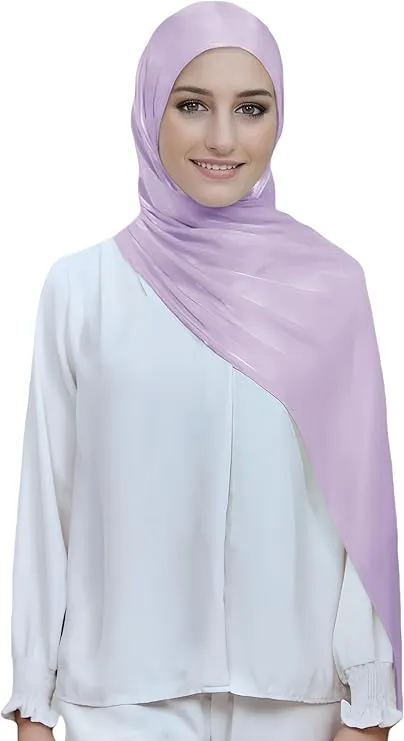
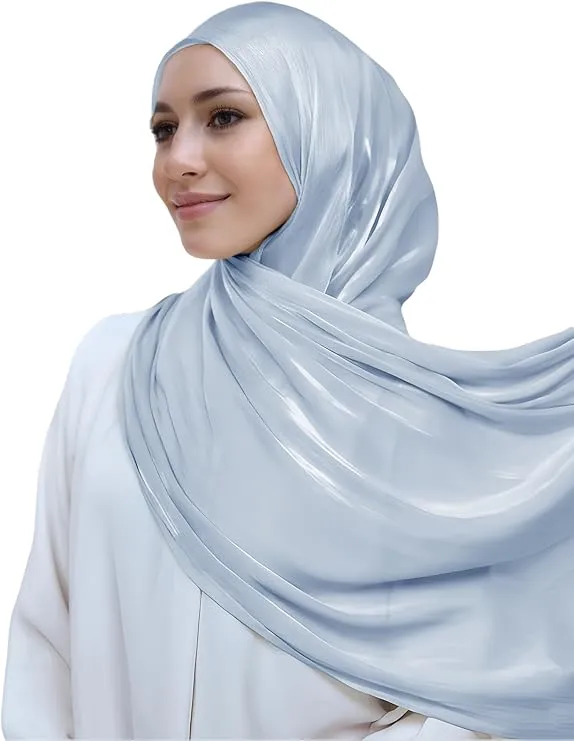
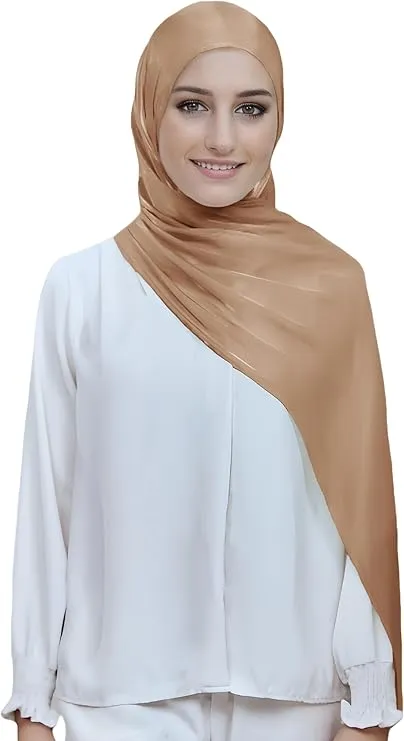
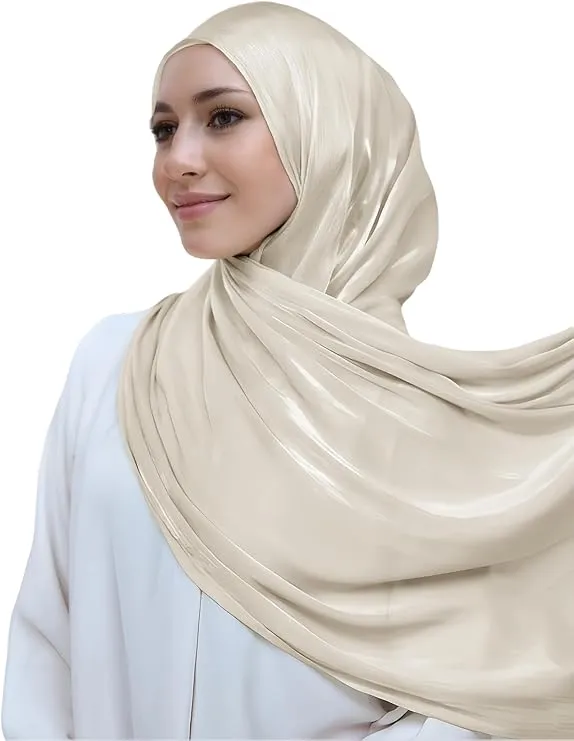
The best bridal hijab for 2026-27 wedding season is the luxury hijab in lightweight satin crepe - the weight and shine help them create lovely structured customizable hijabs with a bridal hijab stylist. The beautiful sheen addition makes this wedding hijab appear as a lovely accessory, not merely a necessity for hijabi brides. Bridal hijab fabrics in satin crepe also have non-slip underside - perfect for creating wedding hijab styles that wrap more than once around the head. READ MORE BELOW...
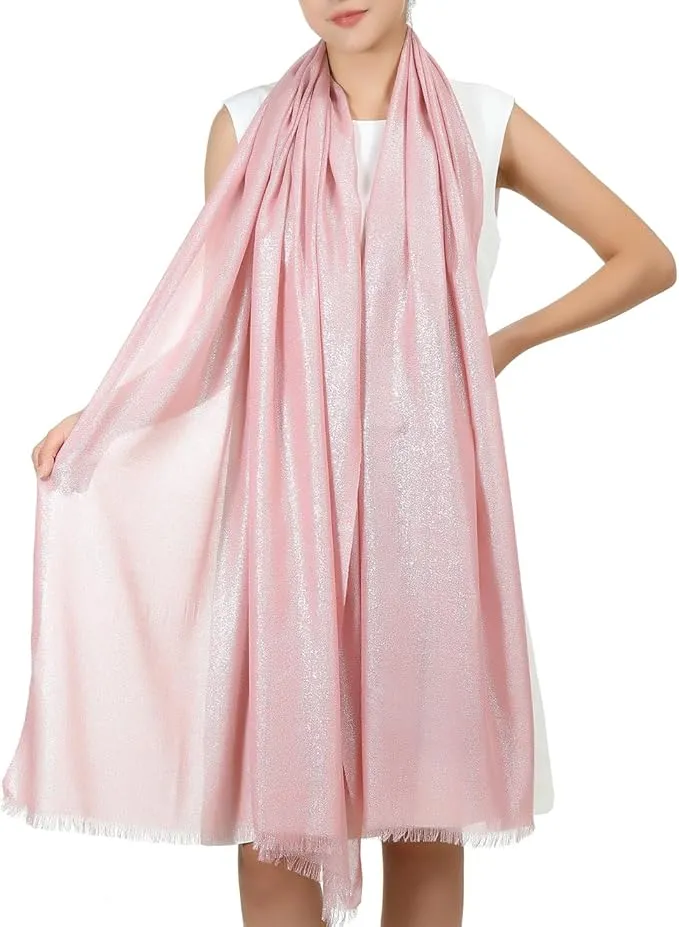
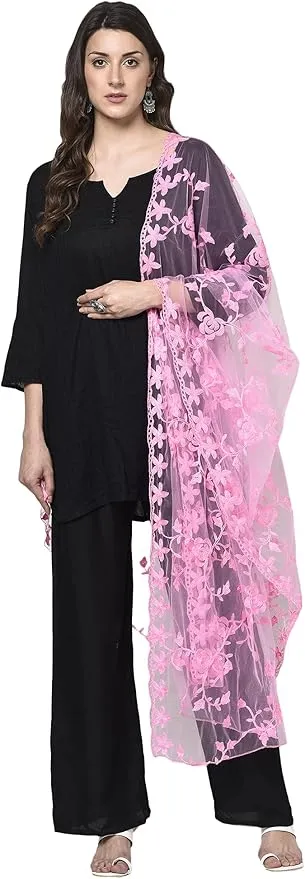
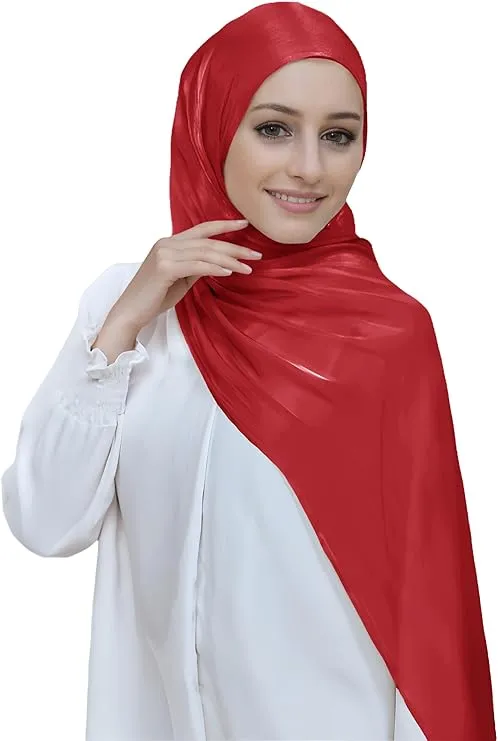
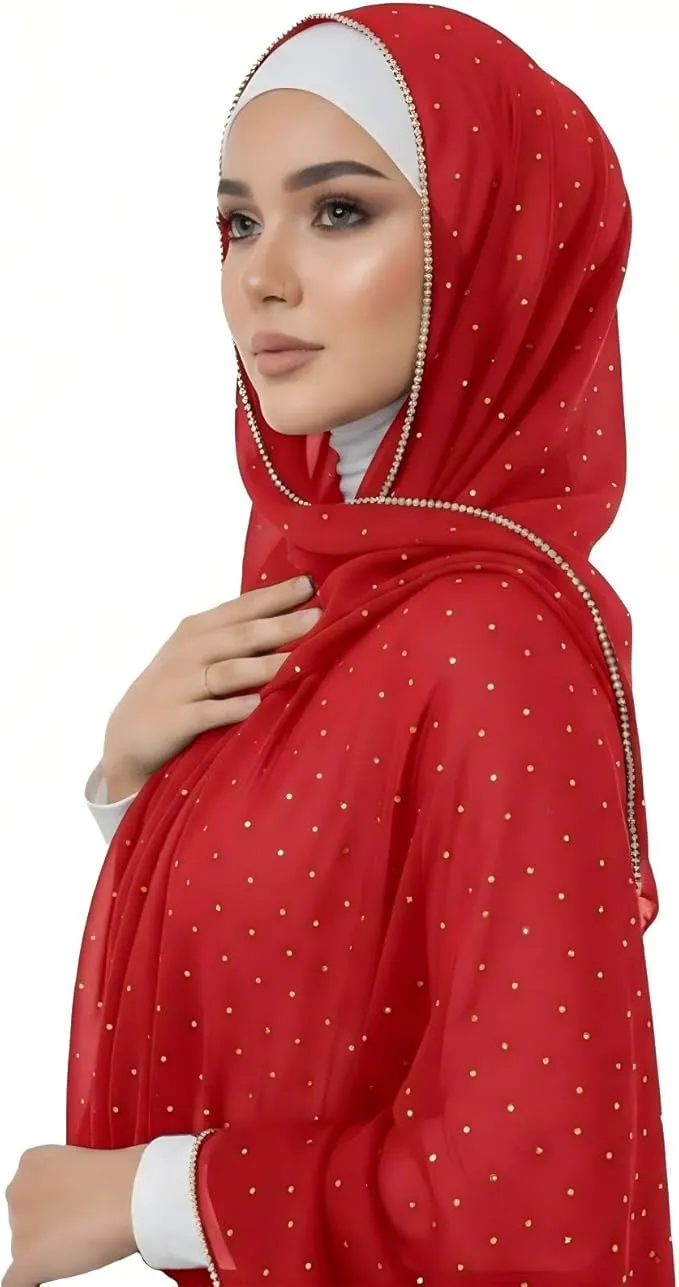
Hijab Styling with Bridal Dupatta and Nikkah Jewelry
| "Bridal Styling for Hijab" | |||
|---|---|---|---|
| "Hijab Fabric Type" | "jewelry over the top" | "jewelry underneath" | "dupatta over the top" |
| Chiffon | ✓ | — | ✓ |
| Organza | ✓ | — | — |
| Silk | — | ✓ | — |
| Crepe | — | ✓ | — |
Best Bridal Hijab for 2026? Modern Bridal Hijab Fabrics, Colors, and Styling for Hijabi Brides
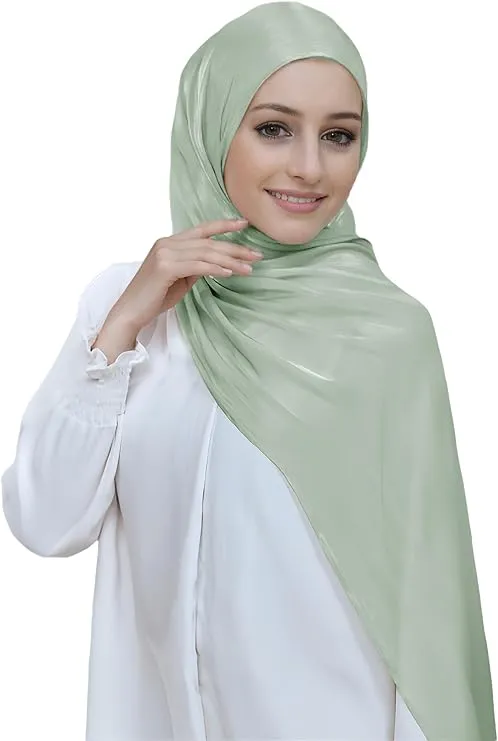
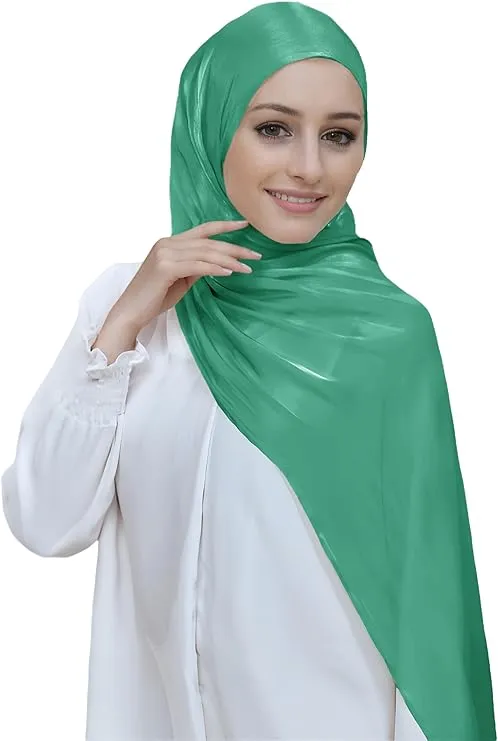
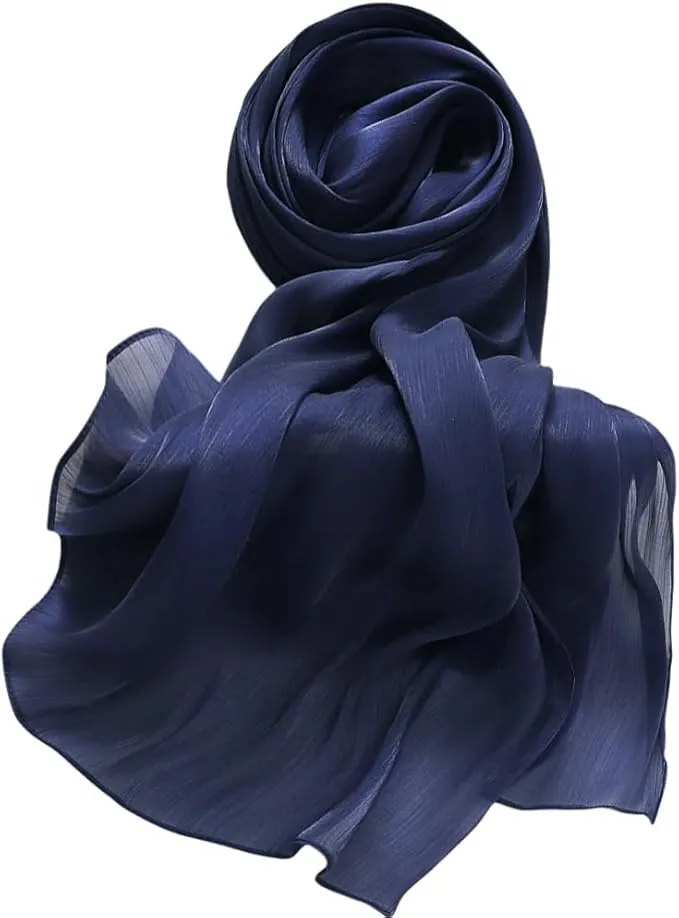
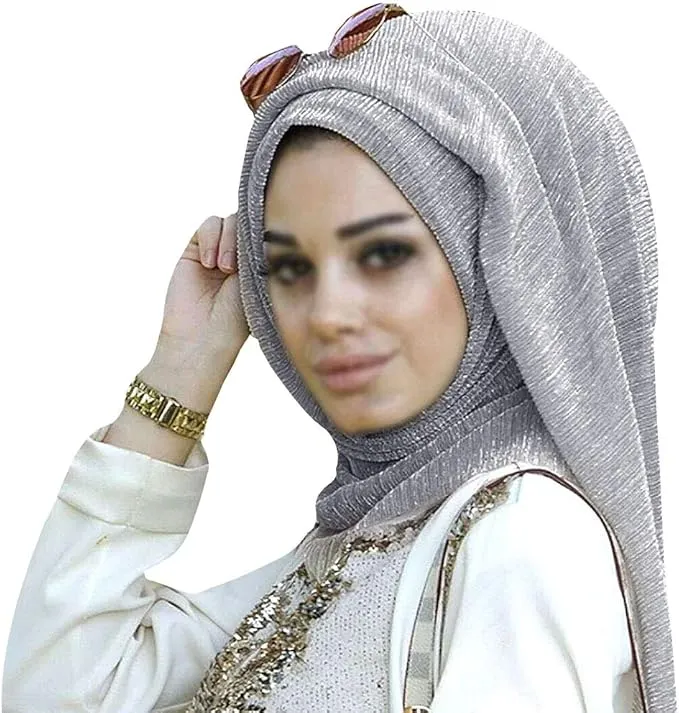
Lightweight satin crepe is the modern bridal hijab that most closely follows hijab fashion trends for 2026. US hijab designers are looking towards hijabs that add extra zing to Islamic bridal attire. The shiny surface of satin crepe looks stunning with modest wedding dresses, and not merely an add-on. It's a fully customizable hijab and easy to work with for most bridal hijab stylists. Despite its lightweight feel, satin crepe has a textured matte side with a slight grip, while the wearable side has a sheen that photographs well against embroidered dresses and lehengas. Because of the matte underside, hijabi brides can wear nikkah jewelry underneath — preventing it from sliding on a silky finish - or other bridal hijab accessories, like crowns, over surface. The Hijabi Bridal collection for this luxury hijab is available in champagne, ivory, red, navy, sage green, lavender, jade, and light blue.
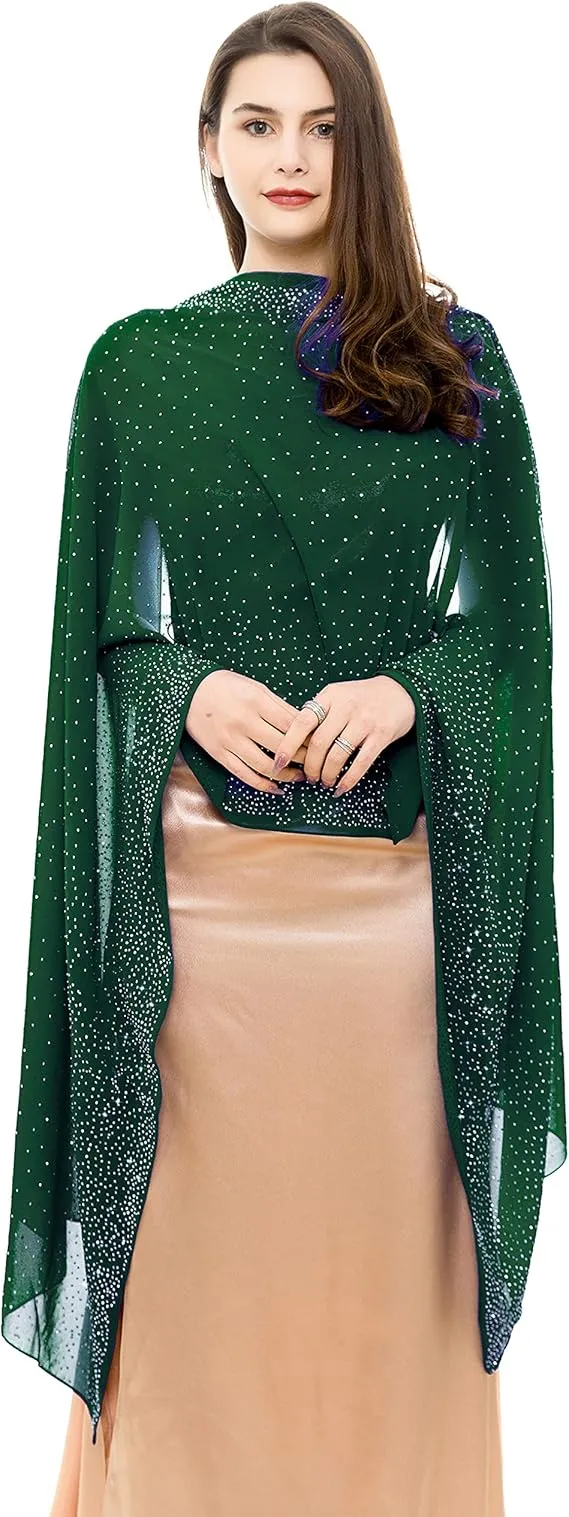
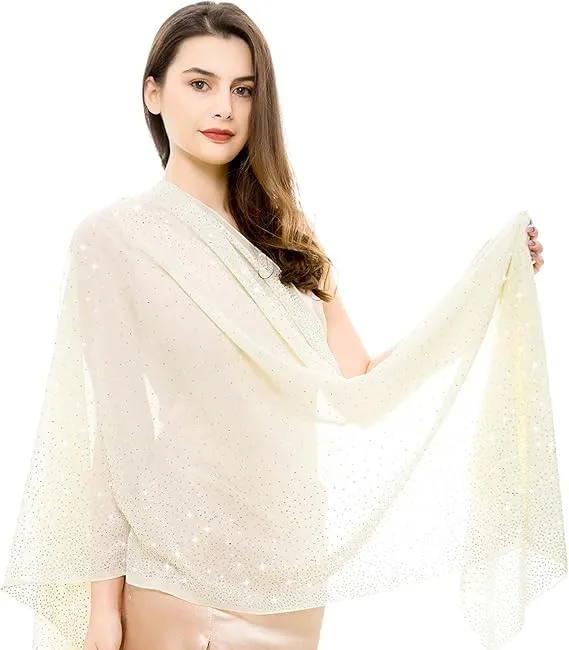
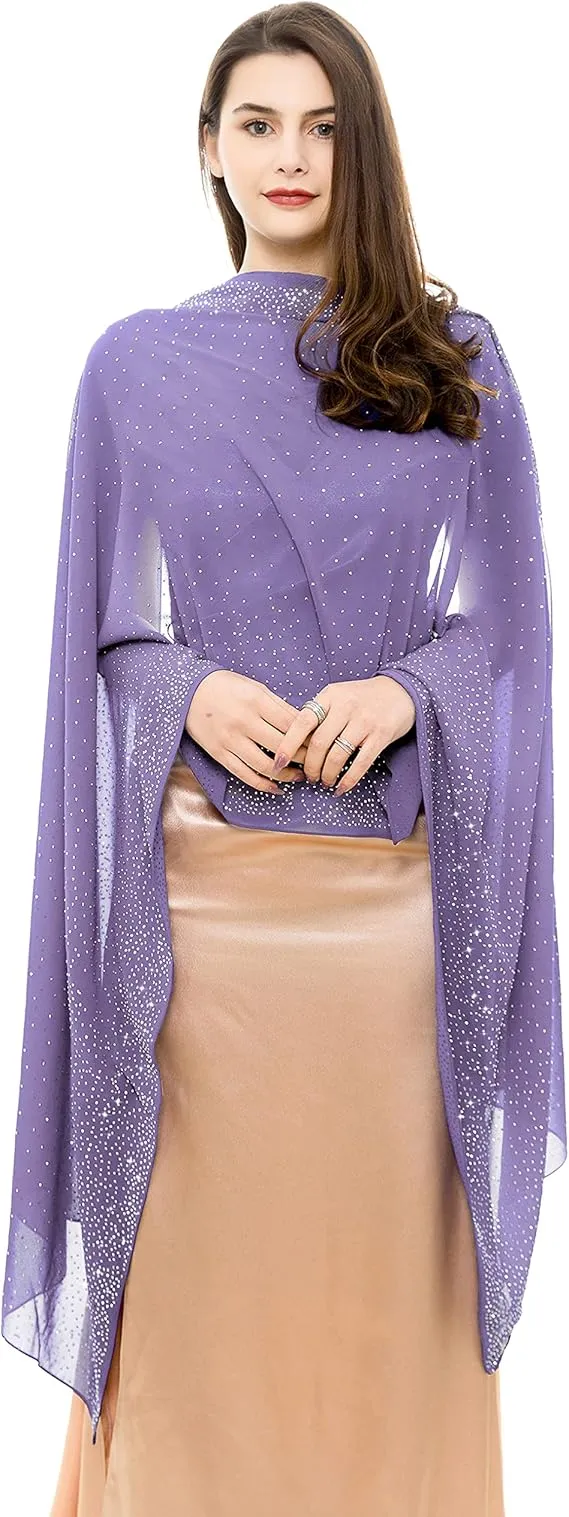
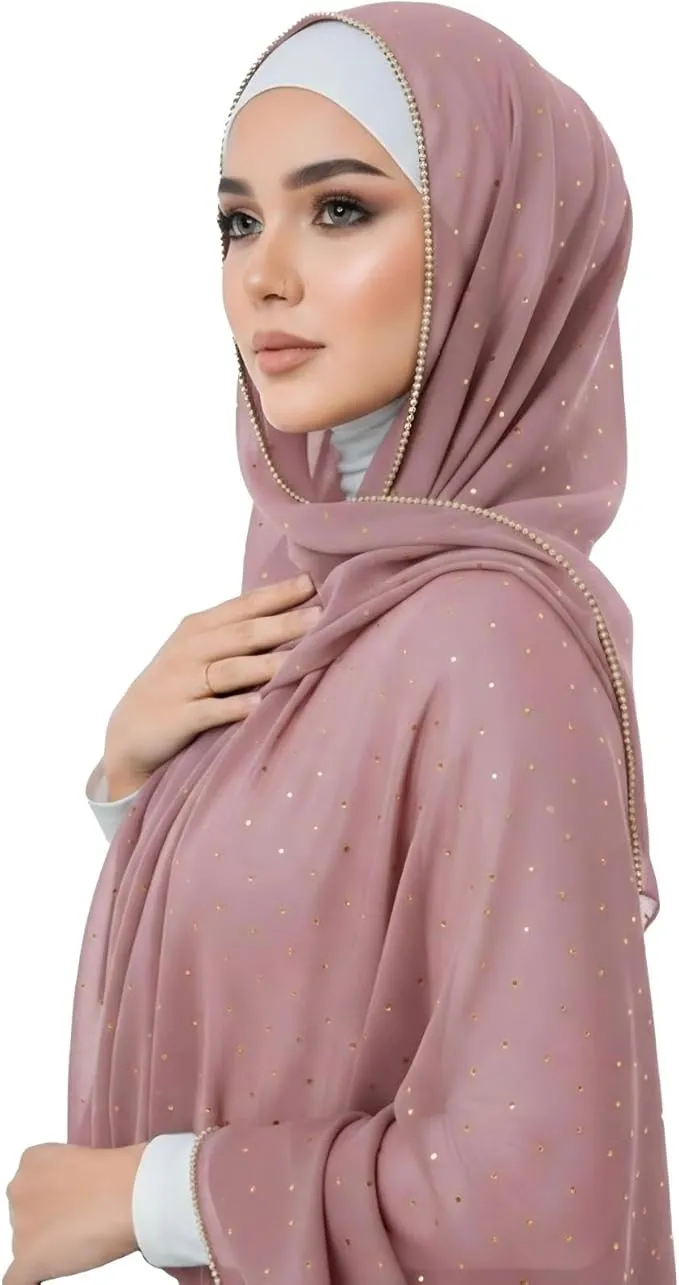
Chiffon sparkle hijabs follow satin crepe in modern bridal hijab fashion trends for 2026. The sparkle compliments Islamic bridal atire and catches light throughout the ceremony without adding weight. As a hijab fabric, chiffon is worn by many hijabis daily. This makes it the easiest fabric to wrap as a wedding hijab. It is also preferred by bridal hijab stylists as a customizable hijab because it's easy to work with. It also has a wider width, making it an excellent plus-size hijab. If you're contemplating plain chiffon as your wedding hijab, sparkle chiffon its natural upgrade and comes in almost as many colors. For hijab styles, sparkle chiffon works best with jewelry over the top — a maang tikka or bridal crown — because the fabric has enough texture to grip lightweight accessories. US hijab designers and stylist frequently pair a dupatta worn over a sparkle chiffon hijab to create the layered cultural wear look popular at South Asian Muslim weddings.
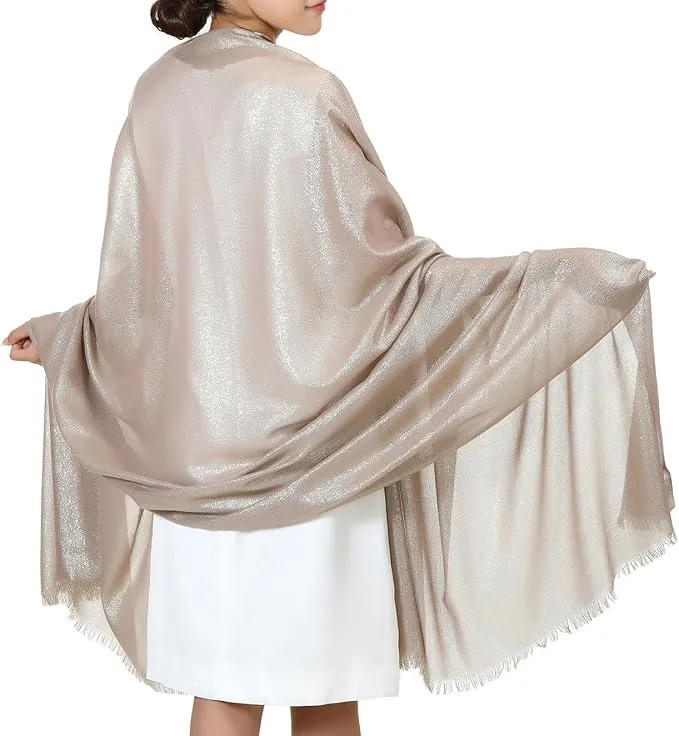
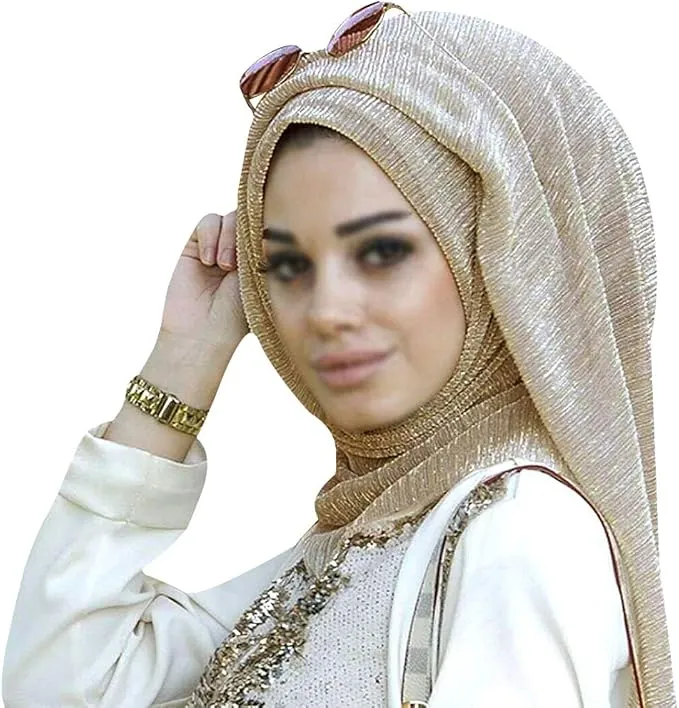
Fluffy metallic hijabs in gold and silver are the luxury hijab that contrasts the best with the embroidery on your modest wedding dresses. This modern bridal hijab fabric uses texture to add height — a useful tool for hijabi brides whose wedding attire is heavily embellished at the hem and waist, as the added crown height balances the overall silhouette. This style perfectly goes with Muslim wedding traditions as it even covers the outline of the hairstyle underneath.
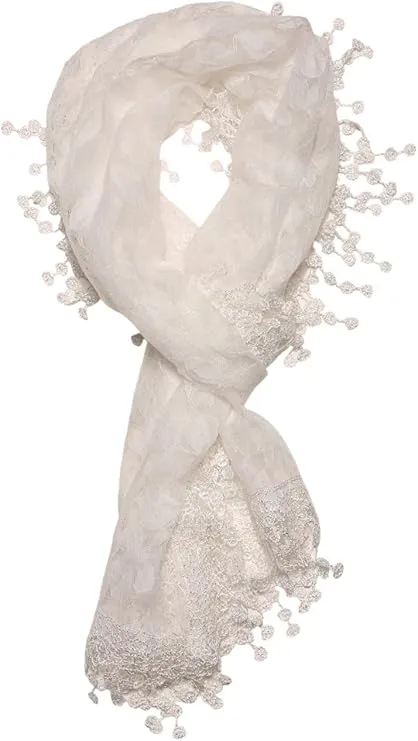
Net and lace wedding hijabs are meant to be worn in one layer, loosely, over a satin underscarf. As bridal hijab accessories, underscarves can be indispensable in keeping a loosely worn hijab in place. As these can be as large as dupattas, they also cover the bust well as plus-size hijabs. The beautiful patterns makes them luxury hijabs in their own right, and they perfectly embellish the simpler, modern modest wedding dresses.
What colors are popular for bridal hijabs?
Modern bridal hijabs in red, or a white hijab or ivory hijab are the most popular colors - mirroring the top bridal colors in the American Muslim community. Pastel colors, as a modest fashion trend, are catching up quickly and coincide with the wider bridal industry where pastel colors for weddings, like peach and lilac, are everywhere. Color matching between the bridal hijab and the modest wedding dress or lehenga is the first coordination decision — and the most visible in photographs. The most reliable approach for hijab fabrics is an exact match: a champagne crepe hijab with a champagne lehenga, a red sparkle hijab with a red dress. Exact matching works because the hijab becomes a seamless extension of the attire. An ivory hijab with an ivory or off-white dress is the simplest version of this principle and works across Islamic bridal fashion from Middle Eastern to North African traditions. Also for American hijabi brides with a mixed guest list who expect cultural exchange in their US wedding, a white hijab or ivory hijab paired with a white dress reads as fully bridal to all guests regardless of cultural background.
For brides who want contrast rather than matching, the most effective pairings follow the same logic as color theory — warm with warm, cool with cool. Contrasting plus-size hijabs work well to draw attention away from the hijabi's curves. But in general, a gold fluff hijab with a champagne lehenga that has gold embroidery reads as intentional. A silver satin hijab with a light blue dress that has silver embroidery does the same. Contrast works when both colors share a tone family and match well with the embellishments. A lace hijab in ivory over a navy dress is one of the most elegant contrast pairings and a growing choice among hijabi brides drawn to a modest aesthetic that photographs with an editorial quality.
Curated from Amazon.com, our modern bridal hijabs are sold in champagne, ivory, white, red, navy, sage green, lavender, jade green, light blue, and pink. It's your choice whether to have embroidered designs or lace details on your wedding headscarf, but the trending style in Islamic bridal fashion is to use satin sheen lightweight hijabs or gold flecked chiffon with no other embellishment. In Muslim wedding traditions, the dupatta is placed over the hijab, sort of like a wedding veil alternative, and dupattas always have a decent amount of embroidery. Having embroidery on the wedding headscarf and bridal dupatta veil can be overkill. So you don't overdo it or look too plain on your wedding, it's a great idea to do a wedding dress up with bridal makeup at least a week before the big event to make sure your entire look is well coordinated. Read on for more hijab styling tips.
What Are Some Modern Bridal Hijab Styles for Hijabi Brides?
The five most common modern bridal hijab styles seen at US Muslim weddings in 2026 are the classic Turkish style, the Arab drape, the turban style, the loose flowing style, and the wedding veil style. Each has different fabric requirements and different relationships to bridal accessories, wedding dress up bridal makeup, and overall silhouette. Decorated bridal hijab with niqab are also used by some to hide their makeup from men at the gathering. Choosing the right bridal hijab is as important as any other element of American Muslim wedding planning. Understanding the range of modern bridal hijabs helps a hijabi bride choose the right fabric before her stylist appointment.
The classic Turkish style — one of the most structured bridal hijab styles — is an Islamic fashion trend that uses heavy sateen or organza wound firmly around the head, creating a sculpted shape at the crown. This style works best when wedding dress up bridal makeup is equally defined: strong brows, a bold lip, and precise eye makeup balance the height and architecture of the wrap. A modern bridal hijab in sateen is the most common choice for Turkish wrapping. The Arab drape is is even more structured and is layered in pleats near the face as one of the most requested Islamic fashion trends for 2026. This is where the lightweight satin crepe truly shines as a customizable hijab by stylists in New York City hijab boutiques.
The turban style — an increasingly popular adaptation from Los Angeles modest fashion designers — wraps the fabric flat against the head with volume at the crown, creating a sleek silhouette that suits hijab wedding dresses with heavy embellishment at the neckline. Sparkle chiffon looks lovely as a turban! Makeup for the turban style tends to focus on the eyes, since the hijab draws attention upward. The loose flowing style uses a net or a lace shawl type hijab that drapes naturally over the shoulders, pairing beautifully with lighter modest wedding dresses with lace overlays.
The embroidered dupatta or crystal beaded dupatta looks lovely for the wedding veil style. This is when a heavily embellished dupatta edge is placed over the hijab and nikkah jewelry. It's the most ornate bridal hijab look in Miami Islamic wedding photography and is a Muslim wedding tradition that's always worth duplicating in white or any color you choose.
Hijabi Brides: Wearing Nikkah Jewelry with the Hijab
How nikkah jewelry interacts with the hijab depends entirely on the fabric. For lightweight satin crepe, the recommended approach is to wear jewelry underneath — earrings and necklace resting against the neck and ears beneath the fabric. This crepe is smooth enough that the jawline of the jewelry shows clearly at the fabric's edge, creating a clean and intentional look. Loose hijabs also tend to use jewelry underneath while and tier earrings and chokers take the created space in a georgeous manner. For lightweight satin crepe, bridal hijab accessories, like a crown, can be worn over the top of the bridal hijab.
For chiffon sparkle styles, jewelry over the top is the recommended approach. Chiffon has enough texture at the pin points to anchor a maang tikka or decorative headband onto the fabric. Because sparkle chiffon is sheer in natural light, jewelry worn over the top catches the light alongside the fabric, creating a layered shimmer effect that photographs particularly well at indoor weddings with overhead lighting. A white hijab or ivory hijab in sparkle chiffon with a pearl maang tikka on top is one of the most photographed hijab and jewelry combinations at Islamic weddings this season.
Jewelry placement also depends on the wrap. Hijabi brides wearing a Arab or Turkish-style wrap in a metallic fluff fabric typically anchor their nikkah jewelry into the wrap itself — a crown or other jewelry holds the wrap in place while adding a decorative element. Makeup should always be finalized before jewelry and the hijab are placed, so the full picture — hijab, jewelry, and any dupatta layer — can be assessed as one complete look.
Hijabi Brides: Dupatta and Wedding Veil Styling Over the Hijab
The dupatta worn over the bridal hijab is one of the most popular cultural wear styling choices at South Asian Muslim weddings in the US. The dupatta is laid over the existing hijab and pinned just behind the hairline, with its decorative edge framing the face. For this layered look to work, the dupatta and the hijab should be in complementary rather than competing fabrics — a sheer net dupatta over a crepe hijab creates depth; a velvet dupatta over a sparkle chiffon hijab creates visual noise. The dupatta should always be lighter in fabric weight than the hijab beneath it.
This veil-over-hijab approach follows a similar logic. USA Muslim brides who want a Western veil element typically pin a short tulle veil at the crown of the hijab after it is wrapped. Alternatively, a full dupatta in a matching color can flow behind as a wedding veil. This works best with a crepe or chiffon Islamic wedding hijab that has enough structure to anchor the veil without unwrapping. A white hijab in crepe is the most stable base for this layering.
For hijabi brides who want neither a dupatta nor any additional layer over the hijab, the hijab itself becomes the complete head covering statement. A gold fluff hijab or a heavy silver satin Islamic wedding hijab worn alone creates enough visual impact for a fully intentional bridal look. This choice is increasingly popular within Muslim wedding traditions in the US, where brides treat the hijab as a design element in its own right. Modern bridal hijab fashion trends in 2026 confirm this shift: more brides are choosing a single carefully chosen hijab over dupatta layering, particularly when wedding dress up bridal makeup is strong enough to carry the complete ensemble.
How do I Choose the Right Bridal Hijab for my Face?
Bridal hijabs from Amazon give a lovely selection of hijab materials for your Muslim wedding style that perfectly match different skin tones. But how exactly do you style a bridal hijab according to face shape? Out of all the face shapes, there are actually only two when it comes to hijab. There is the oval face and the non-oval face. If your face type is perfectly oval, you can wear tight bridal hijab styles like those lovely pleated structured looks with nikkah jewelry on top or Turkish hijabs that are wapped tightly around the face and neck. If your face is not oval but round, square, heart shaped or oblong, know that tight hijab styles are going to emphasize your chin, cheeks and forehead. So while hijab material matters for your wedding style, as you really don't want a drab, plain chiffon hijab, the way you wrap your bridal hijab can make or break your overall look.
So if you can't wear a tight bridal hijab style, what are the alternatives? Like any other bridal fashion trends, the color of your bridal hijab, outfit and wedding day makeup should match your skin tone. After you've found what you need with your bridal hijab Amazon shopping, follow these hijab styling tips.
Dupatta with hijab as a wedding veil look - If you're following Muslim wedding traditions by wearing a dupatta as a wedding veil, and you don't have an oval face shape, the matter is simple. Wear your tight style with nikkah jewelry on top of the hijab then drape your dupatta over it and bring it forward on both sides. This way the loose fabric will grace your face in a feminine manner. If you need more height, say if you have a heart shaped or round face, don't pin the dupatta at the top but allow it to create its own peak. If you have an oblong or square shaped face, pin the top of the dupatta to your hijab, so it will slightly flare outward on the sides, lending an appearance of a rounder face.
Loosely pinned bridal hijab - Loosely worn bridal hijabs are the perfect solution when your face type is a square face or a round face. Loose hijabs grace the sides and top of the face and only need one pin at the top to hold them in place. Wear your nikkah jewelry underneath a loose hijab, and the looseness allows your choker, earrings and maang tikka to show. Then throw one end over your shoulder.
Pinned loose hijab - If you have a square or round face, a pinned loose hijab will help make your face look like an oval face shape. Under your chin, gather two inches of fabric on each side and pin it in the center. The lower you pin it, the more your choker will show. The fabric on the sides will naturally flow on the sides of your face. Add a single pin to the top also, to keep it in place. This style is very popular in US Islamic wedding customs because both sides can go to the back as opposed to the previous look where the hijab is placed over the shoulder like a dupatta.
Your bridal hijab from Amazon will work for all these styles.
How to secure a bridal hijab on my wedding day?
So that your wedding attire looks put together with your hijab it's important to know how to secure a bridal hijab for your wedding day. You want a bridal hijab style at the top of modest fashion, not a mess, not part of your hairstyle showing underneath. All that considered, don't just go for the most beautiful bridal hijab for sale. Use a fabric you're already familiar with and to tie it in your everyday style. If that sounds boring, just remember that chiffon is available with bridal detailing like sparkles and crepe can be shiny. Yes, a bridal hijab becomes another bridal accessory in this context, but you want to keep it on your head, so stay with what's familiar. If you start with an unfamiliar fabric, practice wearing that particular fabric type day by day to see how it moves, how it stays and whether you need a hijab cap underneath it.
The next test to secure a bridal hijab on your wedding day is to consider, durin gyour halal wedding planning, if you are wearing something else on your head with it. Islamic wedding traditions don't normally incorporate wedding veils or bridal headpieces like crowns, but cultural bridal trends and current day Muslim wedding wedding customs just might. Scroll wedding sites like Hijabi Bridal and social media like Instagram, TikTok and Pinterest to see if you like the look of a crown or wedding veil with your hijab, or whether you will use a bridal dupatta like a wedding veil or not. USA Islamic fashion is a blend of all cultures, so don't feel shy, go with what you like. When you've nabbed a look, wrap your hijab and practice with it. Is it heavy? Does it move your wrap? How long can you wear it with all intact? Add pins and try again until your questions are answered positively.
Finally, if you live in an urban area, consider cutting through all this prep and go directly to a hijab stylist. This is the best option to coordinate your dress with your makeup, dupatta, veil and hijab all in one. She'll probably use 500 pins and more to secure your look just the way you want it, but it certainly won't move and your hijab won't fly away.
Modest Wedding Fashion, Islamic Clothing Standards for Hijabi Brides, and Online Shopping
A hijab worn on the wedding day meets the same Muslim wedding traditions and daily customs as any other — covering the hair, ears, and neck with opaque fabric, leaving the face uncovered. No additional requirement exists specifically for a wedding context. The bridal designation is entirely about fabric quality, color coordination, and fashion styling within the context of the complete look. A Muslim bride who wears hijab daily will continue wearing it on her wedding day — the question is simply which style best serves the full picture.
The range of bridal hijab options for Muslim weddings in the US has expanded significantly through online shopping. Hijabs that were once sourced through specialty boutiques or imported from overseas are now available on Amazon in dozens of styles, colors, and fabric weights. Online shopping allows US hijabi brides to order multiple colors, photograph them against the dress or lehenga at home, and return what does not work — a flexibility in-store shopping rarely offers. A modern hijab in lightweight crepe, an ivory hijab, and a white hijab can all arrive together for comparison before the Muslim bride commits to her final look.
The growth of online shopping for Islamic clothing has made couture-level aesthetics accessible at everyday prices. Several styles in this collection — particularly the satin crepe Arab wrap and the fluff hijabs — draw from design traditions where the head covering is treated as a statement piece of Islamic clothing rather than simply a functional necessity. For hijabi brides seeking an embroidered hijab, a beaded option, a vintage motif, or a silk hijab — the dupatta collection at https://hijabibridal.github.io/shop/category/bridal-dupatta offers all of those options, each designed to function as both a modest statement and a complete statement piece.
Is the hijab a modern thing?
The hijab has risen as a modern fashion trend due to the acceleration of women wearing this form of religious expression - although the actual practice goes back to the start of Islam more than 14 centuries ago. Hijab is a part of religious requirements, and those who wear it unconciously dispel negative myths about Islam, and about hijabis, in particular. Using modern hijab styles, hijabis in Muslim American culture have been at the forefront of cultural exchange in the West, sometimes unintentionally. Fashion designers have taken popular street wear, in this case the hijab, and brought new fashion trends from it. Hijab has become a modern symbol of freedom of expression and safety from unwanted glances, which is how it started centuries ago.
In bridal fashion, the hijab is just as visual. Modern bridal hijab fabrics and unique styling has made Muslim wedding attire its own fashion industry. Islamic wedding traditions encourage hijab, but contemporary usage has made bridal hijabs sought after as an accessory instead of simply a requirement. Silky headcoverings and gold-flecked scarves wrapped with pleats and nikkah jewelry are an integral part of wedding attire, not an unwanted add-on, and a point of interest and pride for each bride who wears one. While cultural sensitivity might keep guests from remarking on it directly, they can't help but comment, Oh how lovely!
Where can I buy the best hijab online?
If you're looking for wedding wear, you can buy the best bridal hijab online right on Amazon. We filtered through the bridal hijab available on Amazon them to find the ones that lend themselves to fancy looks the best without clashing with wedding patterns or embroidery. So if you're wondering where can I buy high-quality hijabs online, scroll this page for American Muslim fashion with US shipping. Amazon is the online store where you'll find bridal hijab that are dressy enough for your wedding and blend into your overall look.
What is the best fabric for a hijab for a wedding? Satin crepe, studded chiffon and metallic varieties are all examples of wedding hijab that empower your modest wedding attire while not overpowering it. You want to avoid heavily embroidered hijabs that don't blend with your overall look. When in doubt, check everything in the mirror!
At the same time you don't want your normal abaya and jilbab modest fashion look for Islamic bridal wear. Avoid fabrics like modal, jersey, plain chiffon and pattern hijab styles. Patterns are lovely ways to paint a plain garment for Ramadan clothing, but they just don't work for a Muslim wedding. Whether you're the bride or not, go for studded and shiny looks at a wedding, not the polka dots and abstract prints you wear on the daily.
Which color is best for hijab?
The color that is best for your hijab is the color that suits your face the best. Hijab is women's apparel at its core, so what colors suit you? Hijab isn't a fashion accessory that you match with your shoes or bag. This headscarf is very close to your face and should match with your skin color and undertones. You can take hints from your natural hair color. If your hair is black, a black hijab can't help but look stunning on you. Same for chestnut, blond or red hair. If your hair is brown, pay attention to the type of brown. If you have a dusty brown or a dishwater blond, a dusty peach colour hijab, sage green, dusty plum or mauve will probably all look smashing on you. If you have red hair, go with a coral color. Chestnut is a reddish brown and blond looks closest to pale yellow or gold. These are the colors that are best for your hijab.
The hijab is as much a personal style statement as it is religious expression. If you're not an actual bride, you don't have to match your clothing so closely with your hijab. You can wear similar or contrasting colors in Islamic clothing, as your personality permits. Colors in modest fashion are as individual as they are in other forms of clothing. Summer or fall might see you in a peach color, if that's close to your skin tone. Your clothing might also be peach or, in classic Muslim women's style, you might pair it with russet earth tones for fall. If you have a dark skin tone, white actually might be your hijab color and you can pair it easily with navy. Varying tones of taupe and beige hijabs are cultural diversity at it's best. These colors find room in most closets as they match the most skin tones, from fair to olive to dark brown.
Embellished hijabs are best for Eid celebrations and weddings, while patterned hijabs are used as a splash of color on monochrome Islamic clothing canvases. Fashion trends will change, but these basic tips will help you choose a hijab color.
Frequently Asked Questions
What is the best bridal hijab for 2026?
The best bridal hijab for 2026 is the luxury hijab in lightweight satin crepe. Bridal hijab fabrics in satin crepe are a beautiful shiny addition to your Islamic bridal attire - not merely a necessity. They have a non-slip underside - perfect for creating wedding hijab styles that wrap more than once around the head. The weight and sheen help them create lovely structured customizable hijabs with a hijab stylist.
What is a bridal hijab?
A hijab chosen specifically to complement a Muslim bride's wedding attire — her dress or lehenga, her nikkah jewelry, and her dupatta. It meets the same Islamic wedding clothing requirements as an everyday hijab but is selected for how it photographs, how it holds with bridal accessories, and how it coordinates with the complete look. Fabric types include crepe, chiffon, lace hijab, fluff, and heavy satin, each designed for a different wedding hijab styles purpose.
What fabric should I choose?
Crepe is best for secure wrapping and jewelry underneath. Sparkle and plain chiffon suit jewelry over the top and dupatta layering as a wedding veil. Fluff adds height at the crown. Heavy satin and organza is for Turkish wedding hijab styles.
How do I match the hijab to my wedding dress?
Exact color match is the most reliable approach — a white hijab with a white dress, an ivory hijab with an ivory gown. For texture, pair a satin crepe modern hijab with a heavily embroidered dress, and a sparkle or lace hijab with a lighter wedding dress. All styles are available in the same color names as the bridal dresses and lehengas in the collection.
Can I wear nikkah jewelry with the hijab?
Yes. For chiffon and sparkle, jewelry over the top works well as a bridal accessories layer. For crepe, jewelry underneath is more stable. For heavy satin Turkish-wrap, jewelry is anchored into the wrap itself. Wedding dress up bridal makeup should be completed before jewelry and hijab are placed so the full look can be assessed.
How do I choose the right bridal hijab for my face?
Bridal hijabs from Amazon give a lovely selection of hijab materials for your wedding style that perfectly match different skin tones. But how exactly do you style a bridal hijab according to face shape? Out of all the face shapes, there are actually only two when it comes to hijab. There is the oval face and the non-oval face. If your face type is perfectly oval, you can wear tight hijab styles otherwise loose styles reign.
Can the hijab be worn with a wedding veil?
A short tulle wedding veil can be pinned at the crown of the hijab, or a full bridal dupatta can serve as a wedding veil alternative. A white hijab or ivory hijab in crepe is the most stable base for this layering. This is a common choice for fusion and interfaith Islamic weddings.
Is the hijab a modern thing?
The hijab has risen as a modern fashion trend due to the acceleration of women wearing this form of religious expression - although the actual practice goes back to the start of Islam more than 14 centuries ago.
What are the different modern bridal hijab styles?
The five main modern bridal hijab styles in 2026 are the classic Turkish style, the Arab drape, the turban style, the loose flowing style, and the wedding veil style. Each requires different fabrics: sateen for Turkish wrapping, a crystal beaded hijab or lace hijab for the loose style, and a crepe Islamic wedding hijab as the base for the wedding veil style, with an ornate dupatta worn over the hijab like a wedding veil. Bridal makeup choices should be coordinated with the chosen wedding hijab styles for a cohesive look.
Which color is best for hijab?
The color that is best for your hijab is the color that suits your face the best. Hijab is women's apparel at its core, so what colors suit you? Hijab isn't a fashion accessory that you match with your shoes or bag. This headscarf is very close to your face and should match with your skin color and undertones - so take a hint from your natural hair color.
What colors are popular for bridal hijabs?
Bridal hijabs in red, or a white hijab or ivory hijab are the most popular colors as these are the top wedding colors in the American Muslim community. Pastel colors are catching up quickly in modest fashion trends and coincide with the wider bridal industry where pastel colors for weddings, like peach and lilac, are everywhere.