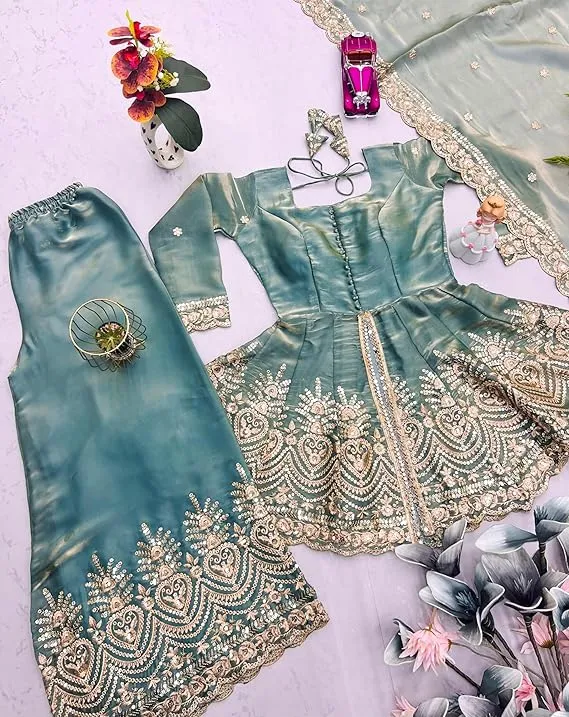
Blue Velvet Dupatta
Purchase on Amazon.comRelated Products:
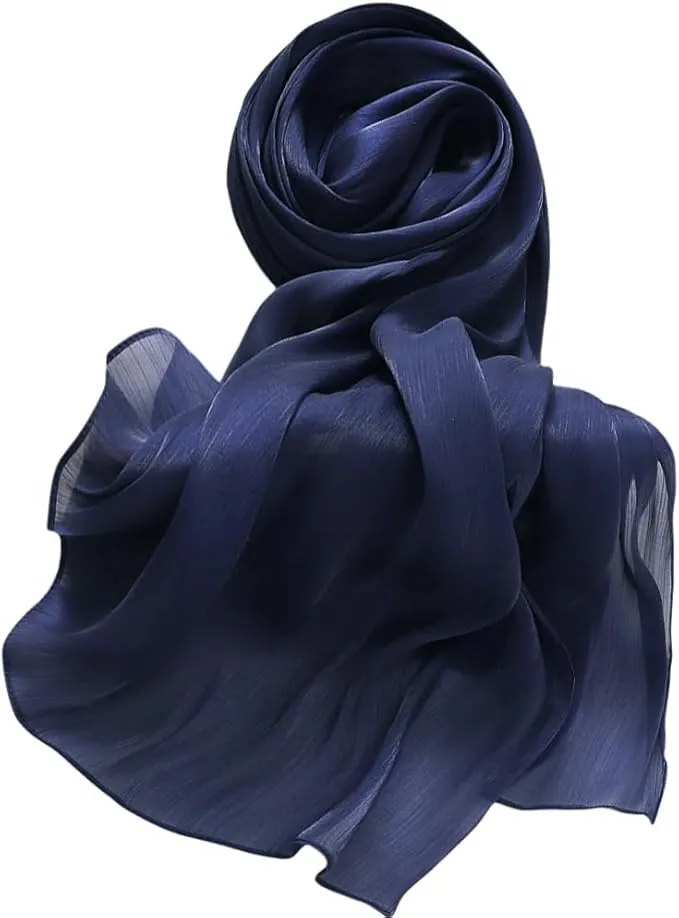
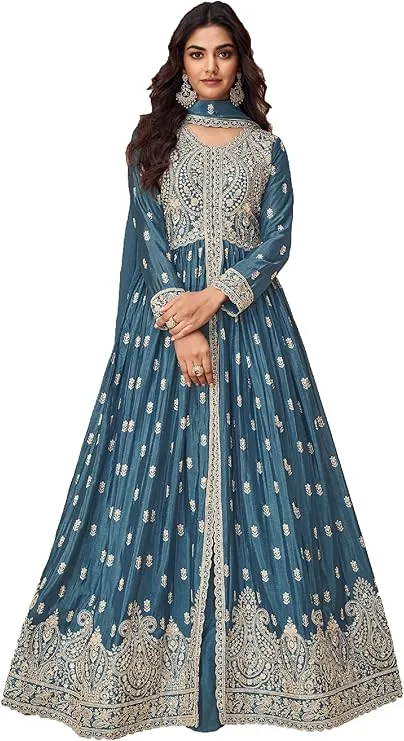
The decision between a velvet dupatta and a silk dupatta comes up constantly in USA wedding planning conversations, and it is worth addressing directly. A silk dupatta is lighter, more fluid, and works beautifully in movement photos where you want the fabric to catch the air. A velvet dupatta, however, gives you something a silk dupatta cannot — reliable structure and hold, especially when worn over a hijab. The weight of the velvet luxury fabric means it stays in place with minimal pinning, which matters when you are wearing your bridal dupatta across a full day of events. For hijabi brides who need their heavy bridal dupatta to stay centered and frame their face consistently through ceremony, portraits, and reception, this velvet dupatta is the more dependable choice.
Best Heavy Bridal Dupatta for 2026?
The couture bridal wear trends and 2026 fashion forecast cycles has put blue at the center of several major bridal editorial features, particularly in the context of South Asian bridal wear's ongoing expansion into non-traditional color palettes for wedding dress accessories. This blue velvet dupatta fits directly into that editorial narrative. It functions as a heavy embroidery dupatta with traditional designs through its gold border detailing, which delivers the ornate finish of a fully embroidered piece without the added rigidity that heavy embroidery can create. A beaded dupatta achieves texture through physical beading at the border or across the surface; this embroidered dupatta with traditional designs creates the same sense of richness through metallic thread and border density alone.Among the wedding dress accessories that complete a hijabi bridal look, a heavy bridal dupatta is the one that carries the most visual weight in photographs. That is why brides increasingly look for designer dupatta collections that read as elevated and intentional — not just a matching piece from a lehenga set with Islamic customizable options, but a standalone statement accessory. This heavy bridal dupatta functions as a designer dupatta in exactly that sense: it has enough visual complexity through its luxury fabric and border to stand as the defining piece of a bridal look, even when worn with a simpler lehenga underneath, one with Islamic customizable options.
The double-dupatta styling approach that has defined couture bridal wear trends and 2026 fashion forecasts works especially well with this blue velvet piece. Pairing it with a lighter silk dupatta as the inner layer creates a contrast between fluid and structured, luxury fabric that adds depth to the overall silhouette. The silk dupatta might be worn across the arm or draped over one shoulder, while this heavy dupatta is pinned over the hijab and falls to the back. The combination of a heavy outer dupatta and a lighter inner layer is one of the most photographed bridal techniques in current Indian wedding fashion editorial work — and it is one that works just as naturally for Pakistani bridal wear aesthetics.
Practical bridal dupatta styling tips begin with understanding why this velvet dupatta behaves differently than a silk dupatta or a beaded dupatta. Velvet's pile structure creates natural grip against fabric and hijab pins, which means it is less likely to shift during a long event. Set your jewelry over your hijab first, then position the heavy bridal dupatta centered over your head with the gold border framing your face. A single pin at the crown is often sufficient to keep it in place through the ceremony. For a more contemporary reception look, accordion-fold one end and let it fall across a shoulder — the weight of the velvet luxury fabric holds the fold without additional pinning, which is one of the practical advantages this heavy dupatta has over a silk dupatta or lightweight heavy embroidery dupatta in the same scenario.
Blue velvet as a bridal luxury fabric also carries specific advantages for indoor event lighting, which is where most South Asian weddings in the US take place. Under warm artificial light, blue velvet deepens in a way that photographs beautifully — the pile catches and diffuses light across its surface, creating subtle tonal variation that makes this bridal dupatta appear more dimensional than a flat silk dupatta would in the same setting. Research on [textile performance and light interaction](https://textilelearner.net/velvet-fabric-properties/) confirms that velvet's pile structure scatters light differently than woven silk, producing that characteristic depth that has made velvet luxury fabric a recurring choice in South Asian bridal wear.
Whether you are assembling wedding dress accessories for a full Pakistani bridal wear look or selecting a single statement piece to anchor your Indian wedding fashion attire, this blue velvet dupatta covers both needs. As a beaded-border embroidered dupatta with traditional designs in a contemporary colorway, it connects naturally to the direction that South Asian bridal wear is taking in 2026. The move toward heavier, luxury fabrics, richer colors, and bold border work reflects exactly the kind of investment this heavy bridal dupatta represents.
Shop this color collection
View all Bridal Dupattas
Frequently Asked Questions
Is blue an appropriate color for South Asian bridal wear?
Yes. While red and green remain the most traditional bridal colors in Pakistani bridal wear and many Indian-American wedding traditions, blue has become widely accepted as a bridal color, particularly for reception events and for brides who want a contemporary look. Royal blue and navy are especially popular in South Asian fashion for brides who want to stand out from convention while still wearing a rich, formal color. A blue velvet dupatta with a gold border fits naturally within this modern bridal aesthetic and photographs beautifully under indoor event lighting.
What makes this blue dupatta a heavy bridal dupatta?
The combination of velvet luxury fabric and a thick gold border makes this a heavy bridal dupatta in both literal and visual terms. Velvet luxury fabric is significantly heavier than chiffon, georgette, or a standard silk dupatta, which gives it the body and drape that brides need for over-hijab styling. The gold border adds additional weight and density at the edges, further anchoring the dupatta in place. Together, these elements produce the kind of heavy dupatta that holds its position through a full wedding day without constant adjustment — which is one of the main practical benefits brides in the US market look for when investing in a bridal dupatta.
How does this velvet dupatta compare to an heavy embroidery dupatta or beaded dupatta?
This velvet dupatta functions as an embroidered dupatta with traditional designs through its gold border detailing, which uses metallic thread work to create the ornate finish that brides associate with heavy embroidery styles. A beaded dupatta achieves a similar level of embellishment through physical beads at the border or across the surface, which creates more tactile texture but can also feel stiffer and heavier at the embellished sections. This velvet dupatta strikes a balance: the surface of the velvet luxury fabric provides visual richness on its own, and the embroidered border with traditional designs adds definition without the rigidity that a heavily beaded dupatta can have. For brides who want a designer dupatta collection feel with comfortable wearability, this is a strong middle ground.
Can I use this dupatta for an Indian wedding fashion attire look as well as a Pakistani bridal look?
Yes. This blue velvet dupatta is versatile enough to work across both Indian wedding fasion and Pakistani bridal wear aesthetics. In Indian wedding fashion contexts, it pairs well with lehengas and salwar suits in complementary or contrasting colors. In Pakistani bridal wear settings, it works naturally as a statement dupatta over a sharara or bridal lehenga. The gold border is a consistent element across both traditions, making this heavy bridal dupatta a cross-cultural accessory that fits seamlessly into South Asian fashion more broadly.
What is the best way to care for a velvet dupatta after the wedding?
Velvet requires gentle handling to preserve its pile and appearance. After your wedding, store the dupatta flat or loosely rolled — never folded along sharp creases, as fold lines can crush the pile permanently. If the velvet luxury fabric becomes slightly flattened after storage, hold it over steam (a garment steamer works best) and gently brush the pile back into place with a soft cloth. For cleaning, dry cleaning is strongly recommended for any heavy bridal dupatta with gold border embellishment, as home washing can cause the metallic threads to oxidize or loosen from the fabric. With proper care, a velvet dupatta can be preserved as a keepsake or heirloom piece long after the wedding day.
More in this Color
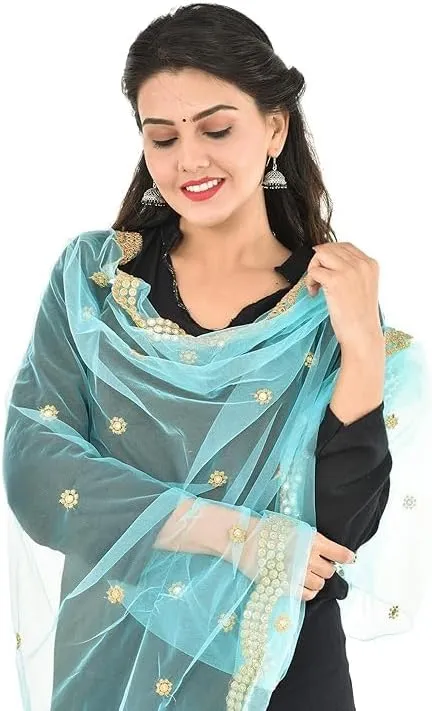
Sky Blue Dupatta
Navy Blue Hijab Fashion
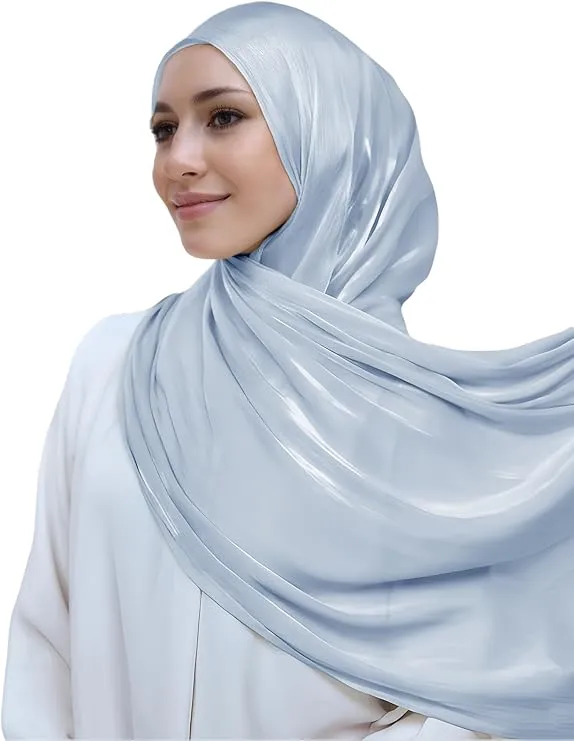
Light Blue Muslim Bridal Hijab
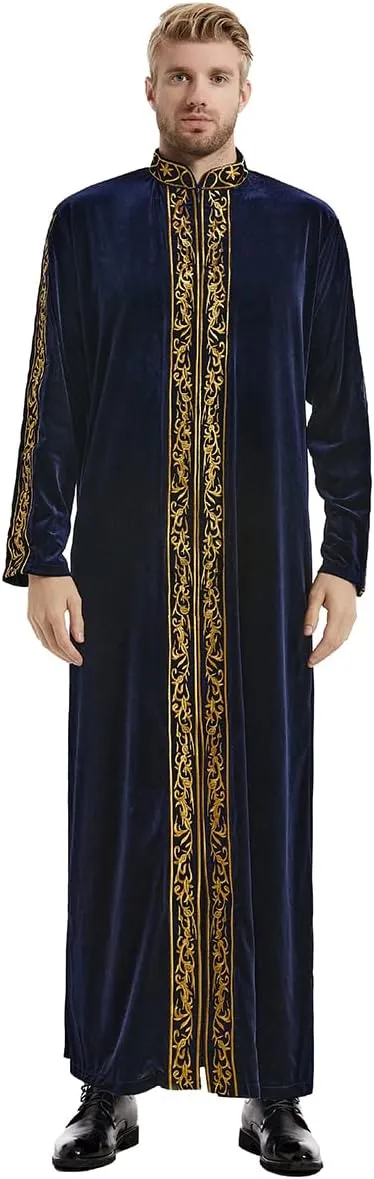
Collection: Blue Islamic Nikah Dress for Grooms
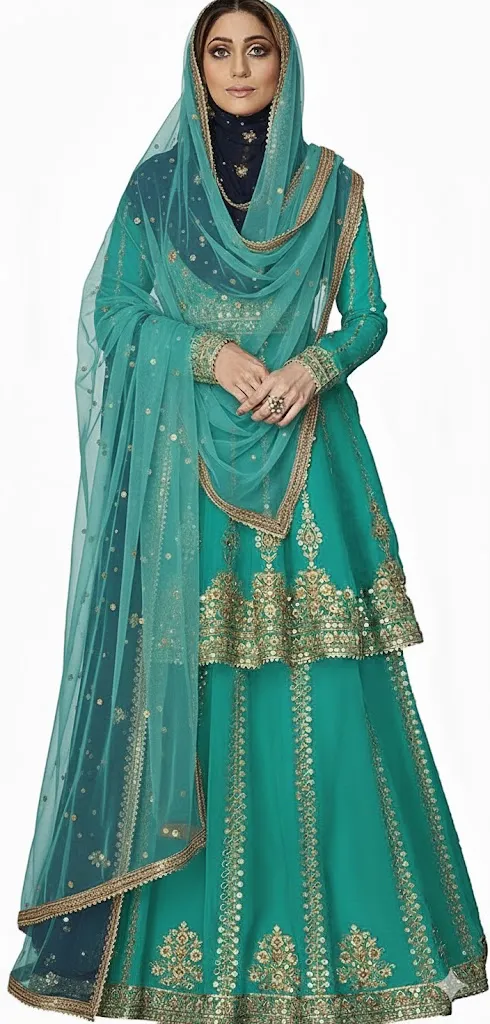
Readymade Blue Muslim Lehenga
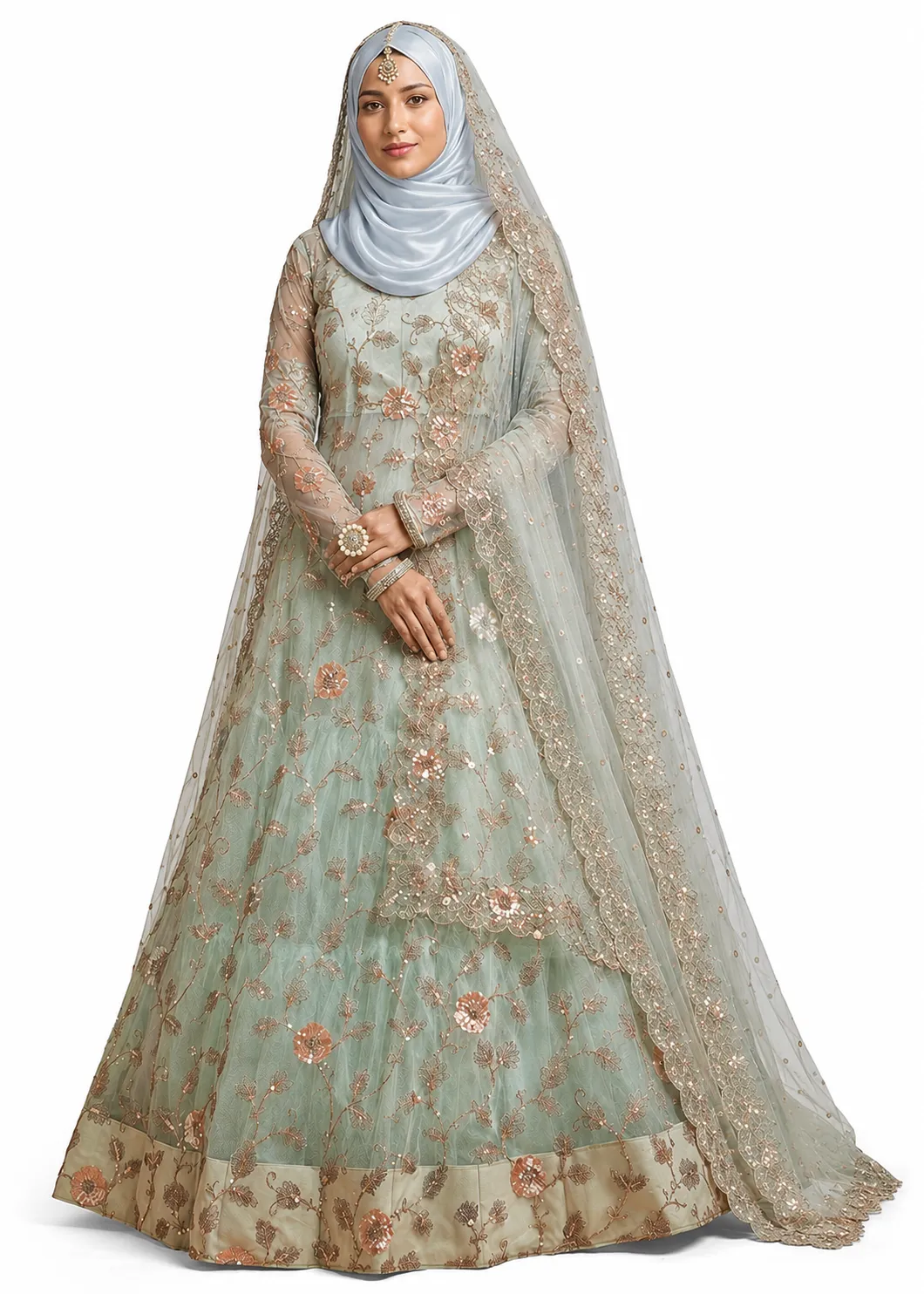
Muslim Lehenga with Hijab
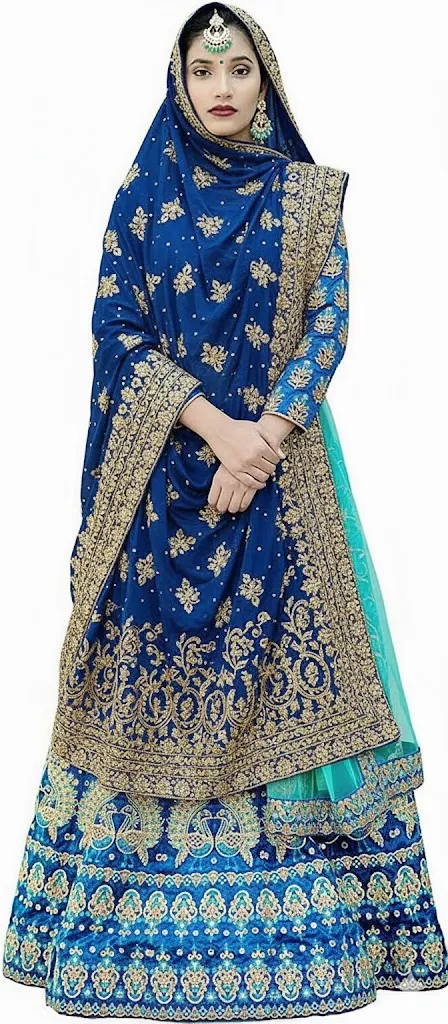
Muslim Lehenga in Blue
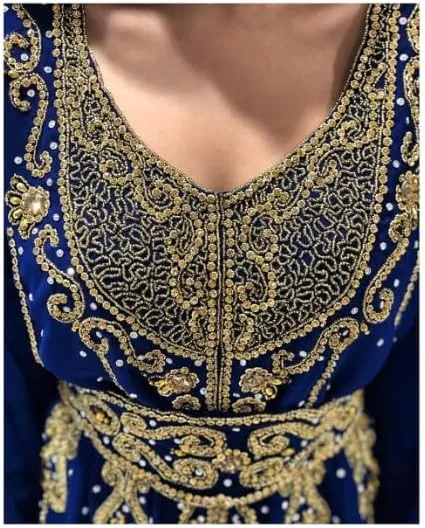
Blue Dubai Bridal Caftan
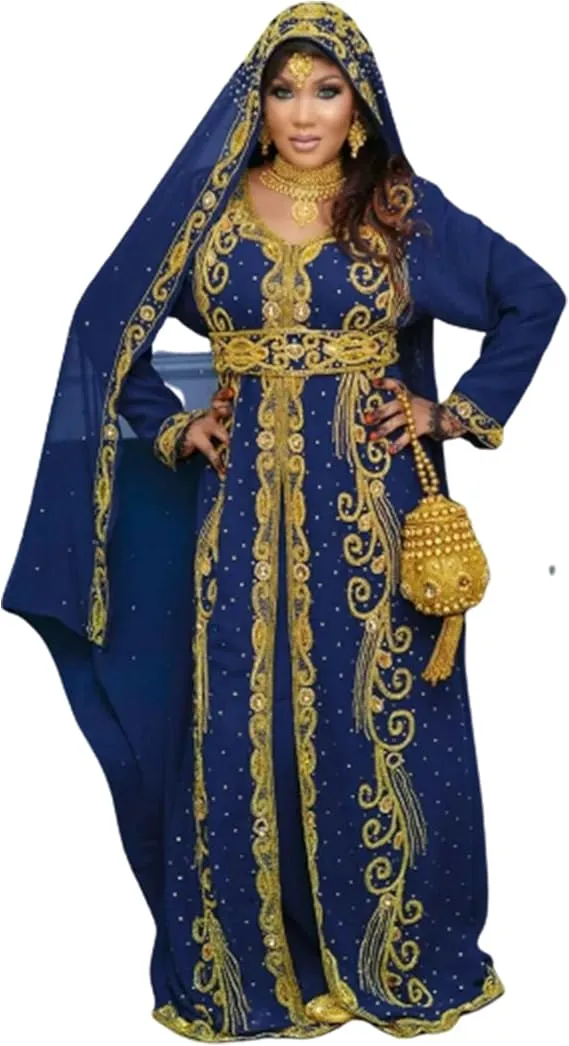
Blue Muslim Bridal Kaftan
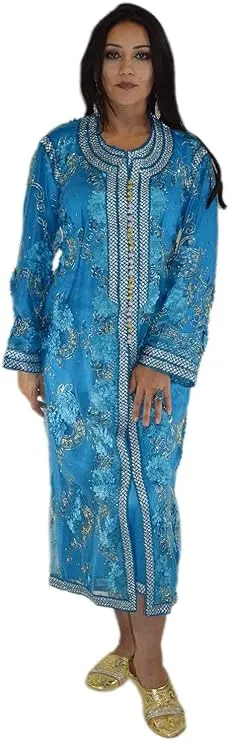
Bridal Kaftan in Blue
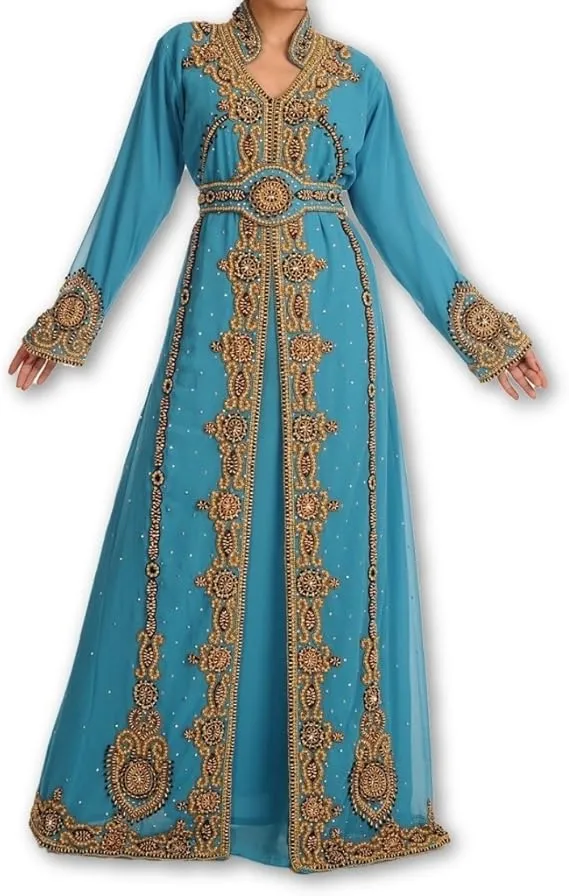
Sky Blue Moroccan Bridal Kaftan
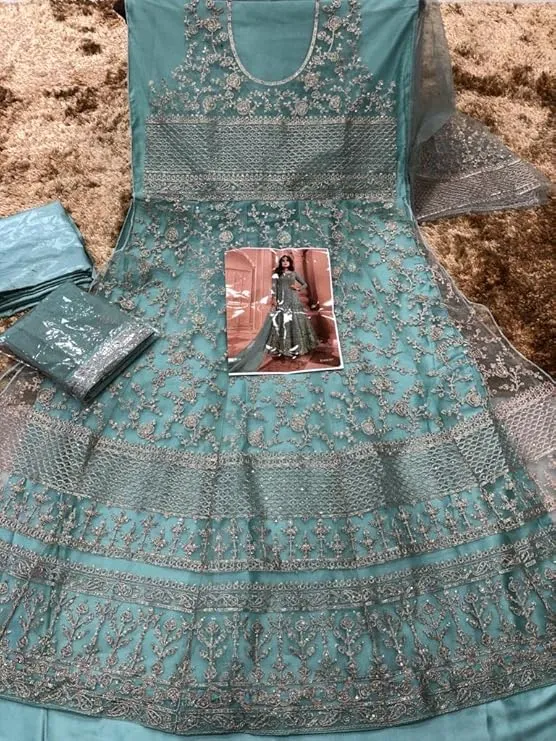
Muslim Wedding Dress Blue
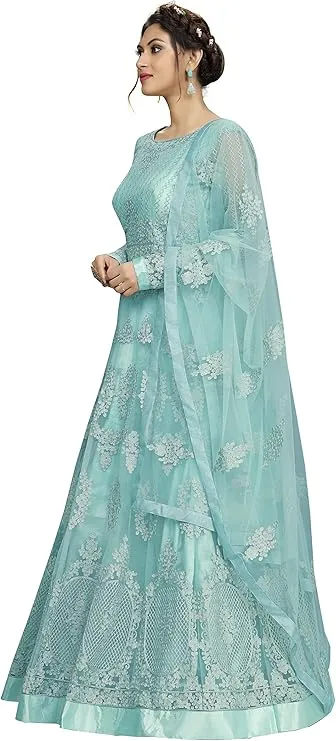
Blue Muslim Wedding Dress from Amazon
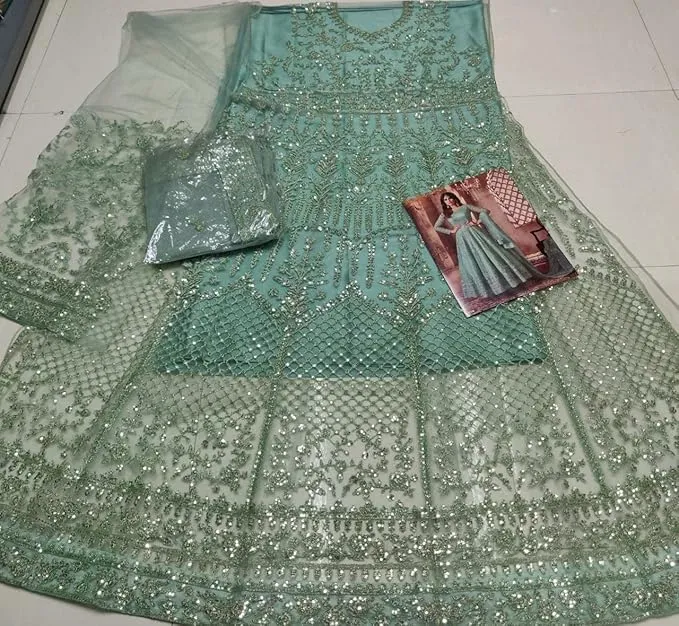
Dress for Blue Muslim Wedding
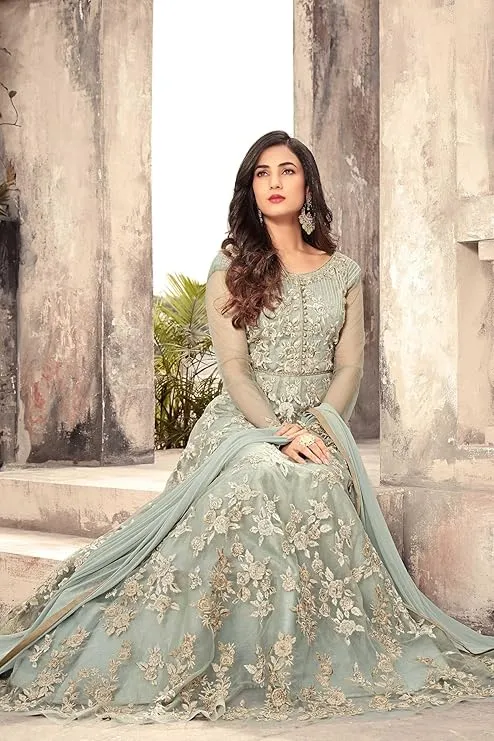
Light Blue Muslim Bridal Dress
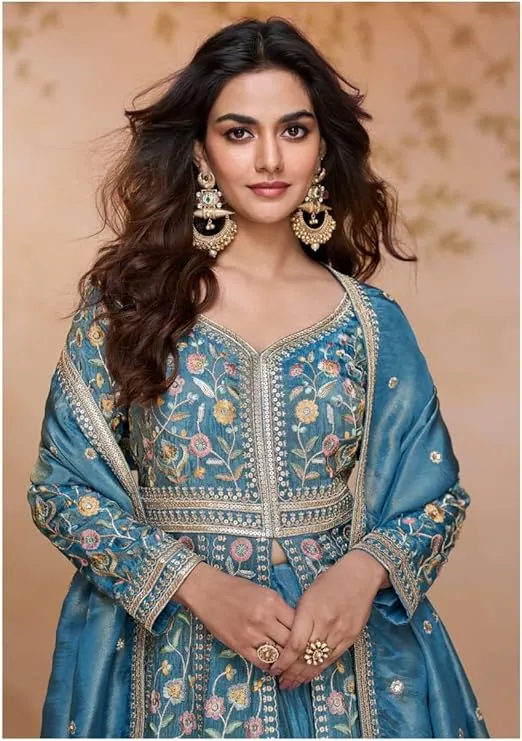
Muslim Wedding Dress Garden Blue
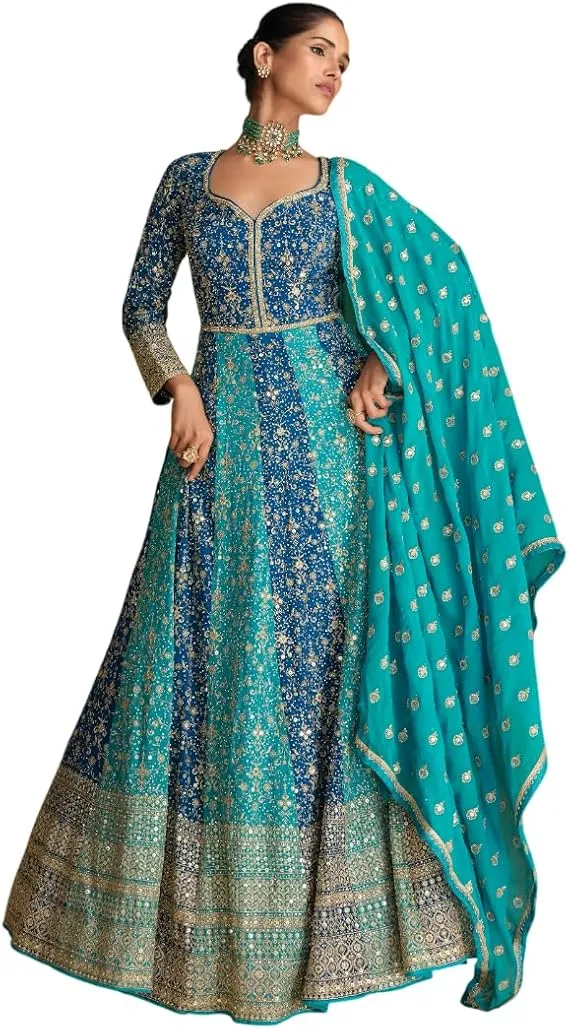
Aqua and Royal Blue Muslim Bridal Dress
Blue Dress for Muslim Wedding
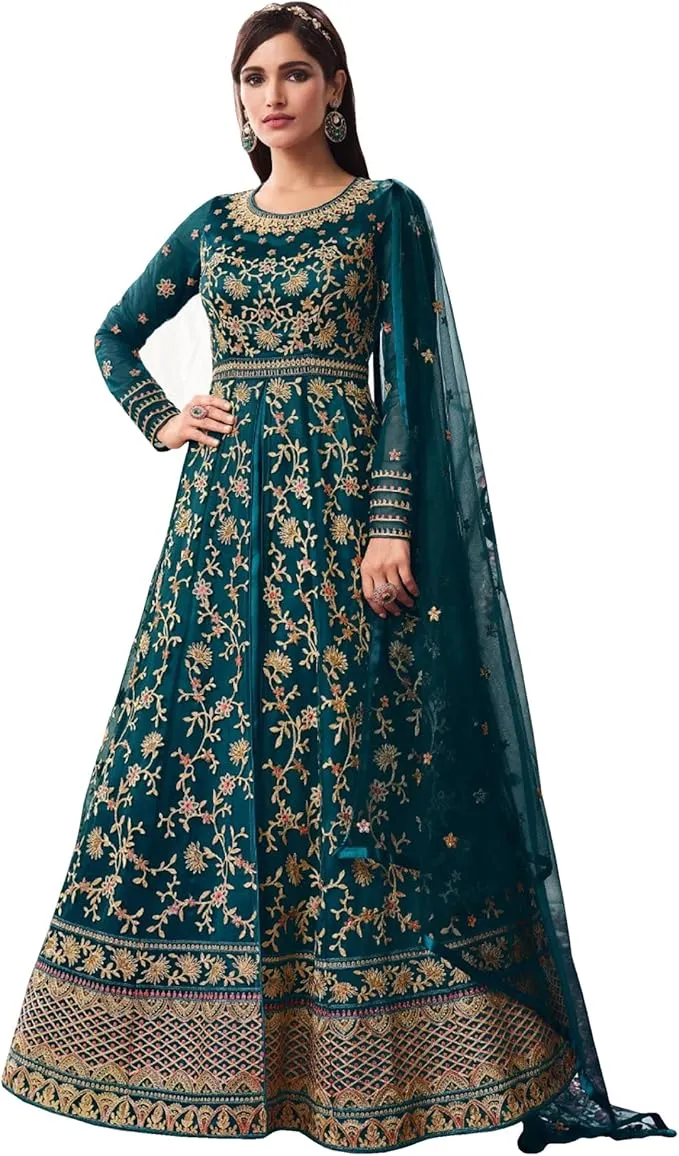
Muslim Wedding Dress Blue and Gold
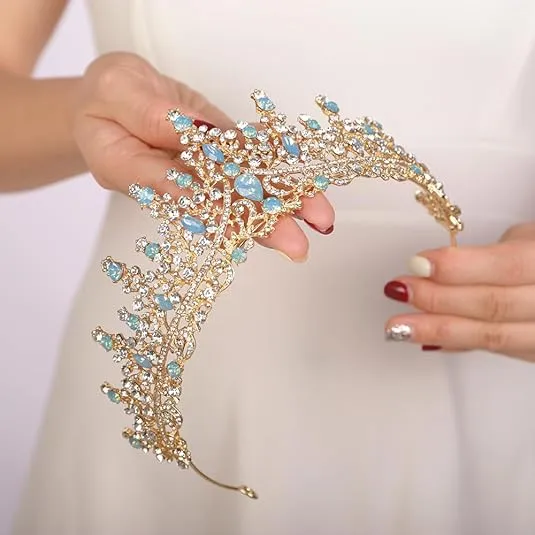
Blue Bridal Crown
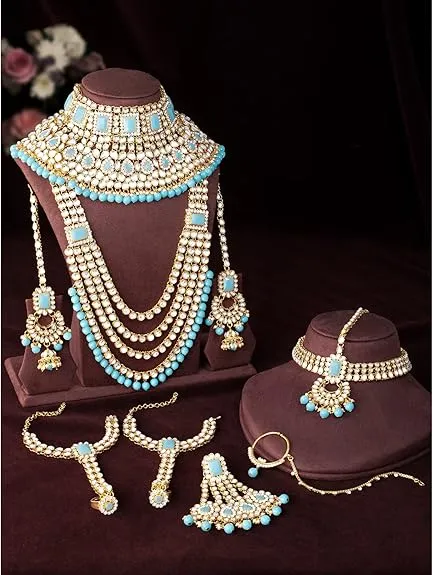
Blue Bride - Jewelry Set
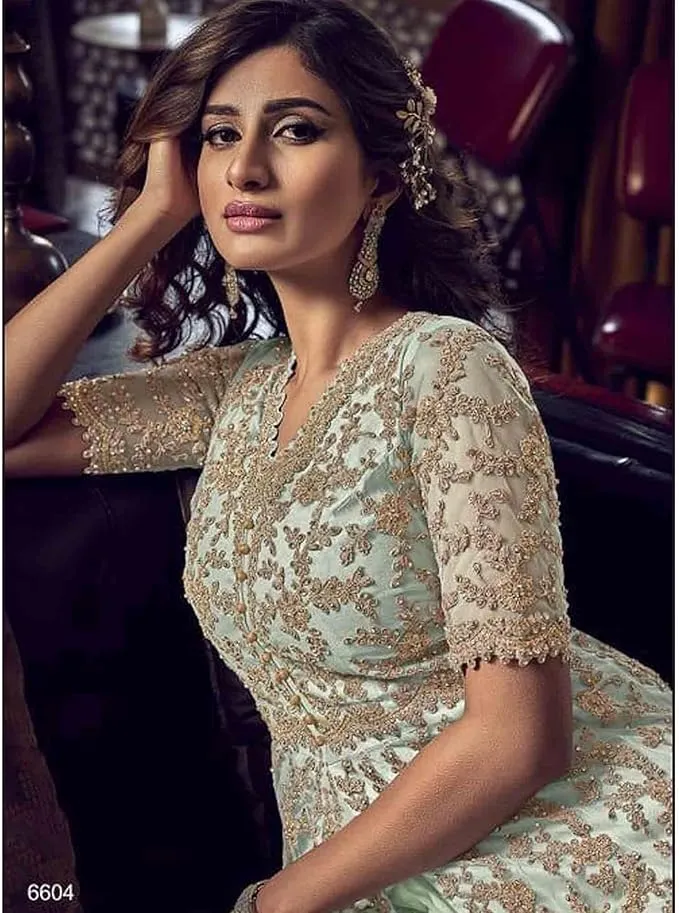
Sharara in Blue
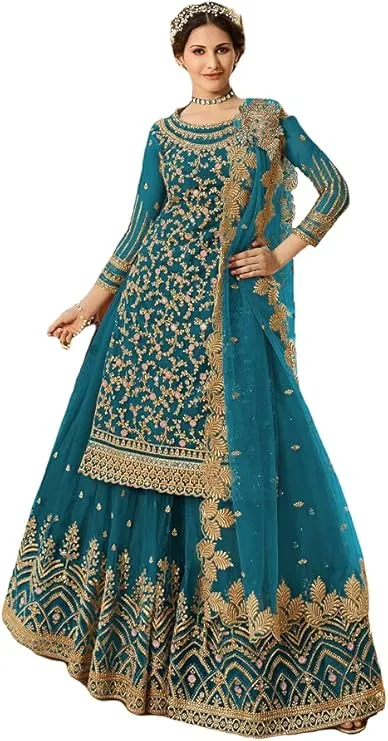
Teal Blue Sharara
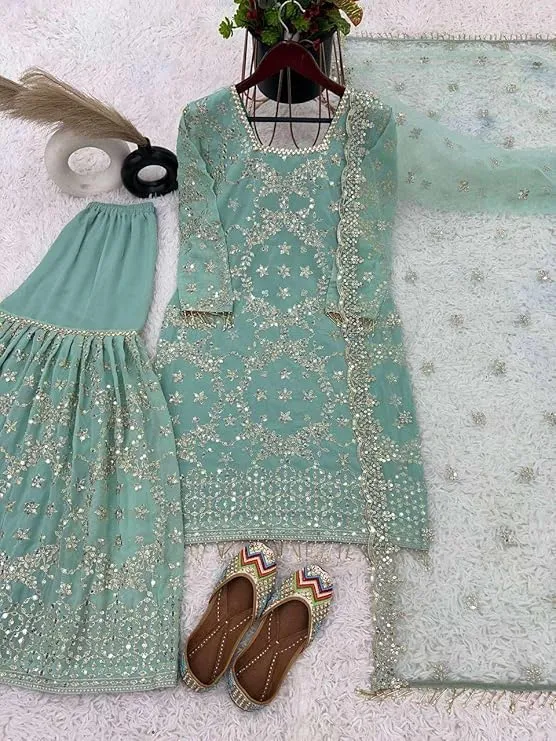
Light Blue Embroidered Gharara
Light Blue and Silver Sharara