Guests: What to Wear to a Muslim Wedding?
By Hijabi Bridal Team · ·
Some families have outdoor weddings, some rent a hall and others prefer the marriage ceremony to take place in a mosque. How will you know what to wear to a Muslim wedding as a non Muslim woman or man? The venue will tell you just about everything you need to know!
Can a Non-Muslim Attend a Muslim Wedding?
Let's first address this burning question: Can a non-Muslim attend a Muslim wedding? Absolutely! A non-Muslim guest can attend a Muslim wedding, as Muslims welcome cultural diversity and the strengthening of bonds within the wider US community by using open-hearted hospitality. Non-Muslim guests are embraced at such gatherings when they are familiar with Islamic customs and cultural etiquette. The key lies in understanding the dress code and adapting to the setting.
Dressing as a Non-Muslim Guest
For non-Muslim guests, options start with modest, loose-fitting clothing that aligns with wedding attire expectations, and here, knowing the culture of the bridal party is essential. A flowing abaya in soft pastels or neutrals works wonders, complemented by a matching hijab, if the couple is Middle Eastern, otherwise either a pant suit or shalwar kameez is perfect wedding attire for a woman. Sherwani for men adds elegance without overstepping, if the wedding is South Asian. In Muslim weddings and interfaith marriages in the US, cultural diversity can make clothing choices a major decision, but business and business-casual clothing is accepted everywhere. This is because of its prevalence in society and in formal settings and because Islamic customs emphasize coverage - business-casual isn't tight or revealing.
Navigating Cultural and Religious Etiquette
Cultural etiquette at a Muslim wedding does mix dress with religious tradition. For example, non-Muslim female guests often receive a hijab or scarf upon arrival, if the wedding is held at a mosque. However, for marriage events in a event hall, a pant suit with or without a simple hijab is respectful under Islamic customs.
What should a non-Muslim man wear to a Muslim wedding?
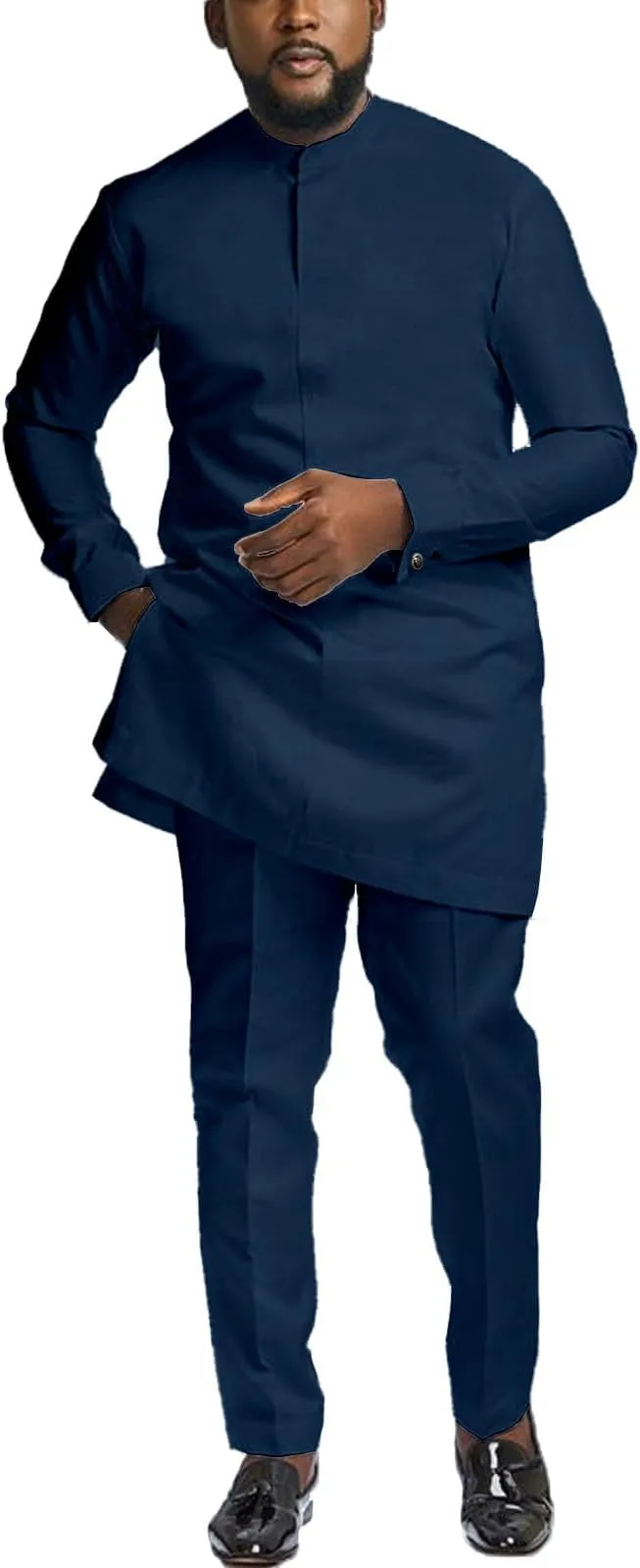
A jacket and tie, business suit or dress pants and button-down shirt are sufficient formal wear if you're wondering what to wear to a Muslim wedding as a male guest. As a non-Muslim headed to a Muslim wedding, being concerned about cultural sensitivies is normal, but don't worry. No one expects non-Muslim guest attire to be an Islamic form of modest clothing. It's important to know, however, that if you're trying to blend in, ask around about what to wear. You might actually ping the cultural sensitivity button if you attend a Muslim wedding in attire or head covering that doesn't speak to the cultural origin of the bride and groom. To stay safe, think formal wear and respectful dress - something you'd wear to any other formal occassion - or try a short kurta, like the one in the blog image.
Dress pants and a button-down shirt are totally appropriate, but if you want to look fancy in your guest attire, a tie and jacket won't be out of place. If the Muslim wedding is inside a mosque, either form of respectful dress is fine. Remember, no revealing clothes, as modest clothing is a cultural norm for males and females. Also the norm at a mosque is to remove the shoes, so be prepared.
What to Wear to a Muslim Wedding at a Mosque?
If you’re not a Muslim, you can wear pants and a long sleeved shirt, male or female, or a suit. If the wedding is held at a mosque, you can expect the family to be pretty conservative, and a hijab in this setting is appropriate for women.
What female guests should wear to a Muslim wedding at a mosque
What’s modest dress for Muslims is a bit different than it is for non-Muslims. Ladies are expected to cover all parts of themselves in a loose fashion, especially when entering the mosque. Only the hands and feet show.
So that you’re wearing something you like, the best thing is to find your own abaya with a matching scarf. Abayas are simple, traditionally Islamic garments. They are long, loose-fitting dresses that are made in different colors and styles. Look for a subtle color that has fancy additions like gold or silver beadwork. It doesn’t have to be black.
Many Muslim female guests will take the same route as yourself, so you won’t feel out of place at all. It’s convenient, too, because you can wear your regular clothing underneath and put your abaya back in its fancy bag when you’re done. If you can’t find a local shop, try an online collection like Aab. You can also easily find an abaya on Amazon.
Whether you’re Muslim or non-Muslim, choose a color that flatters your face and a design that suits you. Well done!
What male guests should wear to a Muslim wedding at a mosque
Most Muslim male guests will use their Friday clothes to attend a wedding with an added fancy topi. The family members will use very dressy, Islamic garb. So if you’re not a family member, keep it toned down. Non-Muslims can wear a pair of decently loose slacks and a tunic that falls to the hips or a button down shirt. Your slacks shouldn’t be too tight though, because you’ll be sitting on the floor. You don’t want to split your pants while getting comfortable.
What to wear to a Muslim wedding in a hall?
A hall is for fancy wear, so get ready!
What should female guests wear to a Muslim wedding in a hall?
Wear your best! If you’re Muslim, that means you can wear Eid clothes that you haven’t worn recently. They should be embroidered and flashy. Abayas in this setting are too strict, but you might see older aunties wearing them. Because men aren’t expected to enter the ladies’s side of a hijabi wedding, your hair should be styled for the occasion.
If you’re not Muslim, you’re still expected to bring some bling and to style your hair nicely. The safest option is to wear a long skirt with a long sleeved blouse that has sequins or is otherwise embellished to the hilt. Or you can try a pant suit with a bling top and matching headband and fancy shoes.
Whether you’re Muslim or non-Muslim, you’ll be expected to don your best heels for the occasion.
What should male guests wear to a Muslim wedding in a hall?
Non-Muslim men can wear the same pants and short tunic or button down shirt to a wedding in a hall. You can add a suit jacket for a dressier look, or go for a trending suit. If you choose a suit, it should be a really nice one for an event hall - not a work suit. Muslim men can also wear a trending suit, as long as you’re not a family member.
If you’re family, you’ll probably want to get a little closer, in look, to the groom. So that means wearing fancy Islamic attire and a nice topi.
What to wear to a Muslim wedding that’s outside?
An summer outdoor wedding will be the least strict in attire:
What should a female guest wear to a Muslim wedding that’s outdoors?
Even though the clothes of regular guests will be less conforming to wedding-norms, the family of the bride and groom will likely be asked to wear specific attire or colors to match the couple. So if you’re family, you can expect to receive some form of notification, or just ask. If you’re not family, and you’re a lady, you can dress in a semi-formal manner as long as your chest, arms and legs are covered. If you’re not Muslim, you won’t need any special Islamic clothing or a scarf. If you are Muslim, also wear semi-formal attire.
What should a male guest wear to a Muslim wedding outside?
If you’re family to the bride or groom, again, you’ll probably wear matching suits or similar formal clothing. You should definitely ask if you haven’t been informed what to wear. If you’re not family, whether Muslim or non-Muslim, show up in dress casual.
Whatever the case, be prepared to enjoy yourself. Gaffes in attire are overlooked when you’re cheerful and ready to participate! Have fun!
What is the Dress Code for a Muslim Wedding?
The dress code for a Muslim wedding prioritizes modest clothing, cultural sensitivity, and respectful dress code to honor Islamic customs. Guests aim for traditional dress that covers the body modestly, blending formal wear with wedding etiquette. This applies across cultural norms, including interfaith weddings in USA cultural events.
Female Guest Attire Guidelines
Muslim wedding dresses guest for women center on guest attire like long abayas or maxi dresses with sleeves, paired with a headscarf. Modest clothing means loose fits covering arms, legs, and chest—key to traditional dress. Formal wear in elegant fabrics respects the respectful dress code.
Islamic customs guide this: opt for flowing traditional dress in jewel tones or neutrals. Cultural sensitivity shines through covered shoulders and ankles. At interfaith weddings, such guest attire fosters unity amid cultural norms.
Male Guest Attire Options
For men, guest attire includes suits, thobes, or sherwanis as formal wear. Traditional dress emphasizes long sleeves and pants, aligning with modest clothing. Wedding etiquette calls for clean, respectful dress code—avoid shorts or sleeveless shirts to match religious traditions.
Cultural norms in Muslim weddings favor coordinated looks. In USA cultural events or interfaith weddings, this formal wear signals respect. Pair with a modest jacket for polished appeal.
Key Principles of Respectful Dress Code
Respectful dress code hinges on cultural sensitivity and modest clothing. Muslim wedding dresses guest avoid sheer fabrics or low necklines; choose traditional dress instead. Islamic customs and wedding etiquette prioritize coverage, especially at mosques.
Religious traditions vary by region, but core cultural norms remain: loose, opaque formal wear. Interfaith weddings blend styles, yet guest attire stays conservative. In USA cultural events, this thoughtful approach delights hosts.
Layer for versatility—scarves over dresses for women, vests for men. Traditional dress like embroidered kurtas enhances guest attire without excess.
Cultural norms in Muslim weddings favor coordinated looks. In USA cultural events or interfaith weddings, this formal wear signals respect. Pair with a modest jacket for polished appeal.
Cultural sensitivity, here, also means checking invitations for specifics on respectful dress code, as wedding etiquette evolves with cultural norms. This ensures seamless participation.
Is there a color you shouldn't wear to a Muslim wedding?
The only color you want to veer away from at a Muslim wedding is the color the bride and bridal party are wearing. There's no particular color significance or guest etiquette with regards to color besides this. If you don't have anyone to ask what color the bride is wearing, cultural norms dictate that you avoid wearing white, as it's a popular color in American Muslim customs and interfaith marriages. In the Pakistani American community and in Indian American culture, red or green might be worn by the bridal party, as those are South Asian traditions for bridal traditional dress. If you're not in the know, follow basic wedding guest dressing tips for Muslim weddings and avoid those colors. Champagne, sage, blush pink, navy, cobalt, mustard, and burgundy are all excellent choices that flatter and feel festive. If you've decided to go with Islamic attire, avoid lehengas as they are typically reserved for the bride. Otherwise, here you'll find some beautifully embroidered silk garments for guests attending a Muslim wedding.
What to Wear to a Muslim Wedding as a White Girl?
If you are a white Western guest attending a Muslim wedding, the answer is far less complicated than most people expect. Yes, the modesty consideration is real, but it's not far from what you would expect when attending a Christian event: covered shoulders and chest and covered knees. No one expects you to wear hijab as a non-Muslim.
A midi or maxi dress, a gown with sleeves, or a blazer over a sleeveless top all meet the standard of modesty easily. Islamic traditions of hospitality are genuinely welcoming, and modest attire in this context simply means not arriving in a cocktail dress with bare shoulders. A champagne maxi, a sage green midi with sleeves, or a soft pink dress with short sleeves all satisfy the wedding dress codes effortlessly while looking elegant in photographs. Respectful dressing as a non-Muslim guest is simply to cover your knees, chest, and shoulders, and bring a warm attitude to the celebration.
What do Christians wear to a Muslim wedding?
If you're wondering what to wear to a Muslim wedding as a non Muslim, or as a Christian guest, just know that every Muslim present is going to view you as a symbol of religious tolerance and cultural exchange. Wear whatever formal wear you reserve for church activities, and you'll be completely fine. If there's no wedding invitation guidance, then it isn't necessary for you to wear hijab or abaya. Interfaith etiquette requires that your own traditional clothing be respected. The modest attire that you wear to church will be exactly what everyone present will be expecting you to wear. It will be seen as respectful dress and not ping any cultural sensitivity bells.What to wear to a Muslim Indian wedding?
For a Muslim Indian wedding, you can choose cultural attire as almost all the wedding guests will do the same. While wearing a traditional outfit will certainly help you blend in, don't start searching lehenga for Muslim wedding online. At a desi wedding, lehengas are reserved for the bride, and when they are decorated, as all Indian fashion will be for a wedding, it will look bridal.
It's important to strike a balance in the realm of South Asian culture. So while you won't wear traditional bridal formal wear like a lehenga, most other forms of Indian fashion will be welcome. They should be embroidered, but not too heavily. If you're wearing a gharara or sharara that you found in an Indian clothing store, just make sure it is plain on the bottom without embroidery. Embroidered flared pants and skirts are distinctly bridal.
If you're looking around in a USA online store like Amazon, you'll find a variety of kurta, pant and dupatta sets that fit wedding guest dress code perfectly.Click here for perfectly embroidered silk garments for guests attending a Muslim Indian wedding.
Embroidered shalwar kameez or kurta sets are a perfect way to help you fit in at a desi wedding, as long as you avoid cotton, which is too everyday. In 2026, brides rarely choose shalwar kameez. They mostly wear lehengas. The pants aren't normally decorated, either, whereas the top and dupatta can look as fancy as you prefer. Enjoy your traditional outfit!
Guest Guide: Frequently Asked Questions
Q. Do non-Muslim guests have to wear a hijab?
A. Generally, no. However, if the ceremony is held inside a mosque, female guests are expected to cover their hair out of respect. It is a good idea to carry a light scarf just in case, or wear a modest abaya that comes with a matching headpiece.
Q. What is the most important rule for Muslim wedding guest attire?
A. Modesty is key. Regardless of the venue, guests should ensure that their chest, arms, and legs are covered. Avoiding transparent fabrics and very tight-fitting clothes ensures you respect the religious nature of the occasion.
Q. Can guests wear red to a Muslim wedding?
A. While guests can wear red, keep in mind that in many Asian Islamic cultures, Red is the traditional bridal color symbolizing new beginnings and happiness. To ensure the bride stands out, many guests opt for other vibrant colors or pastels instead.
What should a non-Muslim man wear to a Muslim wedding?
As a non-Muslim headed to a Muslim wedding, being concerned about cultural sensitivies is normal, but don't worry. A tie and jacket, business suit or dress pants and button-down shirt are sufficient formal attire if you're wondering what to wear to a Muslim wedding as a male guest.
Q. What to wear to a Muslim wedding as a white girl?
If you are a white Western guest, the rule is simple: avoid white, red, and green — white is increasingly the bride's color, and red and green are strongly associated with the bridal party in South Asian Muslim culture. Beyond those three colors, champagne, sage, blush pink, navy, and burgundy are all flattering and appropriate. Cover your shoulders and knees, and you are set — Islamic traditions of hospitality mean you will be warmly welcomed.