What Color Do Muslim Brides Wear for a Wedding? Red
By Hijabi Bridal Team ·
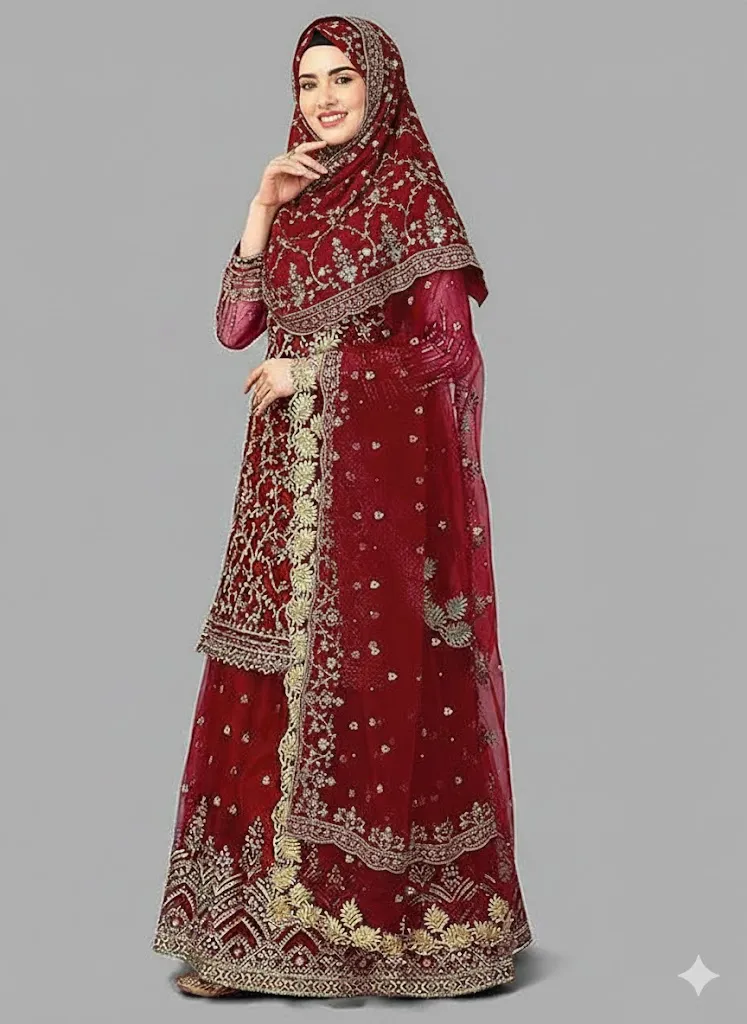
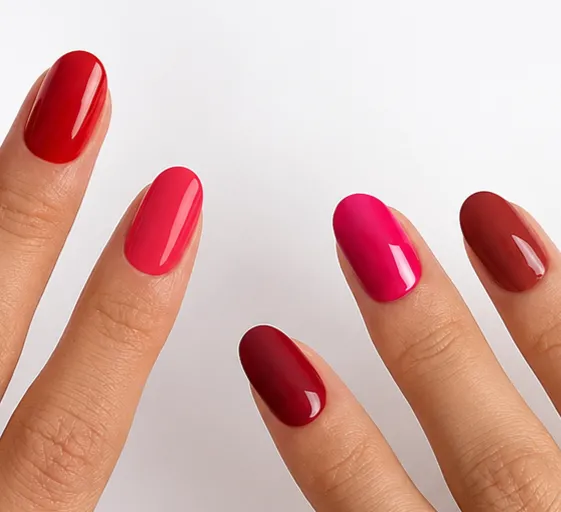
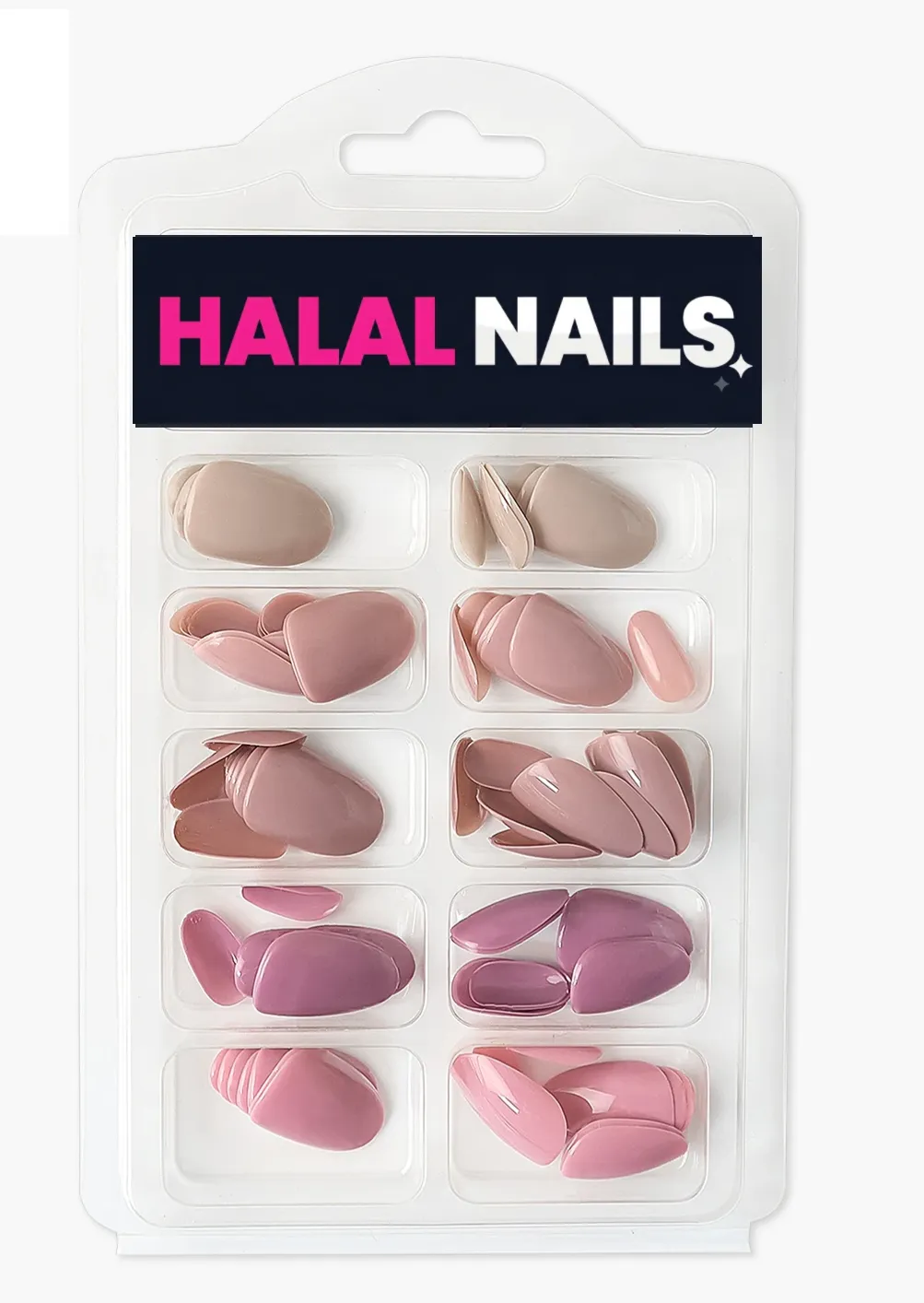
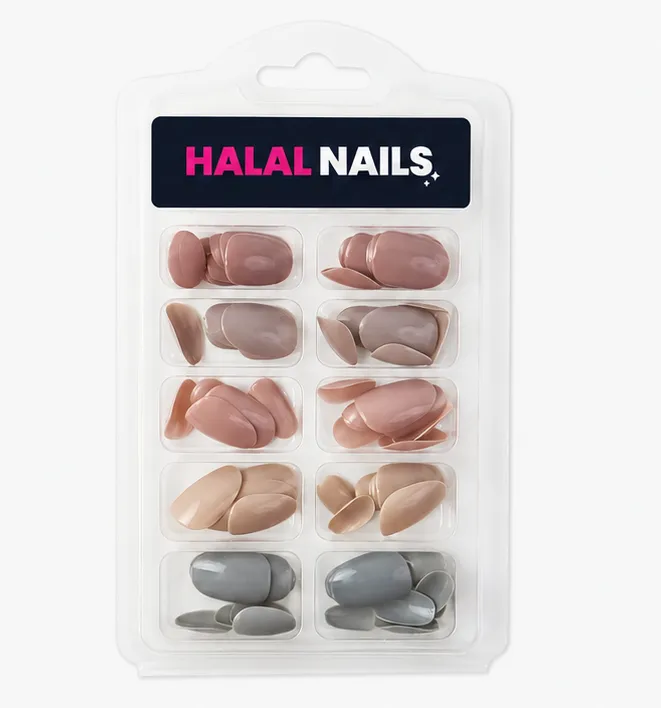
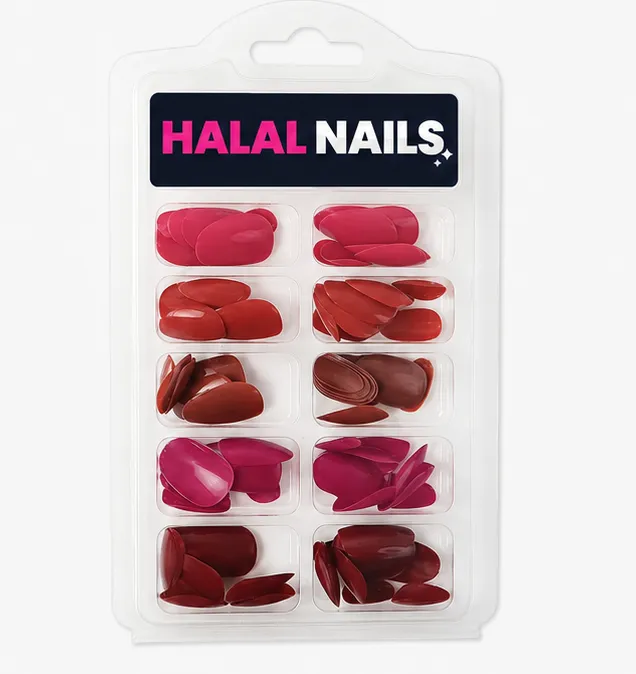
In many Muslim communities, the question of what color do Muslim brides wear for a wedding is still answered with a simple, powerful word: red. Across South Asian culture and Middle Eastern traditions, the red color dominates bridal wardrobes as a symbol of joy, prosperity, and new beginnings. Today’s Muslim brides often blend this classic red wedding attire with modern modest silhouettes - less embroidery, for instance, and halal nails - creating women's red Muslim bridal looks that honor both Islamic customs and contemporary bridal fashion trends. Whether at a grand Pakistani wedding culture event or a smaller American Muslim wedding, red remains a deeply meaningful choice for the bride’s main ceremony.
What color do Muslim brides wear for a wedding?
The women's red Muslim bridal color is the default palette in wedding day rituals for the nikah and walima reception for most Muslim brides. Due to South Asian influence and the cultural significance behind the red wedding dress, a bride in a full red lehenga or sharara is as expected as sweets at the dessert table. Traditional attire choices carry a strong cultural significance, with the symbolism of red signaling that the bride is entering a new stage of life with love, support, and community blessing. Bridal fashion trends at wedding ceremonies have only reinforced this, with the red wedding dress becoming one of the most searched and requested women's red Muslim bridal palettes in South Asian American Muslim culture.
While Muslim brides in Middle Eastern traditions have leaned toward white for some time, red wedding ceremonies are the most common bridal fashion for South Asians. However, wedding trends like white and pastel gowns are increasingly common, and many brides still choose a red outfit for the nikah or for the main family celebration and another color for the walima. In interfaith marriages, it's the opposite as brides of other faiths choose white as the primary color and red to appease the groom's family at the walima. This mix reflects the cultural exchange in the US, where brides are comfortable blending Islamic customs of wearing colors with wearing white.
The result is that the wedding have both spiritual, stylish, and traditional attire — hijab sets paired with a women's red Muslim bridal dress, a navy blue lehenga, or a white sharara - all move gracefully through the ceremony. Islamic customs do not require a specific color, which gives Muslim brides the freedom to experiment. Some brides may start the day in red and then change into a white or ivory outfit for the evening and blue or green for the walima, creating a layered bridal narrative across their wedding day. Others may keep the red color in accessories—red dupattas, red handbags, or red heels—while the main dress leans into pink or maroon. Whatever the choice, the cultural significance of red remains present, reminding guests that the bride’s journey is being celebrated with intention and joy.
Why do Muslim brides wear red?
The red color on a Muslim bride is one of the most recognizable symbols in Islamic wedding traditions. In many communities influenced by South Asian influences and Middle Eastern customs, red wedding attire is tied directly to the cultural significance of red as a sign of prosperity, love, fertility, and protection. Historically, brides in Pakistani wedding culture and Indian bridal fashion have worn red for the main Islamic marital rituals, including the nikah, because it visually marks the bride as the honored guest of the day. This choice is both aesthetic and spiritual: it draws eyes to the bride while aligning with modesty requirements through long sleeves, full coverage, and often a coordinating hijab.
Women's red Muslim bridal pieces are often crafted as rich, heavily embroidered lehengas, shararas, or maxi dresses that feel luxurious without being revealing. These wedding dress designs are meant to be shared on social media and in family photos as lasting heirlooms, capturing the energy of the room and the emotion of the moment. The red color in these outfits also carries a fashion statement: it declares that the bride is confident, rooted in her culture, and unafraid to stand out. In communities where Muslim brides are expected to be modest, this boldness is carefully balanced—loose‑fitting traditional dress, long hems, and modest necklines ensure that the focus stays on the meaning of the day, not on the body.
In American Muslim weddings, the red color continues to evolve. Some brides keep the classic red lehenga, while others experiment with deep burgundies, brick reds, or red‑and‑gold ensembles that feel modern yet traditional. This adaptability reflects the diversity in wedding customs and the way cultural exchange in the US shapes even the most traditional choices. For brides who want to honor their parents’ expectations while still feeling like themselves, red wedding attire offers a perfect bridge between Islamic customs, regional tradition, and personal style.
Does the bride wear red at a Pakistani wedding?
For many Pakistani brides, choosing women's red Muslim bridal attire is not just about following a rule; it is a deliberate fashion statement loaded with cultural significance. When a woman appears in a red wedding dress at a Muslim wedding, especially the bride, viewers often read it as a sign of celebration, confidence, and social importance. The red color becomes a kind of visual spotlight for this ethnic celebration, guiding the eye toward the person who is at the center of the day’s marriage ceremonies. In many cultural traditions, this is exactly the role the bride is expected to play: she is the honored figure around which the family, rituals, and stories revolve. Red isn't just a fashion trend for Muslim weddings. For the Pakistani bride, it's a choice for wedding attire that's laden with South Asian heritage
Because the red wedding dress, or other women's red Muslim bridal wear, has been used so often throughout history in predominantly Muslim countries, cultural tradition has almost become Islamic custom. Red is so often seen in Muslim weddings in South Asian heritage, as this is the region that has held most firmly to the custom. When red is used in marriage ceremonies for Muslims, it's historic prevalences makes it almost a religious practice.
Red is often layered with gold or silver embroidery and jewelry to create a sense of richness and occasion. In modern women's red Muslim bridal attire, the embroidery may be monocolor and much less heavy. These details turn red wedding attire into a full cultural expression, not just a fashion statement. For brides and guests alike, the red color can signal blessing, joy, and even protection—ideas that resonate across many marriage ceremonies and Islamic customs. In the context of bridal fashion trends that increasingly favor personalization, the red color remains a powerful way for Muslim brides and their families to communicate pride, heritage, and belonging in a single, striking visual gesture.
Can a Muslim bride wear red?
A Muslim bride can wear red with complete confidence, choosing South Asian bridal wear or other traditional Islamic attire in red. Red Muslim bridal wear carries wedding color symbolism as it has been a cultural wedding custom in Muslim-majority lands throughout history. South Asia has, in particular, made red a bridal fashion trend throughout the region and in the diaspora, but Middle Eastern wedding customs used red in the past also. Islam doesn't a stipulate a color to wear, so the red wedding dress is merely seen as a Islamically cultural wedding custom, not a regulation. It's more important to follow Islamic modesty guidelines than to wear red.
Because of South Asian influence, American Muslim wedding traditions also prefer red as traditional Islamic attire. Second in line in the American Muslim bridal fashion trends race is white, and many wedding dress designers for Muslim brides have adjusted other wedding dress looks to more closely follow Islamic modesty guidelines. However, traditional Islamic attire is preferable for Muslim brides as opposed to the form-fitted, transparent modern Muslim wedding gowns. Our collection, curated from Amazon.com, offers the best pricing for red Muslim bridal wear without compromising modesty.
Islamic wedding traditions embrace red wedding dresses as a celebration cornerstone, with its wedding color symbolism of joy, prosperity, and marital blessing across diverse Muslim communities from South Asia lehengas to Middle Eastern caftans. The vibrant crimson palette enhances traditional gold jhumkas and maang tikka, creating heirloom-worthy photographs capturing bridal radiance. Indian Muslim weddings favor deep maroon red wedding dresses with antique zardozi work.
Frequently Asked Questions
What color do Muslim brides wear for a wedding?
Many Muslim brides wear the red color for their main ceremony, especially in South Asian culture and Middle Eastern traditions. However, increasingly, brides in American Muslim weddings choose white or ivory as well, reflecting the diversity in wedding customs. Islamic customs do not require a specific color, so the choice often depends on regional background and personal taste.
Is it okay for a Muslim bride to wear red?
Yes, it is very common and widely accepted for Muslim brides to wear red. In many Islamic wedding traditions, red wedding attire carries strong cultural significance and aligns with long‑standing Muslim bridal traditions. As long as the outfit is modest and respectful of Islamic customs, a red look is both appropriate and celebrated.
What is the best silhouette for a red Muslim bridal dress?
Popular silhouettes for women red muslim bridal looks include the lehenga, sharara, maxi women's red Muslim bridal gown, and long caftan. These shapes honor traditional dress while providing the coverage and modesty expected in Islamic customs. Many brides choose red lehengas or maxi dresses that pair well with a hijab for a cohesive, elegant look.
Do brides wear red to a henna night?
Often, brides will wear an outfit in a bright or festive color for the henna night, and red is a popular option. However, many brides also choose green, orange, or other vibrant colors to keep the night lively and varied. The choice depends on the family’s preferences and the overall wedding theme.
Why do Muslim brides wear red?
Muslim brides wear red because the red color carries deep cultural significance in many Islamic wedding traditions, symbolizing joy, prosperity, and new beginnings. In communities shaped by South Asian influences and Middle Eastern customs, red wedding attire helps mark the bride as the honored figure of the day while still aligning with Islamic customs and modesty expectations.
Does the bride wear red at a Pakistani wedding?
For many Pakistani brides, choosing women's red Muslim bridal attire is not just about following a rule; it is a deliberate fashion statement loaded with cultural significance. When a woman appears in a red wedding dress at a Muslim wedding, especially the bride, viewers often read it as a sign of celebration, confidence, and social importance.
Can a Muslim bride wear red?
A Muslim bride can wear red with complete confidence, choosing South Asian bridal wear or other traditional Islamic attire in red. Red Muslim bridal wear carries wedding color symbolism as it has been a cultural wedding custom in Muslim-majority lands throughout history.