Best Modern Muslim Wedding Dresses for 2026 US Muslim Brides
By Hijabi Bridal Team · ·
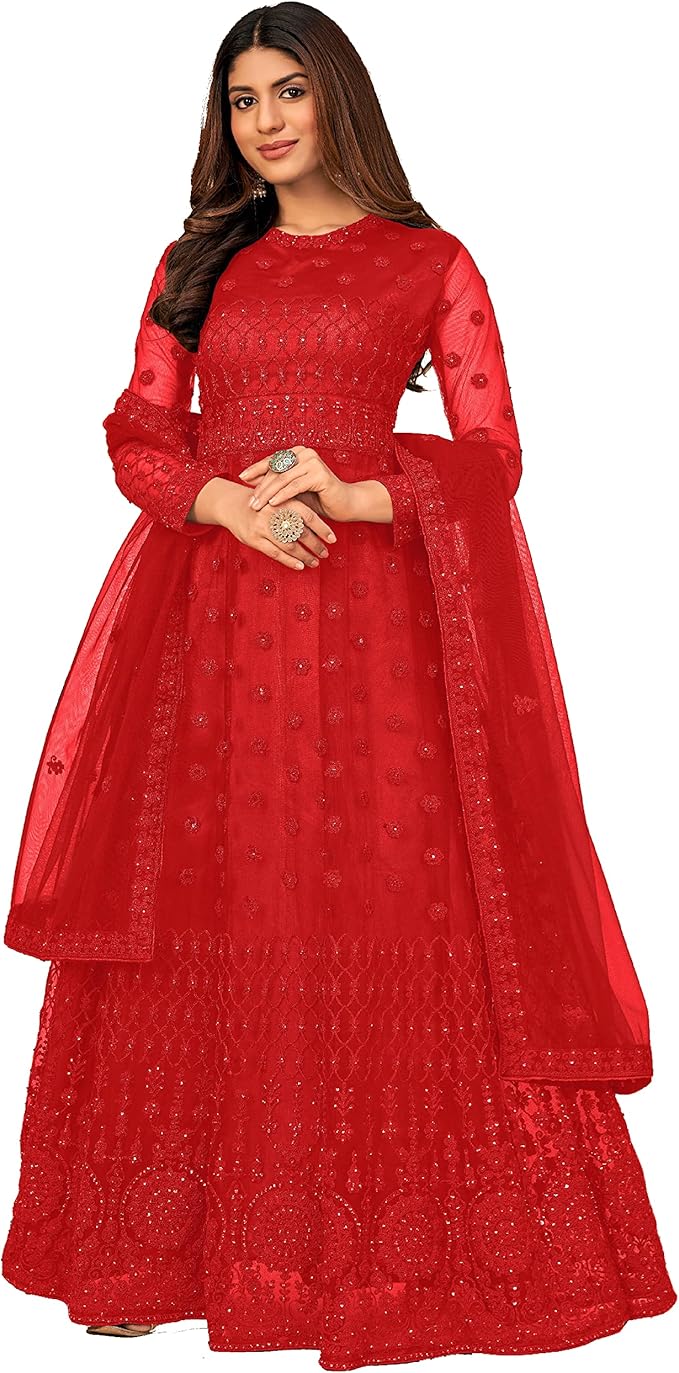
The best modern Muslim wedding dresses for 2026 - specifically for US Muslim brides - is modest dressing that's uniquely minimalist. Embroidered lehengas are still trending, but jewel tones like red and maroon have given way to soft champagne and blush. While red will always be THE bridal color, it's trending more as a lace overlay gown or one that's just not defined by very the extreme embroidery of years gone by. Modern Muslim brides want their individual style to be recognized, not swamped by South Asian tradition. American styling of Muslim clothing has left the door open to multiculturalism and mixing of classic looks. It's also less expensive. Hijabi Bridal's curated collection of Muslim wedding dresses and accessories are sourced from Amazon.com. Your entire bridal outift can be delivered to your door using the Hijabi Bridal Amazon shopping experience.
Is There a Color You Shouldn't Wear to a Muslim Wedding?
When discussing modern Muslim wedding dresses, we need to talk about color first as it relates to cultural sensitivity - stay away from black, charcoal and other deep colors besides maroon, navy and forest green. Even if your wedding attire follows your own fashion and trends, there's still a wedding etiquette for the bride and a guest dress code as well. Colors like black, charcoal and grey don't match with Muslim wedding attire. The occassion is supposed to be magical, but not gothic. In Islamic traditions, the bride gets married in colors that are joyous. While navy, just made it to the list of Muslim fashion trends in the last two years, black, charcoal and grey still hit wedding etiquette the wrong way. So to make sure your modern Muslim wedding dress considers cultural sensitivity, stick with reds, greens, blues and pastel colors. In years to come, when you look back on your fashion trends in wedding photography, you don't your hijab fashion or you guest's abaya styles to be too far away from American Muslim culture and Islamic traditions - even, and especially, if it's an interfaith wedding. Because others tend to prefer bridal white in the USA, moving to a gothic color won't leave a lasting positive impression, while other colors can be explained easily as cultural choices. It's your wedding, just remember respectful dressing and put out a guest dress code before the event, if necessary. Most people want to fit into a wedding scene, and wedding guest guidelines are always appreciated for this effort.
Best Modern Muslim Wedding Dresses for 2026 in USA
Modern Muslim wedding trends in 2026 reflect a US Muslim bridal market that is more confident, creative, and visible than ever before. US Muslim fashion influencers across Instagram and TikTok have played a significant role in pushing modern wedding fashion into the conversation, showcasing design styles that are fully covered and absolutely stunning. The result is a bridal market where modern Muslim wedding dresses are a growing presence.
Full Length Lace Gown
Ball gown wedding dress types are fading out for US Muslim brides in favor of full length dresses with a embroidered lace overlay for their Islamic wedding. These have a matching dupatta which can be used as a wedding veil or doubled up with a contrasting dupatta for a more traditional look. There is nothing form-fitting about these modern Muslim wedding dresses— and the overlay fabric lends itself beautifully to embroidery, beading and lace.
In 2026, full length design styles for modern Muslim wedding dresses are moving away from the heavily structured crinolined look of previous years toward softer, more fluid full skirts in chiffon and tulle fabric and textures. This softer approach to the classic ball gown silhouette suits Islamic wedding aesthetics particularly well, creating a look that reads as regal and bridal without the stiffness of traditional Western ball gown construction.
Colors and patterns in ball gown styles span the full range in 2026. White and ivory colors and patterns remain standard for Western-influenced US Muslim brides, while champagne, blue, blush, and soft gold colors and patterns are the fastest-growing choices among South Asian and Middle Eastern-American brides who want something between the traditional red and the Western white. Floral embroidery patterns in monocolor or metallic thread are a key design detail across all color choices in this wedding dress type.
Accessories for ball gown design styles typically involve more layering than fitted styles. A voluminous dupatta (long scarf) styled as a hijab complements the fullness of the skirt, while statement jewelry — chandelier earrings, a layered necklace set — adds bridal weight to the upper body. Nikkah jewelry in gold or silver coordinates with the embroidery colors of the gown for a fully cohesive look.
Sheath and Caftan Styles
Sheath wedding dress types — clean, column-cut gowns with minimal embellishment — represent the most contemporary end of modern Muslim wedding dresses in 2026. These can be dresses or straight skirts and hip length tops. These design styles appeal particularly to American-born US Muslim brides and converts whose aesthetic leans toward minimalism rather than South Asian or Middle Eastern maximalism.
The key to a successful sheath design style in Islamic wedding fashion is fabric and textures. Because the silhouette is simple, the fabric carries the entire visual weight of the look. Silk crepe, heavy georgette, and structured satin fabric and textures all deliver the clean, luxurious effect that makes a sheath gown feel genuinely bridal rather than simply formal. Lace fabric and textures used as a full overlay or as sleeve detail add just enough visual complexity to keep the look from feeling too plain for a wedding occasion.
Colors and patterns in sheath design styles for 2026 lean heavily toward white, ivory, and soft champagne. These colors and patterns suit the minimalist aesthetic of the silhouette and align with modern Muslim wedding trends toward understated elegance. A single design detail — a jeweled neckline, a vertically embroidered front, or a dramatic lace sleeve — is typically sufficient to elevate a sheath gown or caftan into full bridal territory.
Accessories are especially important for sheath design styles because the simplicity of the gown creates space for them to stand out. A sculptured silk hijab wrap, a delicate headpiece worn at the hairline, and a pair of statement earrings can transform a minimalist sheath into a fully realized bridal look. Bridal hijab styles in embellished chiffon or pearl-detailed silk are particularly well suited to sheath wedding dress types.
Lehenga and Sharara Styles
No guide to modern Muslim wedding dresses for US Muslim brides would be complete without the lehenga and sharara — the two most beloved wedding dress types in South Asian Islamic wedding tradition, and both fully represented in Hijabi Bridal's curated collections.
Modern lehenga design styles in 2026 update the traditional silhouette with contemporary colors and patterns: dusty rose, sage green, and soft lilac are emerging alongside the classic red and gold. Fabric and textures in modern lehenga designs include lace and organza overlays with lightweight embroidery without the weight of older construction methods. Embroidery on modern lehenga styles tends toward cleaner, more geometric patterns compared to the dense all-over coverage of traditional designs — a shift that appeals to younger US Muslim brides who want cultural resonance with a contemporary edit.
Sharara design styles — wide, flared trousers paired with a long embroidered tunic — are one of the strongest wedding fashion statements of 2026. Their naturally modest construction makes them ideal Islamic wedding attire without requiring any modification, and their dramatic silhouette reads as genuinely fashion-forward in a way that resonates with US Muslim fashion influencers and their audiences. Trending in this category is shiny fabric that's slightly holographic and gives a more detailed cut with silver embroidery. Browse Hijabi Bridal's sharara collection for 2026 styles in silk, velvet, and chiffon.
Fabric and Textures: What Defines Modern Muslim Wedding Fashion
Fabric and textures are the foundation of modern Muslim wedding dresses — they determine drape, modesty compliance, comfort, and photographic quality. Understanding the key fabric and textures options helps US Muslim brides shop with confidence across all price points.
Silk remains the gold standard for Islamic wedding bridal fabric. Its natural sheen creates a luminous base for embroidery and lace, and its drape is unmatched. Silk fabric and textures are found in the mid-to-premium price range and represent the most investment-worthy choice for US Muslim brides who want a piece that will last.
Chiffon is the most versatile fabric and textures option in modern Muslim wedding dresses — light enough for layering, fluid enough for dramatic sleeves and skirt panels, and affordable enough to be the dominant fabric in accessible price-range designs. Chiffon works across all wedding dress types and all seasons.
Lace has become one of the defining fabric and textures of 2026 Islamic wedding fashion. Long lace sleeves on modest gowns, lace overlay skirts on ball gowns, and lace hijab accessories have all gained significant traction in modern Muslim wedding trends this year. French and Chantilly lace deliver the most refined results.
Embroidered and beaded fabric and textures represent the intersection of craft tradition and bridal luxury. Hand-embroidered pieces in zardozi (metallic threadwork) or resham (silk thread) are the most labor-intensive and most expensive options, while machine embroidery and beading at accessible price points deliver similar visual impact for brides working with tighter budgets.
Accessories: Completing the Modern Muslim Bridal Look
Accessories are where a modern Muslim wedding dress becomes a complete bridal look. The right accessories — hijab, jewelry, shoes, and dupatta — tie together the design, color, and fabric choices of the gown into a unified statement.
Hijab accessories are the most distinctive element of Muslim wedding fashion. A bridal hijab in silk, embellished chiffon, or shimmery fabric should coordinate with the gown in both color and embellishment level. Structured wrap styles suit fitted and sheath wedding dress types; voluminous layered styles suit ball gown and lehenga types. Browse Hijabi Bridal's bridal hijab collection for styles that coordinate across all 2026 dress designs.
Jewelry accessories for Islamic wedding occasions range from minimalist fine jewelry for sheath and modern design styles to full statement sets — necklace, earrings, bangles, and maang tikka (headpiece) — for lehenga and sharara styles. The accessories should reflect the formality and cultural context of the occasion. Hijabi Bridal's nikkah jewelry collection includes gold-tone sets, faux bridal sets, and delicate fine-style accessories across all budget levels.
Dupatta accessories — the long embroidered scarf that accompanies lehenga and sharara designs — serve both a modesty and a styling function. A second dupatta in a contrasting or matching color adds visual richness and is a popular bridal styling choice among South Asian US Muslim brides. Hijabi Bridal's bridal dupatta collection offers options in every color to coordinate with 2026's full palette of wedding dress colors.
Shoe accessories for modern Muslim wedding dresses span heels, platforms, and flats depending on the wedding dress type and the bride's comfort preference. Traditional embroidered flat shoes (juttis) remain a beloved accessories choice for lehenga and sharara styles. Hijabi Bridal's jutti collection carries embroidered flat shoes in gold, silver, and jewel-tone colors to coordinate with 2026 bridal looks.
Belt accessories are a 2026 wedding fashion trend worth noting. A slim embroidered or jeweled belt worn at the waist over an abaya-style caftan or full length dress adds definition to the silhouette while staying fully within modest styling. Browse Hijabi Bridal's bridal belt collection for accessories that work across multiple dress styles.
Best Bridal Hijab Ideas for 2026?
Whether you are working with a hijab stylist on a fully customized result or shopping curated options online, 2026 has more ideas available to American Muslim brides than any previous year - lace hijabs, beaded hijabs, plus size hijabs, even customizable hijabs. The best bridal hijab ideas for 2026 reflect where Islamic wedding fashion has arrived after years of quiet, steady innovation: away from generic fabric squares and toward intentional, styled, occasion-specific pieces that treat the bridal hijab as the design anchor of the entire look.
A lace hijab in ivory or white creates a visual bridge between the Western wedding veil and the modest headscarf, producing one of the most photographically striking wedding veil alternatives available. It works beautifully with both South Asian silhouettes and the structured Western-influenced Muslim wedding dresses increasingly common at American Muslim weddings. A lace hijab can also be layered under a dupatta — the lace visible at the face and the dupatta falling to the back as a wedding headscarf in the traditional South Asian style. For brides using wedding dress up and bridal makeup planning tools to visualize their complete look, this layered approach consistently photographs as one of the most editorial of the 2026 bridal hijab ideas.
A beaded hijab with pearl or crystal detailing at the edge creates a halo effect around the face that reads as a crown — no tiara required. This style is particularly strong in Middle Eastern bridal styles, where a beaded wedding headscarf has become a signature element of formal nikah attire. Paired with a heavily embroidered caftan or a bridal abaya, a beaded hijab delivers a complete look that is entirely modest and entirely spectacular. Wedding dress up and bridal makeup visualization confirms that this consistently produces the most dramatic face-framing effect of any 2026 bridal headcovering style.
A customizable hijab is one that is styled by a professional hijab stylist as part of a full bridal preparation session — the drape, the makeup, the pinning points, the layering, and the accessory placement all designed specifically for the bride's face shape, outfit, and event. This is distinct from a made-to-order fabric piece; a customizable hijab is about the styling service rather than the fabric itself. Hijab styling tips from professional stylists consistently emphasize that the same fabric can produce completely different results depending on technique, which is why this kind of session is increasingly standard in bridal preparation for Muslim wedding traditions that prioritize a flawless and intention-driven final look.
A plus size hijab addresses a practical and important consideration: a standard length and width does not provide full chest coverage on a larger woman, which creates both a modesty concern and a comfort issue across a full wedding day. A plus size hijab is cut larger specifically so the wrap covers the chest fully without pulling or shifting — one of the most useful hijab styling tips for fuller-figured brides, and a detail that makes a significant difference in both comfort and the clean silhouette that Islamic wedding fashion expects. Finally, the vintage hijab — a silk or satin crepe piece in cream, off-white, or blush — rounds out the 2026 landscape as one of the most elegant wedding veil alternatives for brides who want something between traditional and contemporary: soft, nostalgic, and completely modern is how it reads./p>
What Do Muslims Usually Wear to Get Married?
Muslims usually wear a modest, fully covering outfit for their wedding — but beyond that single requirement, the answer branches in as many directions as there are Muslim cultures in the world. In 2026, modern Muslim wedding dresses have become the most visible expression of how American Muslim wedding traditions have evolved: brides are no longer choosing between cultural authenticity and contemporary aesthetics, they are finding looks that deliver both simultaneously. A bridal look in the US today might be a heavily embroidered red lehenga, a structured ivory hijab wedding dress in an anarkali silhouette, an abaya wedding gown in champagne crepe, or a flowing sharara in sage green — and all of these are correct answers to the same question.
For the bride, the nikah dress is the most important garment of the day — worn during the Islamic marriage contract itself, the moment that makes the couple legally and spiritually married. Modern Muslim wedding dresses for this occasion tend toward full-length silhouettes with long sleeves, high necklines, and rich embellishment. A hijab wedding dress — where the hijab is styled as an integral part of the bridal look rather than an accessory added afterward — is the approach that most resonates in Islamic bridal attire editorial coverage in 2026. The dupatta pinned over the hijab to create a wedding veil effect, the pearl-trimmed headscarf worn with a beaded bridal gown, the lace hijab wedding dress layered under a silk dupatta — these are the looks that define the modern nikah dress moment in the US market. An abaya wedding gown is the alternative for brides who want the ceremony's gravitas expressed through fabric and silhouette rather than surface embellishment: a flowing Islamic bridal attire piece that requires no modification for modesty and photographs with extraordinary elegance.
For the walima reception hosted by the groom's family, the walima outfit is typically a second look — lighter in embellishment, more relaxed in silhouette, and often in a different color. An abaya wedding gown in a luxurious fabric — silk, velvet, chiffon overlay, embroidered organza — is one of the most consistently elegant walima outfit choices, because its modest construction requires no modification and its silhouette moves beautifully through a reception setting. Islamic wedding customs in the US treat the walima outfit as formally required but stylistically freer than the nikah look, and modern bridal looks for this occasion reflect that hierarchy: still polished and intentional, but lighter in ceremonial weight.
For the groom, a sherwani suit is the most widely worn choice across South Asian Muslim communities in the US — a structured long coat over a kurta and shalwar, elevated with a turban and embroidered shoes. A sherwani suit in ivory, champagne, or deep navy coordinates naturally with a wide range of bridal palettes, and Muslim wedding planners in the USA consistently recommend deliberate groom-bride color coordination as one of the most impactful wedding planning decisions a couple can make. Modest wedding fashion for grooms has grown more intentional in 2026 — cultural exchange in Muslim weddings between South Asian, Arab, and Western aesthetics is producing sherwani suit looks that blend elements from multiple traditions into a single bridal couple statement. For interfaith marriage ceremonies specifically, this kind of deliberate visual fusion is one of the most meaningful ways a couple can honor both of their backgrounds in one look.
Where US Muslim Brides Are Shopping in 2026
US Muslim brides across US cities with high Muslim populations — New York, Houston, Chicago, Los Angeles, and Dearborn, Michigan — have access to physical boutiques carrying modern Muslim wedding dresses in a range of price points. But the most significant shift in 2026 is the dominance of online shopping for Islamic wedding bridal wear, driven by the expanding Amazon selection and the curation work of sites like Hijabi Bridal that filter for modesty compliance.
US-based Islamic wedding planners are increasingly directing clients toward online resources for bridal wear, particularly for brides outside major metropolitan areas. US-based Islamic wedding planners note that the quality gap between online and boutique options has narrowed significantly over the past two years, making online shopping a practical first choice rather than a fallback. Modern Muslim wedding trends toward personalization and cultural fusion have also driven demand for the kind of broad selection that only online marketplaces can provide.
Cultural and religious significance remains at the heart of every modern Muslim wedding dress choice, regardless of the design style or price point. The modesty of the gown is not a constraint on wedding fashion — it is the foundation of it, and 2026's most exciting modern Muslim wedding dresses prove that fully covered and fully beautiful are not competing goals. Cultural and religious significance is expressed through every fabric choice, every embroidery detail, and every accessories decision a Muslim bride makes on her wedding day.
Browse the full Hijabi Bridal collection of modern Muslim wedding dresses — curated from Amazon, organized by style and color, and selected to meet the modesty standards that matter to US Muslim brides in 2026.
Where can I find affordable nikah dresses?
Affordable nikah dresses can be found on Amazon.com, but you need someone to look through what they have to see what's available to fit modest Muslim styling. It can literally take hours. That's where Hijabi Bridal comes in. We source Islamic wedding dresses with a price around $200.
In Muslim bridal wear, modern has become synonymous with affordability. Modern nikah dresses have less embroidery than traditional designer dresses and lehengas, so they end up being more affordable options. Many USA retailers on Amazon have similar designs to what you'll see in Pakistani clothing stores and Middle Eastern fashion via online shopping. As it turns out, the more minimal looks in Islamic wedding dresses seen on wedding planning websites and Muslim bridal blogs are much more accessible than traditional designer wedding looks whether on Amazon or not. In nikah dresses, modern trends actually tend to have lower price tags. The heavily embroidered red lehenga or caftan will still be the wedding highlight every year, but it's cost can indeed be prohibitive.
Frequently Asked Questions
What are the best modern Muslim wedding dresses for 2026?
The best modern Muslim wedding dresses for 2026 include long gowns with embroidered lace overlays, minimalist sheath designs in silk and crepe, embroidered lehengas in pastel and champagne colors, and sharara sets in shimmering holographic fabric. All of these design styles satisfy Islamic modesty requirements while reflecting the latest wedding fashion trends.
What design styles are most popular for US Muslim brides in 2026?
The most popular design styles for US Muslim brides in 2026 are embroidered lace overlay gowns, minimalist sheath designs, and modern lehenga and sharara styles with updated colors and patterns. Cultural background significantly influences which design styles resonate most with individual brides.
What accessories do Muslim brides wear with their wedding dress?
Muslim brides typically wear a bridal hijab, nikkah jewelry, a dupatta, and embroidered flat shoes (juttis) or heels as their core accessories. A bridal belt is a growing accessories trend for 2026. The specific accessories vary by the wedding dress type and the cultural background of the bride.
What fabrics are best for modern Muslim wedding dresses?
Silk, chiffon, and lace are the most popular fabric and textures for modern Muslim wedding dresses in 2026. Silk suits formal nikah and walimah occasions, chiffon works across all seasons and price points, and lace adds romantic texture to both Western-style gowns and South Asian-inspired designs. Embroidered and beaded fabric and textures are popular for lehenga and sharara wedding dress types.
What colors are trending for modern Muslim wedding dresses in 2026?
The strongest colors and patterns in 2026 are soft champagne, blush, and sage green for modern lehenga and sharara styles, and white and ivory for Western-influenced modest dress designs. Floral and geometric embroidery patterns in tonal or metallic thread are the dominant decorative colors and patterns across all styles.
Where can US Muslim brides find modern Muslim wedding dresses for sale?
US Muslim brides can find modern Muslim wedding dresses through Hijabi Bridal's curated Amazon collection, South Asian boutiques in US cities with high Muslim populations, and specialty modest fashion retailers online. Hijabi Bridal organizes its selection by color, style, and category — making it straightforward to find the right dress for any Islamic wedding occasion.
Best bridal hijab ideas for 2026?
The strongest bridal hijab ideas for 2026 are the lace hijab, the beaded hijab, the customizable hijab, the plus size hijab, and the vintage hijab. A lace hijab creates a modern wedding veil alternative that bridges Western and modest aesthetics. A beaded hijab delivers a crown-like face-framing effect for Middle Eastern bridal styles and formal nikah looks. A customizable hijab is styled by a professional hijab stylist specifically for the bride's face, outfit, and event. A plus size hijab is cut larger to provide full chest coverage for fuller-figured brides. And a vintage hijab in silk or satin crepe offers a soft, nostalgic wedding headscarf option that reads as contemporary rather than traditional.
What Do Muslims Usually Wear to Get Married?
Muslims usually wear a modest, fully covering outfit for their wedding — but beyond that single requirement, the answer branches in as many directions as there are Muslim cultures in the world. In 2026, modern Muslim wedding dresses have become the most visible expression of how American Muslim wedding traditions have evolved: brides are no longer choosing between cultural authenticity and contemporary aesthetics, they are finding looks that deliver both simultaneously.